Gelatin Guide: Benefits, Uses, Safety and Where to Buy
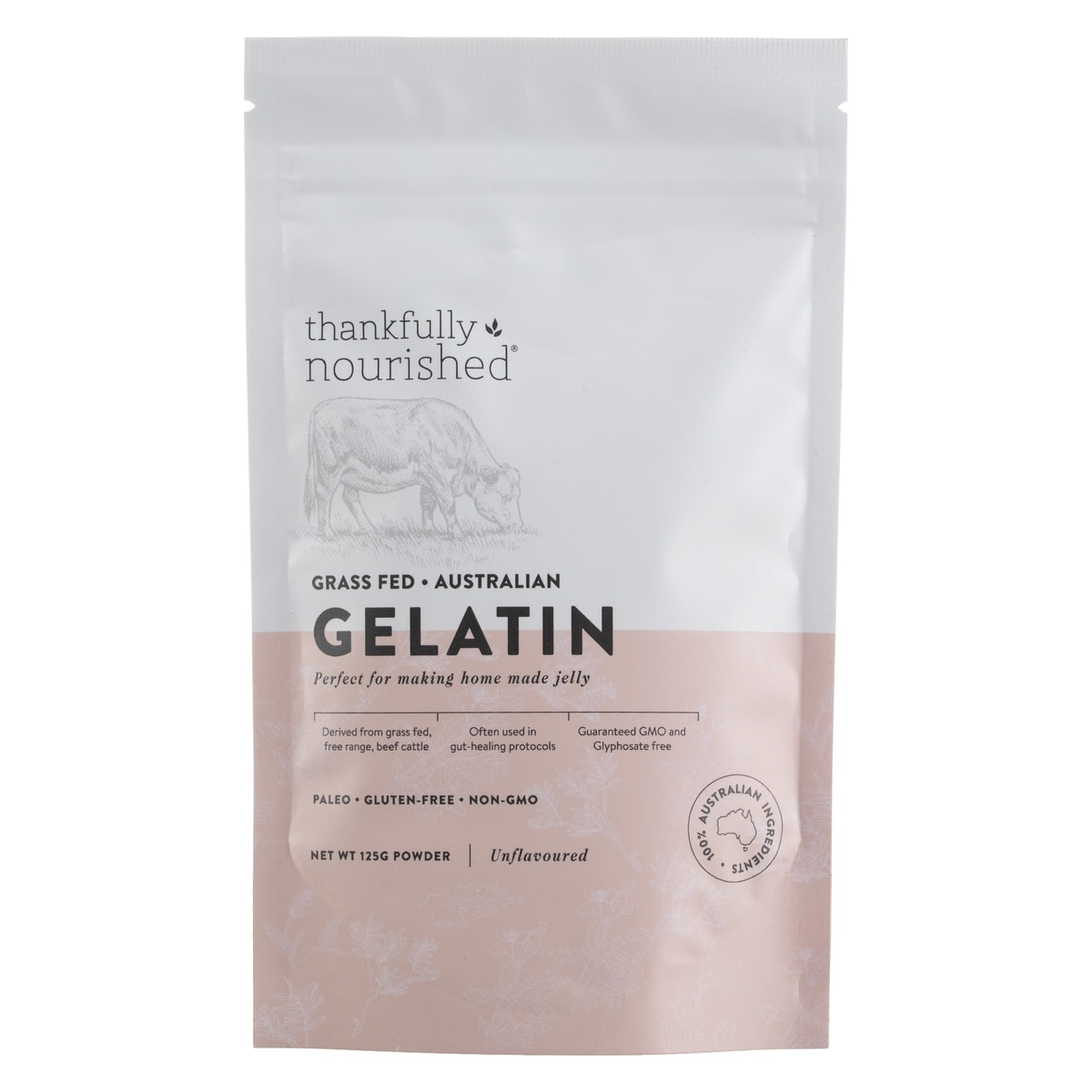
Gelatin is a protein-rich ingredient made from collagen, usually sourced from animal skin, bones and connective tissue. It is best known for its ability to thicken, set and gel foods such as jellies, gummies, desserts, marshmallows, broths and protein snacks.
California Gold Nutrition, Antarctic Krill Oil, Omega-3 Phospholipids… California Gold Nutrition California Gold Nutrition, Antarctic Krill Oil, Omega-3 Phospholipids Complex with Astaxanthin, Natural Strawberry and Lemon, 120 Fish Gelatin.. Check current details, price and availability at iHerb.
Quick take: iHerb makes it easy to browse supplements, protein, wellness products, and healthy pantry staples in one place. It’s a handy option for comparing ingredients, brands, and customer reviews before choosing what suits your goals.
Gelatin is closely related to collagen, but it is not exactly the same as collagen peptides. Gelatin dissolves best in hot liquid and forms a gel when cooled. Collagen peptides are more processed, usually dissolve more easily in hot or cold liquids, and do not normally create a firm gel.
Gelatin can be useful in cooking, baking, homemade gummies and protein-style recipes. However, it is important to keep health claims realistic. Gelatin is not a proven cure for joint pain, wrinkles, gut problems, arthritis, hair loss or sleep issues. It can contribute collagen-type amino acids, but it should not replace a balanced diet or medical care.
Affiliate disclosure: This article may contain merchant links. If you purchase through a link, we may earn a commission at no extra cost to you. Always check the product label, ingredients, allergens, serving size, intended use, shipping availability and import rules for your country before buying any supplement or food ingredient.
Quick Answer: What Is Gelatin?
Gelatin is a partially broken-down form of collagen. When collagen-rich animal parts are heated and processed, they can produce gelatin. In powder form, gelatin is usually used as a thickener, gelling agent or protein ingredient.
Skin, hair and nail supplement routines, though evidence is limited
Gelatin is animal-derived, so it is not suitable for vegans and usually not suitable for vegetarians. It may come from beef, pork, fish or other animal sources, depending on the product.
People use gelatin for two main reasons: food texture and collagen-style nutrition. In cooking, gelatin is useful because it can thicken liquids and create a set, jelly-like texture. In supplement-style routines, people use it because it provides amino acids found in collagen, including glycine, proline and hydroxyproline.
Common reasons people buy gelatin include:
Making homemade gummies or jelly desserts
Adding texture to recipes
Making protein-style snacks
Using it in keto or low-carb recipes
Adding collagen-type amino acids to the diet
Using it as a cooking ingredient instead of a standard protein powder
Making broths, sauces or desserts set more firmly
Gelatin can be useful, but it is not a complete protein replacement. Gelatin lacks the essential amino acid tryptophan, so it should not be used as your only protein source. For everyday protein needs, include a range of foods such as eggs, dairy, fish, meat, legumes, tofu, soy protein, whey protein, nuts, seeds or other suitable protein sources.
Gelatin vs Collagen Peptides
Feature
Gelatin
Collagen Peptides
Main Use
Cooking, gelling, thickening and gummies
Daily collagen-style supplement use in drinks and shakes
Texture
Forms a gel when cooled
Does not usually gel
Mixing
Best bloomed first and dissolved in hot liquid
Usually mixes more easily into hot or cold drinks
Best For
Jellies, gummies, marshmallows, desserts and recipes needing structure
Coffee, smoothies, shakes, soups and daily supplement routines
Protein Quality
Incomplete protein; not ideal as a sole protein source
Also collagen-derived and not a complete protein replacement
If you want a product for recipes that need to set, choose gelatin. If you want something to stir into coffee or smoothies without creating a jelly texture, collagen peptides may be more convenient.
Where to Buy Gelatin From Recommended Merchants
Using the previously recommended Skimlinks-friendly supplement merchants, the clearest gelatin options are from Nutricost and Myprotein. Dr. Kellyann is useful for collagen peptides, but collagen peptides are not the same as gelatin. Bulk appears to sell gelatin capsules as an accessory, but not a dedicated gelatin powder product from the pages checked.
Nutricost lists Beef Gelatin Powder as a pure gelatin product with no additives or preservatives. It is designed for people who want gelatin for recipes, protein-style use and general food preparation.
Best for: people looking for a plain beef gelatin powder from the approved merchant list.
Nutricost lists Grass-Fed Beef Gelatin Powder with 9g protein per serving and 45 servings per container. The product page says it can be mixed into drinks, smoothies or recipes for gelatin-style desserts, and lists GMO-free and gluten-free claims.
Best for: people wanting a grass-fed beef gelatin powder for recipes, desserts and collagen-style amino acids.
Nutricost Pantry Gelatin Powder is positioned as a thickening agent for baking, cooking, smoothies, jellies, marshmallows, gummies and other recipes. It is a practical option for people who want gelatin mainly as a kitchen ingredient.
Best for: people using gelatin for cooking, baking, gummies and desserts rather than capsules.
Recommended Merchant Option: Nutricost Gelatin with Silica
Nutricost lists Gelatin with Silica capsules with 2,200mg of grass-fed beef gelatin and 44mg silica per serving. This is a capsule option rather than a kitchen gelatin powder.
Best for: people who prefer capsules and want gelatin combined with silica.
Recommended Merchant Option: Myprotein Protein Gelatin Mix
Myprotein lists Protein Gelatin Mix as an easy-to-make protein snack with 5g protein per serving and zero fat and sugar. This is not plain gelatin powder for cooking, but it is a relevant gelatin-style protein snack option from the approved merchant list.
Best for: people who want a ready-style protein gelatin snack rather than plain unflavoured gelatin powder.
Related Option: Collagen Peptides Instead of Gelatin
If you want collagen-style amino acids but do not need a gelling ingredient, collagen peptides may be easier to use than gelatin. They usually mix into coffee, smoothies, soups and shakes without setting into jelly.
Related Merchant Option: Dr. Kellyann Collagen Peptides
Dr. Kellyann lists Collagen Peptides as an unflavoured hydrolysed collagen product with 10g grass-fed collagen and 9g protein per serving. This is not gelatin, but it is a related collagen peptide option for people who want a daily collagen-style powder rather than a gelling ingredient.
Best for: people who want collagen peptides for drinks rather than gelatin for recipes.
International delivery note: Delivery options, customs rules and supplement import restrictions vary by country. Before ordering, check the merchant’s checkout page, shipping availability, duties, taxes, ingredient restrictions and allergen information for your location.
How to Choose a Quality Gelatin Product
1. Check the Animal Source
Gelatin may come from beef, pork, fish or other animal sources. This matters for allergies, religious requirements, vegetarian diets, halal concerns, kosher concerns and personal preference. If the source is not clear, contact the merchant before buying.
2. Choose Powder or Capsules
Gelatin powder is best for recipes, gummies, desserts and cooking. Capsules are more convenient if you want a measured supplement-style serving, but they will not help with food texture.
3. Check Whether You Need Gelling or Easy Mixing
If you want a product that sets into jelly, choose gelatin. If you want something that dissolves easily into cold drinks without gelling, choose collagen peptides instead.
4. Check Protein Per Serving
Gelatin contributes protein, but it is not a complete protein. Compare grams of protein per serving, but do not use gelatin as your only protein source.
5. Look for Testing and Manufacturing Standards
For supplement-style gelatin products, look for quality claims such as GMP-compliant manufacturing, third-party testing, non-GMO, gluten-free or allergen information where relevant.
6. Avoid Overhyped Beauty Claims
Gelatin is often marketed for skin, hair, nails and joints. While it provides collagen-type amino acids, strong claims should be treated carefully. Good skin and joint health also depend on total protein intake, vitamin C, minerals, sun protection, strength training, sleep, medical conditions and ageing.
7. Check Added Ingredients
Plain gelatin powder should have a short ingredient list. Flavoured gelatin mixes may contain sweeteners, colours, flavours or other additives. Read the label, especially if you have sensitivities.
Who Should Be Careful With Gelatin?
Gelatin may not suit everyone. Speak with a healthcare professional or check carefully before using gelatin if you:
Have a beef, pork, fish or gelatin allergy
Have alpha-gal syndrome or reactions to mammalian meat products
Follow a vegan or vegetarian diet
Need halal or kosher certification
Have kidney disease or have been told to limit protein
Have digestive problems or difficulty swallowing
Are pregnant or breastfeeding
Are buying for a child or teenager
Take multiple supplements and want to avoid unnecessary overlap
Gelatin allergies are uncommon but can be serious. If you have reacted to gelatin-containing foods, capsules, vaccines or animal-derived products, avoid gelatin unless your healthcare professional says it is safe.
How to Use Gelatin
Always follow the product label. Gelatin behaves differently from ordinary protein powder, so the method matters.
Basic Gelatin Method
Sprinkle gelatin powder over cold liquid first.
Let it sit for a few minutes to bloom.
Add hot liquid and stir until dissolved.
Chill if you want it to set into jelly.
Do not add dry gelatin directly to a large amount of hot liquid without blooming unless the product directions say it is suitable. It may clump.
Simple Gelatin Gummy Idea
1 cup fruit juice or flavoured liquid
Gelatin powder according to product directions
Optional: lemon juice, berries or a small amount of honey
Bloom gelatin in a portion of cold liquid
Warm the remaining liquid, stir in bloomed gelatin, pour into moulds and chill
This can be a fun recipe, but it is still a snack. If you use fruit juice or sweeteners, the sugar content can add up.
Simple Protein Jelly Idea
Use a gelatin-style product or plain gelatin powder
Mix according to label directions
Add berries or yoghurt if suitable
Chill until set
For convenience, a product such as Myprotein Protein Gelatin Mix may be easier than making your own from plain gelatin powder.
Better if you want an easy-mixing collagen peptide powder rather than a gelling ingredient
Is Gelatin Good for Skin, Hair and Nails?
Gelatin provides collagen-type amino acids, which the body can use as protein building blocks. However, that does not mean gelatin automatically goes directly to your skin, hair or nails. During digestion, proteins are broken down into amino acids and peptides, which the body uses where needed.
If your goal is skin health, the foundations still matter most:
Enough total protein
Vitamin C-rich foods
Minerals such as zinc and iron where needed
Sun protection
Not smoking
Good sleep
Managing skin conditions properly
Gelatin can be part of a routine, but it should not be promoted as a guaranteed beauty treatment.
Is Gelatin Good for Joints?
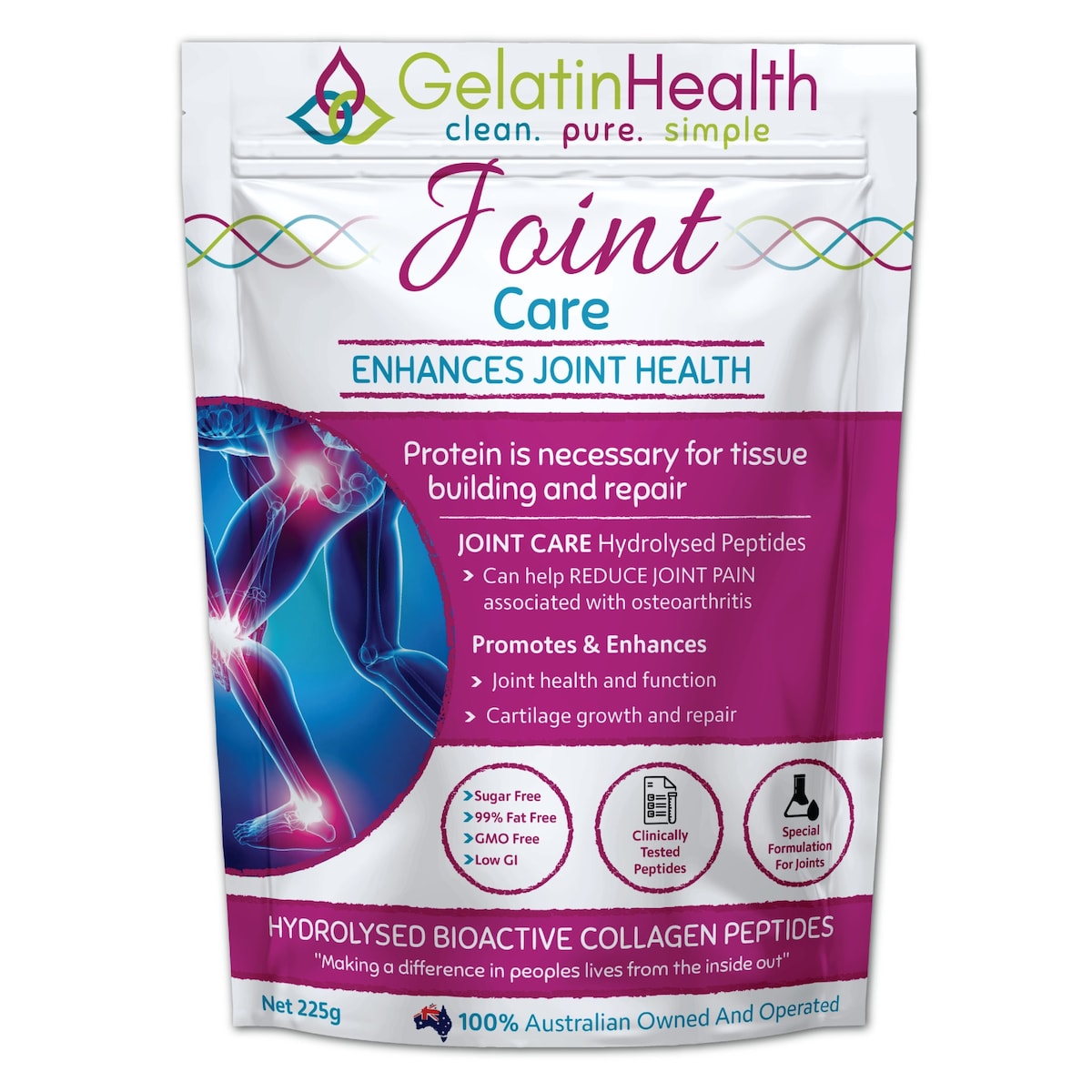
Gelatin is often discussed in relation to joints because collagen is found in cartilage, tendons and connective tissue. Some people use gelatin or collagen products as part of a joint-support routine, especially if they are active or older.
However, joint pain can come from many causes, including arthritis, injury, inflammation, biomechanics, weight, medication history and age. If you have persistent joint pain, swelling, stiffness or reduced mobility, seek proper medical advice.
Is Gelatin Good for Gut Health?
Gelatin is sometimes promoted for gut lining and digestion, but strong human evidence is limited. It may be easy to digest for some people and can be useful in recipes, but gut health usually depends more on fibre intake, plant-food variety, hydration, sleep, stress management, fermented foods where tolerated, and medical care for ongoing symptoms.
If you have chronic diarrhoea, constipation, reflux, abdominal pain, bleeding, unexplained weight loss or major changes in bowel habits, do not rely on gelatin. Get medical advice.
Is Gelatin Vegan?
No. Gelatin is animal-derived. It is usually made from collagen from cows, pigs, fish or other animal sources. It is not suitable for vegans and is usually not suitable for vegetarians.
Vegan alternatives for gelling and thickening include:
Agar agar
Pectin
Carrageenan
Cornstarch
Tapioca starch
Arrowroot
These alternatives behave differently from gelatin, so recipe adjustments are usually needed.
Gelatin FAQs
What is gelatin?
Gelatin is a protein-rich ingredient made from collagen, usually sourced from animal skin, bones and connective tissue. It is commonly used to thicken, set and gel foods.
Is gelatin the same as collagen?
No. Gelatin comes from collagen, but it behaves differently. Gelatin forms a gel when cooled, while collagen peptides usually dissolve more easily and do not create a firm jelly texture.
What is gelatin used for?
Gelatin is used for jellies, gummies, marshmallows, desserts, thickening, baking, broths, protein snacks and some supplement capsules.
Is gelatin a good protein source?
Gelatin contains protein, but it is not a complete protein because it lacks tryptophan. It should not be used as your only protein source.
Is gelatin good for joints?
Gelatin provides collagen-type amino acids, but it is not a proven joint-pain treatment. Joint health depends on many factors, including exercise, weight, inflammation, injury history, age and medical care.
Is gelatin good for skin?
Gelatin may contribute amino acids used by the body, but there is limited evidence that eating gelatin directly improves skin. Skin health also depends on sun protection, nutrition, sleep, hydration and overall health.
Is gelatin vegan?
No. Gelatin is animal-derived and is not suitable for vegans. Vegan gelling alternatives include agar agar, pectin and some starches.
Can gelatin cause allergies?
Yes, gelatin allergy is possible, although uncommon. People with beef, pork, fish, alpha-gal or gelatin-related reactions should be cautious and check the animal source before using gelatin.
Can I use gelatin in cold drinks?
Gelatin usually needs to be bloomed in cold liquid and then dissolved with heat. If you want something that mixes easily into cold drinks, collagen peptides may be a better choice.
Where can I buy gelatin from the recommended merchants?
Gelatin is worth considering if you want a practical kitchen ingredient for gummies, jellies, desserts, marshmallows, thickening or recipes that need a firm set. It may also be useful if you want collagen-type amino acids in a food-style format.
Bottom line: gelatin is useful, but mainly as a gelling ingredient and collagen-derived protein source. It is not vegan, not a complete protein, and not a guaranteed solution for skin, joints, gut health or ageing.
Health disclaimer: This article is for general information only and is not medical advice. Gelatin and collagen-derived products are not medicines and are not intended to diagnose, treat, cure or prevent disease. Speak with a healthcare professional before using gelatin supplements if you have allergies, kidney disease, digestive problems, take medication, are pregnant or breastfeeding, or are buying for a child.
Quick take: iHerb makes it easy to browse supplements, protein, wellness products, and healthy pantry staples in one place. It’s a handy option for comparing ingredients, brands, and customer reviews before choosing what suits your goals.
Quick take: iHerb makes it easy to browse supplements, protein, wellness products, and healthy pantry staples in one place. It’s a handy option for comparing ingredients, brands, and customer reviews before choosing what suits your goals.