Heart health is about much more than avoiding one single disease. It includes protecting the heart and blood vessels, lowering the risk of heart attack and stroke, and managing the everyday habits and medical conditions that shape long-term cardiovascular risk.
The encouraging part is that a lot of heart disease is preventable. Official health guidance consistently points to the same core pillars: healthy blood pressure, healthy cholesterol, regular physical activity, a heart-healthy eating pattern, healthy weight, good sleep, not smoking, and managing diabetes and other risk factors.
If you want to support your heart, the biggest gains usually do not come from exotic supplements. They come from getting the fundamentals right and treating high-risk conditions early.
Heart health means lowering the risk of cardiovascular problems such as coronary heart disease, heart attack, stroke, heart failure, and damage to the blood vessels. In practical terms, it means taking steps that protect circulation, reduce strain on the heart, and reduce the factors that drive plaque buildup and vascular damage.
It also means understanding your personal risk. Family history, age, sex, blood pressure, cholesterol, smoking, diabetes, weight, and sleep all matter. Even when genetics play a role, lifestyle and medical management can still make a major difference.
The Biggest Risk Factors
Official guidance consistently identifies the same major cardiovascular risk factors: high blood pressure, unhealthy cholesterol levels, diabetes, smoking, overweight or obesity, physical inactivity, poor diet, and inadequate sleep.
These factors tend to cluster. For example, excess weight often overlaps with high blood pressure, insulin resistance, and abnormal blood lipids. That is why improving one area often helps several others at the same time.
Food and Eating Patterns
A heart-healthy diet does not have to be extreme. The broad pattern is what matters most: more vegetables, fruits, whole grains, beans, nuts, fish, and healthier oils, with less saturated fat, sodium, and added sugar.
NHLBI specifically highlights the DASH eating pattern as a heart-healthy approach because it emphasizes vegetables, fruits, whole grains, beans, nuts, vegetable oils, and low-fat dairy while limiting sodium, saturated fat, and sweets. This kind of eating pattern can help lower both blood pressure and cholesterol.
In practice, the most useful shift is often not a “perfect” diet but a more consistent one: more minimally processed foods, fewer ultra-processed foods, and better portion control over time.
Blood Pressure, Sodium, and Potassium
Blood pressure control is one of the most important parts of heart protection. High blood pressure increases the workload on the heart and damages blood vessels over time.
Reducing sodium can help, and getting enough potassium from food can also help reduce some of sodium’s effects on blood pressure. Potassium-rich foods include vegetables, legumes, fruit, dairy, fish, and other whole foods. But potassium supplements should not be taken casually because high potassium can be dangerous in people with kidney disease or certain medications.
Cholesterol, Blood Sugar, and Weight
High LDL cholesterol and poorly controlled blood sugar both raise cardiovascular risk. Managing them early matters because heart disease often develops quietly over many years.
Weight also matters, but not because of appearance. Excess weight is linked with higher blood pressure, worse blood lipids, and greater diabetes risk. Even modest weight loss can improve several heart-risk markers at once.
If you already have diabetes, prediabetes, high cholesterol, or high blood pressure, lifestyle still matters, but medication may also be part of the safest plan. Heart health is not an “either lifestyle or medicine” issue when risk is high.
Exercise and Daily Movement
Regular physical activity helps strengthen the heart, improve circulation, support blood pressure and cholesterol, and make weight management easier. Official guidance is clear that movement is one of the most powerful heart-health tools most people have.
You do not need to become an endurance athlete for activity to help. Consistent walking, resistance training, cycling, swimming, or other moderate exercise can all support heart health. The key is regularity.
Sleep, Stress, and Smoking
Sleep has become a bigger focus in cardiovascular prevention because poor sleep affects blood pressure, blood sugar, weight, and overall recovery. The American Heart Association includes healthy sleep duration in its heart-health framework for exactly this reason.
Smoking remains one of the most damaging heart-health habits. Quitting smoking is one of the fastest ways to lower cardiovascular risk. Stress also matters, although usually less because stress alone “causes heart disease” and more because it can worsen sleep, eating patterns, alcohol use, inactivity, and blood pressure control.
Supplements and Heart Health
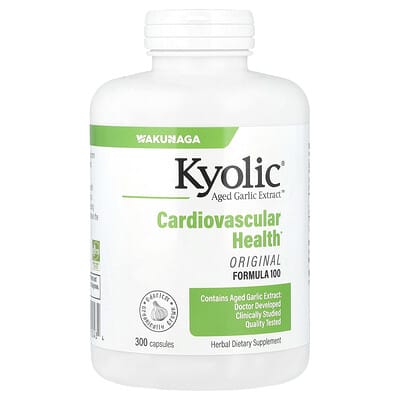
This is where many people get sidetracked. Supplements can sound appealing, but they are not the foundation of heart health. NIH’s Office of Dietary Supplements notes that omega-3 fatty acids from fish oils might help some people with heart disease, but that is very different from saying heart supplements broadly replace diet, exercise, or prescribed treatment.
For most people, the basics are still more important than supplement stacks. If a supplement is worth considering, it should be discussed in the context of your actual risk factors, diet, medications, and medical history.
When to See a Doctor
Do not wait for a major event to think about heart health. It is worth seeing a doctor if you have high blood pressure, high cholesterol, diabetes, chest discomfort, palpitations, unexplained shortness of breath, poor exercise tolerance, swelling, or a strong family history of early heart disease.
It is also a good idea to get checked if you are using supplements to self-manage blood pressure, cholesterol, or other cardiovascular issues instead of getting proper assessment. Heart disease often develops silently, and screening matters.
Frequently Asked Questions
What is the best thing you can do for heart health?
The biggest evidence-based steps are controlling blood pressure, not smoking, staying active, eating a heart-healthy diet, sleeping well, and managing cholesterol, diabetes, and weight.
What foods support heart health?
Vegetables, fruits, whole grains, beans, nuts, fish, healthier oils, and low-fat dairy are all part of heart-healthy eating patterns such as DASH.
Does potassium help the heart?
Potassium from food helps support normal muscle and nerve function and can help reduce some of sodium’s effect on blood pressure, but supplements should not be used casually.
Can supplements replace diet and exercise for heart health?
No. Supplements are not the foundation of heart health. The most important benefits still come from lifestyle habits and proper management of risk factors.
How much exercise is good for the heart?
Regular movement matters more than perfection. Walking and other consistent moderate activity can meaningfully support cardiovascular health.
Is sleep important for heart health?
Yes. Poor sleep affects blood pressure, weight, blood sugar, and overall cardiovascular risk, which is why sleep is now included in major heart-health frameworks.
Disclaimer
This article is for general information only and is not medical advice. Heart disease risk depends on many factors, including blood pressure, cholesterol, diabetes, smoking, family history, and kidney function. Do not use supplements or internet advice as a substitute for medical care if you have chest pain, shortness of breath, palpitations, dizziness, swelling, or known cardiovascular disease. Always speak with your doctor or pharmacist before starting a supplement for blood pressure, cholesterol, circulation, or heart support, especially if you take regular prescription medication.
Final word: Heart health is built mainly through the basics: blood pressure control, food quality, movement, sleep, not smoking, and early management of cholesterol and diabetes. The most effective plan is usually simpler than the supplement industry makes it sound.
Most popular sponsored products
Hair, Skin & Nails Gummies - Double-Layered Heart Edition Myvitamins Browse Hair, Skin & Nails Gummies - Double-Layered Heart Edition at Myprotein; compare the current range, variants, pricing and availability on the merchant page.
Vitamins, Minerals & Dietary Supplements for Health & Wellness | Health Supplements Offer now available for the Vitamins, Minerals & Dietary Supplements for Health & Wellness | Health Supplements. On sale with world wide delivery. Shop premium vitamins, minerals & dietary supplements for immunity, energy, digestion and overall wellness. Buy trusted health supplements online in Australia.. Browse our extensive range of products.…
Michael's Health, Fat Metabolism Factors™, 90 Vegetarian Tablets Offer now available for the Michael's Health, Fat Metabolism Factors™, 90 Vegetarian Tablets. On sale with world wide delivery. Michael's Health Naturopathic Programmes Since 1984 lecithin Guggul Gum Iodine and More... Food Supplement Certified Kosher Pareve ChromeMate® Family-run and Operated Fat Metabolism Factors™ Ideal for weight management Nutrients for metabolism…
Metagenics, CandiBactin-AR®, Gut Health, 120 Capsules Offer now available for the Metagenics, CandiBactin-AR®, Gut Health, 120 Capsules. On sale with world wide delivery. Practitioner Recommended Crafted With Plant-Based Ingredients Scientifically Designed Supports Gut and Respiratory Health Food Supplement Certified gluten-free Certified B Corporation CandiBactin-AR® features concentrated aromatic essential oils and herbal extracts for gut and respiratory…
Cabot Health Livatone Plus Turmeric Liver & Digestive Support 240 | Healthylife Cabot Health Offer now available for the Cabot Health Livatone Plus Turmeric Liver & Digestive Support 240 | Healthylife. On sale with world wide delivery. Cabot Health Livatone Plus, supports optimal digestive and gallbladder function. The formula could assist the liver in repairing and regenerating itself.. Browse our extensive range of products.…
Quick take: iHerb makes it easy to browse supplements, protein, wellness products, and healthy pantry staples in one place. It’s a handy option for comparing ingredients, brands, and customer reviews before choosing what suits your goals.
Quick take: iHerb makes it easy to browse supplements, protein, wellness products, and healthy pantry staples in one place. It’s a handy option for comparing ingredients, brands, and customer reviews before choosing what suits your goals.