Joint pain can affect daily comfort, mobility, and quality of life. It may stem from osteoarthritis, rheumatoid arthritis, overuse, past injuries, or inflammation linked to other health conditions. While supplements are not a cure, some herbs and nutrients are often used to support joint comfort and reduce stiffness when inflammation is part of the picture.
If you are looking for natural ways to support your joints, it helps to keep expectations realistic. Some ingredients show promise in research, but results vary between individuals, and supplements work best as part of a broader plan that may include exercise, weight management, physical therapy, medical treatment, and an anti-inflammatory eating pattern.
Blackmores Concentrated Curcumin + Pain Relief Blackmores Blackmores Concentrated Curcumin + Pain Relief. Available from Health Supplements Australia; check current product details, price and availability before ordering.
Quick take: iHerb makes it easy to browse supplements, protein, wellness products, and healthy pantry staples in one place. It’s a handy option for comparing ingredients, brands, and customer reviews before choosing what suits your goals.
Joint pain is not one single condition. In some people, the main issue is wear and tear in the cartilage and surrounding tissues. In others, the immune system drives inflammation, as seen in rheumatoid arthritis. Joint pain can also show up after repetitive strain, poor biomechanics, muscle weakness, or long periods of inactivity.
Because there are different causes, there is no single supplement that suits everyone. The best approach is to match your strategy to the likely cause of the pain and to get medical advice if symptoms are persistent, severe, or worsening.
Turmeric for Joint Pain
Turmeric, also known as Curcuma longa, is one of the best-known herbs for inflammatory joint discomfort. Its main active compound, curcumin, has been widely studied for its anti-inflammatory effects.
Turmeric supplements are often used by people with osteoarthritis who want a natural option to support comfort and stiffness. Some studies suggest turmeric or curcumin may help certain people, but the overall evidence is still mixed, and benefit is not guaranteed.
Turmeric products vary widely. Some contain standard turmeric powder, while others use enhanced curcumin formulas designed to improve absorption. This matters because curcumin is naturally absorbed poorly by the body.
Why people use turmeric
To support joint comfort
To help manage stiffness linked to inflammation
As part of a broader anti-inflammatory routine
Points to keep in mind
Results may take time and can vary from person to person
Some turmeric products can cause stomach upset
Enhanced formulas may interact with medicines and are not suitable for everyone
Boswellia Serrata for Mobility and Inflammation
Boswellia serrata, often called frankincense, is another herbal ingredient commonly used for joint support. It has traditionally been used in herbal medicine and is often included in formulas aimed at mobility and inflammation.
Boswellia is thought to work by influencing inflammatory pathways in the body. Some research suggests it may provide modest help for pain and function in osteoarthritis, but the evidence is not strong enough to treat it as a guaranteed solution.
Why boswellia is popular
It is often used to support daily mobility
It may help people looking for a non-drug joint support option
It is commonly combined with turmeric in joint formulas
What to watch for
Quality can vary between brands
It may not be suitable alongside certain medications
It should be used cautiously if you have a medical condition or take prescription medicine
Omega-3 Fatty Acids for Joint Support
Omega-3 fatty acids from fish oil or algal oil are well known for their role in inflammation balance. The two most discussed omega-3s are EPA and DHA.
For people with rheumatoid arthritis, omega-3 supplements may be useful as part of an overall treatment plan. Some studies suggest they may help reduce the need for pain-relief medication in some people. They are not a replacement for proper treatment, but they may be a useful addition for selected individuals.
Fish oil is the common supplement source, while algal oil is a plant-based option that can suit vegetarians and vegans.
Potential benefits of omega-3s
Support for inflammatory balance
Possible help with joint stiffness in some people
Useful for people who do not eat much oily fish
Things to remember
High doses are not appropriate for everyone
Omega-3 supplements can interact with blood-thinning medicines
Consistency matters more than expecting instant results
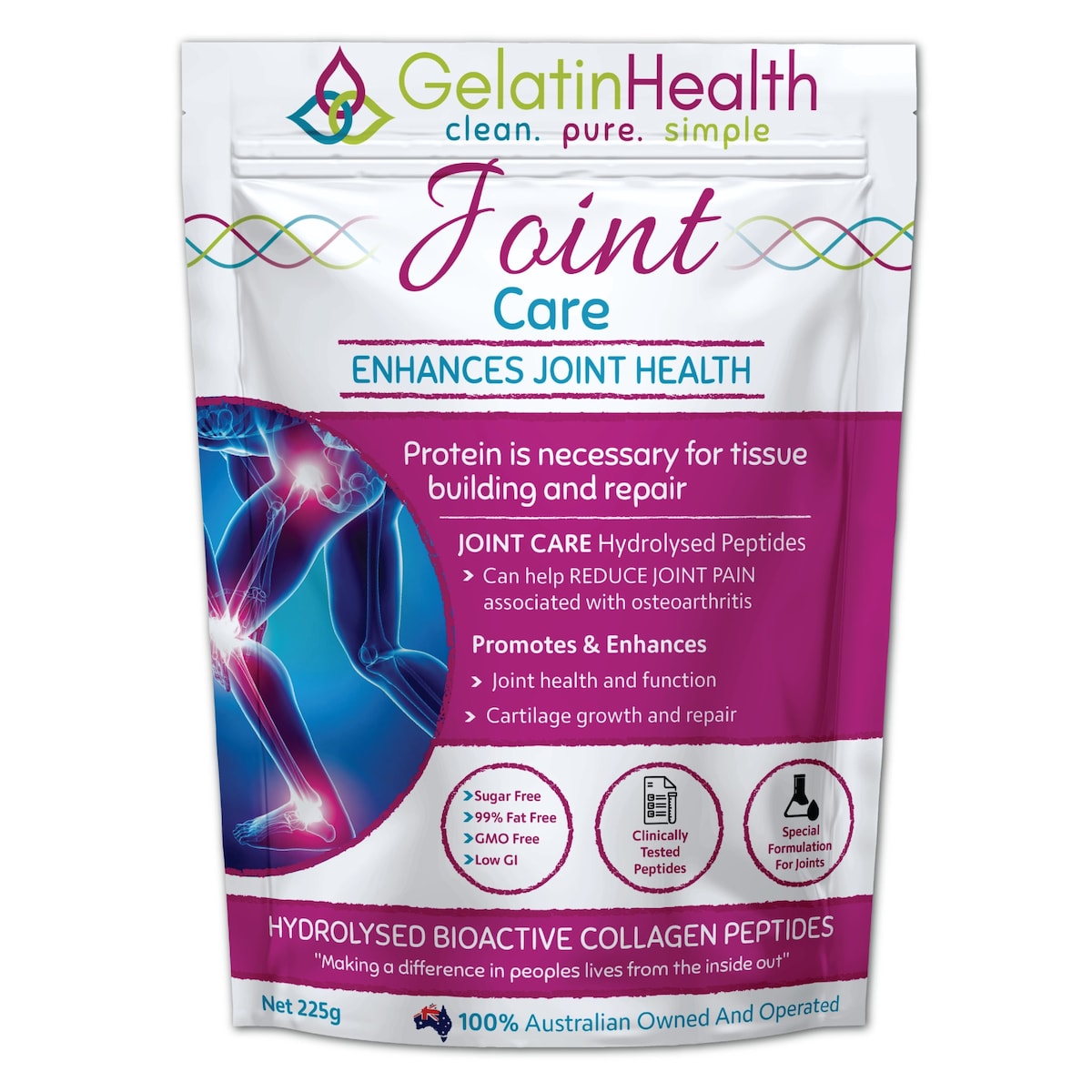
Collagen and Vitamin C for Joint Structure
Collagen is a structural protein found in cartilage, tendons, ligaments, and other connective tissues. Vitamin C is needed for the body to make collagen properly.
That is why collagen supplements and vitamin C are often discussed together. The idea is simple: collagen provides building material, while vitamin C supports collagen formation. This makes them appealing for people wanting to support joint integrity, recovery, and connective tissue health.
Even so, collagen supplements should be viewed as supportive rather than curative. They may fit into a broader joint health routine, but they do not reverse arthritis, and results may be gradual.
Why this combination is popular
Collagen is linked to connective tissue support
Vitamin C is essential for collagen production
They are often used by active people and older adults focused on joint maintenance
Practical note
A nutrient-rich diet still matters. Protein intake, fruit and vegetables, exercise, and muscle strength all play a role in supporting joints over time.
How to Choose Joint Support Supplements
Not all supplements are created equal. When comparing products, look for clear labeling, sensible serving sizes, and brands that provide transparent ingredient information. Avoid being swayed by exaggerated promises or miracle claims.
It is also smart to introduce one product at a time. That way, if you notice a benefit or a side effect, it is easier to work out what is helping and what is not.
Simple checklist before buying
Check the active ingredients and serving size
Look for allergen information
Read the directions carefully
Consider possible medicine interactions
Choose realistic claims over hype
When to See a Doctor
Joint pain should not always be self-managed with supplements alone. Seek medical advice if you have swollen joints, warmth or redness, severe pain, pain that wakes you at night, symptoms lasting more than a few weeks, or reduced movement that interferes with daily life.
It is also important to get checked if you have unexplained fatigue, fever, sudden weakness, or pain after an injury. These signs may point to a condition that needs proper diagnosis and treatment.
Frequently Asked Questions
Can turmeric really help joint pain?
Turmeric may help some people with inflammatory joint discomfort, particularly in osteoarthritis, but the evidence is mixed and it is not a cure.
Is boswellia good for arthritis?
Boswellia may offer modest support for pain and function in some people with osteoarthritis, but results vary and the evidence is not strong enough to guarantee benefit.
Are omega-3 supplements useful for joint stiffness?
They may help some people, especially those with rheumatoid arthritis as part of a broader treatment plan, but they are not a replacement for medical care.
Do collagen supplements rebuild cartilage?
Collagen supplements are marketed for joint support, but they should be seen as supportive products rather than a proven way to rebuild damaged cartilage.
Why is vitamin C included in joint formulas?
Vitamin C is essential for collagen production, which is one reason it is often paired with collagen in joint support products.
Can I take several joint supplements together?
Some people do, but combining multiple products increases the chance of side effects or interactions. It is best to speak with a doctor or pharmacist first.
Disclaimer
This article is for general information only and is not medical advice. Joint pain can have many causes, including osteoarthritis, rheumatoid arthritis, injury, gout, infection, and other medical conditions. Herbs and supplements may not be suitable for everyone and can interact with medicines. Turmeric may cause stomach upset, some concentrated curcumin products have been linked to liver injury, omega-3 supplements may increase bleeding risk in some people, and high doses of vitamin C may cause digestive upset or raise kidney stone risk in susceptible individuals. Always speak with your doctor, specialist, or pharmacist before starting a new supplement, especially if you take prescription medicines, have a medical condition, are pregnant, or are preparing for surgery.
Final word: Joint support supplements can be a useful part of a broader wellness plan, but they work best when paired with the basics: good medical care, regular movement, strength training, healthy body weight, sleep, and an anti-inflammatory diet.
Most popular sponsored products
Blackmores Concentrated Curcumin + Pain Relief Blackmores Blackmores Concentrated Curcumin + Pain Relief. Available from Health Supplements Australia; check current product details, price and availability before ordering.
Herbs of Gold Pain Relief PEA Forte 42 Capsules | Healthylife Herbs of Gold Herbs of Gold Pain Relief PEA Forte 42 Capsules. Capsule supplement (42 Capsules) Available from Healthylife; check current product details, price and availability before ordering.
Quick take: iHerb makes it easy to browse supplements, protein, wellness products, and healthy pantry staples in one place. It’s a handy option for comparing ingredients, brands, and customer reviews before choosing what suits your goals.
Quick take: iHerb makes it easy to browse supplements, protein, wellness products, and healthy pantry staples in one place. It’s a handy option for comparing ingredients, brands, and customer reviews before choosing what suits your goals.