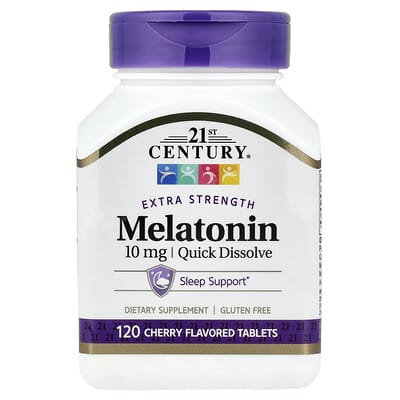
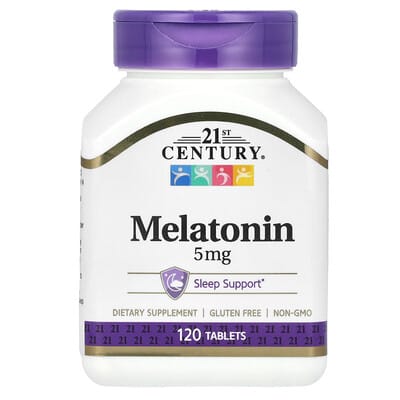
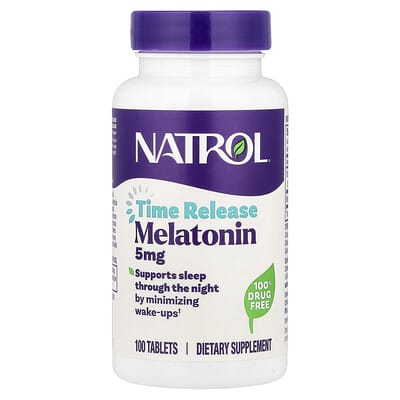
Melatonin is one of the most widely used sleep supplements in the world. It is commonly promoted for insomnia, jet lag, shift work, circadian rhythm problems, and general sleep support.
Some of that popularity has a real scientific basis. Melatonin is a hormone your body naturally produces and it helps regulate your sleep-wake cycle. But it is also easy to over-market. Melatonin is not a guaranteed fix for every sleep problem, and it should not be treated as a substitute for sleep habits, insomnia treatment, or medical evaluation when sleep issues are persistent.
If you are thinking about using melatonin, the smartest approach is to understand where the evidence is strongest, where it is weaker, and why product quality and timing matter.
Melatonin is a hormone your body makes naturally. It helps regulate the sleep-wake cycle, and levels normally rise in the evening when it gets dark and fall again when light returns.
Supplements contain lab-made melatonin and are usually sold as tablets, capsules, gummies, liquids, or combination sleep formulas. Because melatonin works through circadian timing, when you take it can matter as much as whether you take it.
Why People Use Melatonin
People usually use melatonin for one or more of these reasons:
to help fall asleep more easily
to help after crossing time zones
to try to reset a delayed sleep schedule
to use a nonprescription sleep aid
to support sleep when their body clock feels off
These are common reasons, but melatonin is not equally effective for all sleep problems.
What the Evidence Says for Sleep
Melatonin is often taken for insomnia, especially trouble falling asleep. Official guidance is more cautious than many ads. NHLBI says many people take melatonin supplements to improve sleep, but research has not proven that melatonin is an effective treatment for insomnia.
That said, the evidence is not completely negative either. Melatonin may be more useful for certain sleep-onset or circadian-timing problems than for broad, chronic insomnia in general. This is why it often seems helpful for some people but underwhelming for others.
Melatonin and Jet Lag
Jet lag is one area where melatonin has a more plausible and somewhat better-supported role. NHLBI’s healthy sleep guide says some studies find that taking melatonin before bedtime for several days after arriving in a new time zone can make it easier to fall asleep at the proper time, although other studies have not found it helpful.
The fairest summary is that melatonin may help some jet lag situations, but it is not a guaranteed solution for everyone.
Circadian Rhythm and Timing
Melatonin makes the most sense when the body clock itself is part of the problem. Because melatonin is involved in regulating the timing of sleep, it is often discussed for delayed sleep schedules and other circadian rhythm issues.
This is one reason simply taking more melatonin is not always the answer. Timing and the kind of sleep problem matter. A supplement that may help when your sleep timing is off will not necessarily solve every form of poor sleep.
What Melatonin Does Not Prove
Melatonin is often treated like a general-purpose nighttime fix. That is too broad. It has not been proven as a clear answer for chronic insomnia overall, and it does not replace sleep hygiene, cognitive behavioral treatment for insomnia, or evaluation for sleep apnea, anxiety, depression, medication effects, or chronic pain.
It is also not a reason to ignore the basics. If late caffeine, stress, screens, irregular bedtime, alcohol, or untreated sleep disorders are the main problem, melatonin is unlikely to solve the whole issue.
Product Quality and Dosing
One practical issue with melatonin is product quality. NHLBI notes that melatonin supplements are not regulated like medicines in the United States, so dose and purity can vary between brands.
That means one melatonin product may not behave the same way as another. It is one reason people sometimes report very different experiences even at similar label doses.
Side Effects and Safety
Melatonin is often treated as harmless, but it can still cause side effects. NHLBI lists daytime sleepiness, headache, upset stomach, and worsening depression among possible side effects. It also notes that melatonin can affect your body’s control of blood pressure, causing high or low blood pressure.
Short-term use appears more studied than long-term routine use. As with many supplements, “available over the counter” does not mean “ideal for everyone” or “safe without thinking about interactions.”
Who Should Be Cautious
If you have ongoing sleep problems, major daytime sleepiness, loud snoring, depression, blood pressure problems, or take regular prescription medicine, it is worth checking with a clinician before using melatonin as a routine habit.
It is also sensible to get advice if you are pregnant, breastfeeding, or considering melatonin for a child, because the most appropriate use depends on the situation and should not be guessed from supplement marketing alone.
Frequently Asked Questions
What is melatonin used for?
Melatonin is mainly used for sleep support, especially when sleep timing or jet lag may be part of the problem.
Does melatonin work for insomnia?
Official guidance says research has not proven melatonin to be an effective general treatment for insomnia, though it may help some people in specific sleep-onset or circadian situations.
Can melatonin help jet lag?
It may help some people fall asleep at the proper time after crossing time zones, but results are mixed and it is not guaranteed to work for everyone.
Is melatonin safe?
It is commonly used and often tolerated, but side effects such as daytime sleepiness, headache, upset stomach, mood changes, and blood pressure effects can occur.
Why do people react differently to melatonin?
One reason is that dose and purity can vary between brands, and another is that melatonin tends to work best for some sleep problems and not others.
Should I take melatonin every night?
Not automatically. If sleep problems are ongoing, it is better to look at the cause rather than rely on a supplement indefinitely.
Disclaimer
This article is for general information only and is not medical advice. Melatonin is a hormone and dietary supplement, not a proven cure for chronic insomnia. Side effects can include daytime sleepiness, headache, upset stomach, mood changes, and blood pressure effects. Product dose and purity can also vary between brands. Always speak with your doctor or pharmacist before starting melatonin if you take regular medication, have depression, blood pressure problems, major daytime sleepiness, snoring, or persistent sleep problems that are affecting daily life.
Final word: Melatonin is best understood as a circadian-timing and sleep-onset supplement with selected uses, not as a universal answer for insomnia. It can help in the right context, but the overall quality of your sleep routine and the actual cause of your sleep problem still matter most.
Life Extension, Melatonin, 1 mg, 60 Capsules Life Extension Life Extension, Melatonin, 1 mg, 60 Capsules. Includes 60 Capsules, 1 mg. Check current details, price and availability at iHerb.
Quick take: iHerb makes it easy to browse supplements, protein, wellness products, and healthy pantry staples in one place. It’s a handy option for comparing ingredients, brands, and customer reviews before choosing what suits your goals.
Quick take: iHerb makes it easy to browse supplements, protein, wellness products, and healthy pantry staples in one place. It’s a handy option for comparing ingredients, brands, and customer reviews before choosing what suits your goals.