Quercetin: Benefits for Inflammation, Allergies and Healthy Ageing
Quercetin is a flavonoid present in onions, apples, berries and many other plant foods. It is widely promoted for antioxidant effects, allergies, inflammation and healthy ageing.
Healthy ageing is best supported by nutrition, physical activity and evidence-based healthcare.
What Is It and How Does It Work?
Laboratory experiments show quercetin can affect inflammatory signalling and mast-cell activity. Human responses depend on absorption, dose and the condition being studied.
What Does the Human Research Actually Show?
Human trials for allergy symptoms are limited and inconsistent. Some small studies have examined blood pressure or inflammatory markers, but quercetin is not an established treatment for allergic rhinitis, arthritis or cardiovascular disease. Claims that it clears senescent cells in humans remain unproven.
Potential Benefits and Important Limitations
Common component of plant-rich diets
Interesting early research on inflammatory pathways
Not a proven allergy medicine or anti-ageing treatment
Safety, Side Effects and Medication Interactions
High-dose products may cause headaches or digestive upset and can interact with medications. Kidney safety at high doses or prolonged use is uncertain.
Food and Lifestyle Alternatives
Onions, apples, capers and berries are practical dietary sources, alongside the fibre and other beneficial compounds they contain.
Practical Tips Before Buying a Supplement
Decide which specific health outcome you want to improve and whether the product has evidence for that outcome.
Check the ingredient amount, product quality and whether independent testing is available.
Ask your GP or pharmacist about interactions, especially if you take prescription medication.
Avoid combining several products with overlapping ingredients or high doses.
Assess whether a nutritious diet, exercise, sleep or appropriate medical care would be more effective.
Frequently Asked Questions
Is quercetin a natural antihistamine?
Laboratory findings are interesting, but clinical evidence is insufficient to treat it as a replacement for allergy medication.
Does quercetin reduce inflammation?
Some markers have been studied, but meaningful clinical benefits remain uncertain.
Does it slow ageing?
No human trial has established that quercetin slows ageing.
Explore Related Supplements
Supplements are optional and should be selected for a specific need, not because a product promises to reverse ageing.
Affiliate disclosure: OntoFitness.com may earn a commission from qualifying purchases. Affiliate tracking and merchant eligibility must be confirmed on the website.
Final Thoughts
The most reliable foundations of healthy ageing remain regular physical activity, adequate sleep, a varied diet, cardiovascular risk management and appropriate healthcare. Supplement research is evolving, but promising mechanisms and small studies are not proof of longer life.
Medical disclaimer: This article is general educational information, not personal medical advice. Consult a qualified healthcare professional before starting supplements, particularly if you have a medical condition, are pregnant or take medication.
Most popular sponsored products
Hydra Longevity Healthy Ageing Powder Offer now available for the Hydra Longevity Healthy Ageing Powder. On sale with world wide delivery. Buy Hydra Longevity Healthy Ageing Powder at Best Prices from HealthSupplements.com.au. Browse our extensive range of Hydra Longevity products. Found on the safe and secure website healthsupplements.com.au.
Henry Blooms Liposomal Quercetin Sublingual Offer now available for the Henry Blooms Liposomal Quercetin Sublingual. On sale with world wide delivery. Buy Henry Blooms Liposomal Quercetin Sublingual at Best Prices from HealthSupplements.com.au. Browse our extensive range of Henry Blooms products. Found on the safe and secure website healthsupplements.com.au.
Carusos Quercetin 500mg 60 Tablets | Healthylife Carusos Carusos Quercetin 500mg 60 Tablets. Tablet supplement (500mg, 60 Tablets) Available from Healthylife; check current product details, price and availability before ordering.
Herbs of Gold Quercetin Complex 60 Tablets | Healthylife Herbs of Gold Herbs of Gold Quercetin Complex 60 Tablets. Tablet supplement (60 Tablets) Available from Healthylife; check current product details, price and availability before ordering.
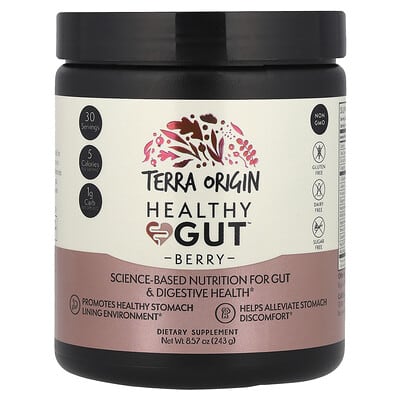
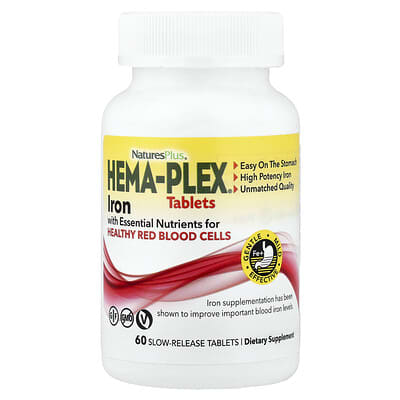
Quick take: iHerb makes it easy to browse supplements, protein, wellness products, and healthy pantry staples in one place. It’s a handy option for comparing ingredients, brands, and customer reviews before choosing what suits your goals.
Quick take: iHerb makes it easy to browse supplements, protein, wellness products, and healthy pantry staples in one place. It’s a handy option for comparing ingredients, brands, and customer reviews before choosing what suits your goals.