The common cold is a viral infection of the upper respiratory tract, usually affecting the nose and throat. It spreads easily from person to person and is one of the most common illnesses people get each year. While there is no cure for a cold, some natural products may offer limited support for symptom relief or recovery in certain situations.
That said, it is worth keeping expectations realistic. Many supplements are heavily marketed during cold and flu season, but the evidence behind them varies. Some may help a little, some may not help much at all, and some work best only when used in a specific way.
Quick take: iHerb makes it easy to browse supplements, protein, wellness products, and healthy pantry staples in one place. It’s a handy option for comparing ingredients, brands, and customer reviews before choosing what suits your goals.
The common cold is usually mild, but it can still leave you feeling miserable. More than 200 viruses can cause colds, with rhinoviruses being the most common. These viruses are highly contagious and can spread through the air, close personal contact, and contaminated surfaces that are then touched before touching the eyes, nose, or mouth.
Typical symptoms include sneezing, a stuffy or runny nose, sore throat, cough, and headache. Symptoms often begin a few days after infection, and most people start to feel better within a week or two.
Because the common cold is caused by viruses, antibiotics do not help. The main goal is usually symptom relief while the body clears the infection on its own.
Echinacea
Echinacea is one of the best-known herbal remedies for colds. It has long been promoted for immune support and is often taken at the first sign of a scratchy throat, runny nose, or other early cold symptoms.
The evidence, however, is mixed. Some research suggests echinacea may slightly reduce the chances of catching a cold, but it is still unclear whether it reliably shortens the length of a cold once you have one. This means echinacea may help some people a little, but it should not be presented as a dependable cold cure.
Why people use echinacea
To support immune function during cold season
To try to reduce symptom impact at the first sign of a cold
As a traditional herbal option for upper respiratory infections
What to keep in mind
Benefits appear modest at best
Different echinacea species and extracts are not interchangeable
It can cause digestive upset and allergic reactions in some people
Elderberry
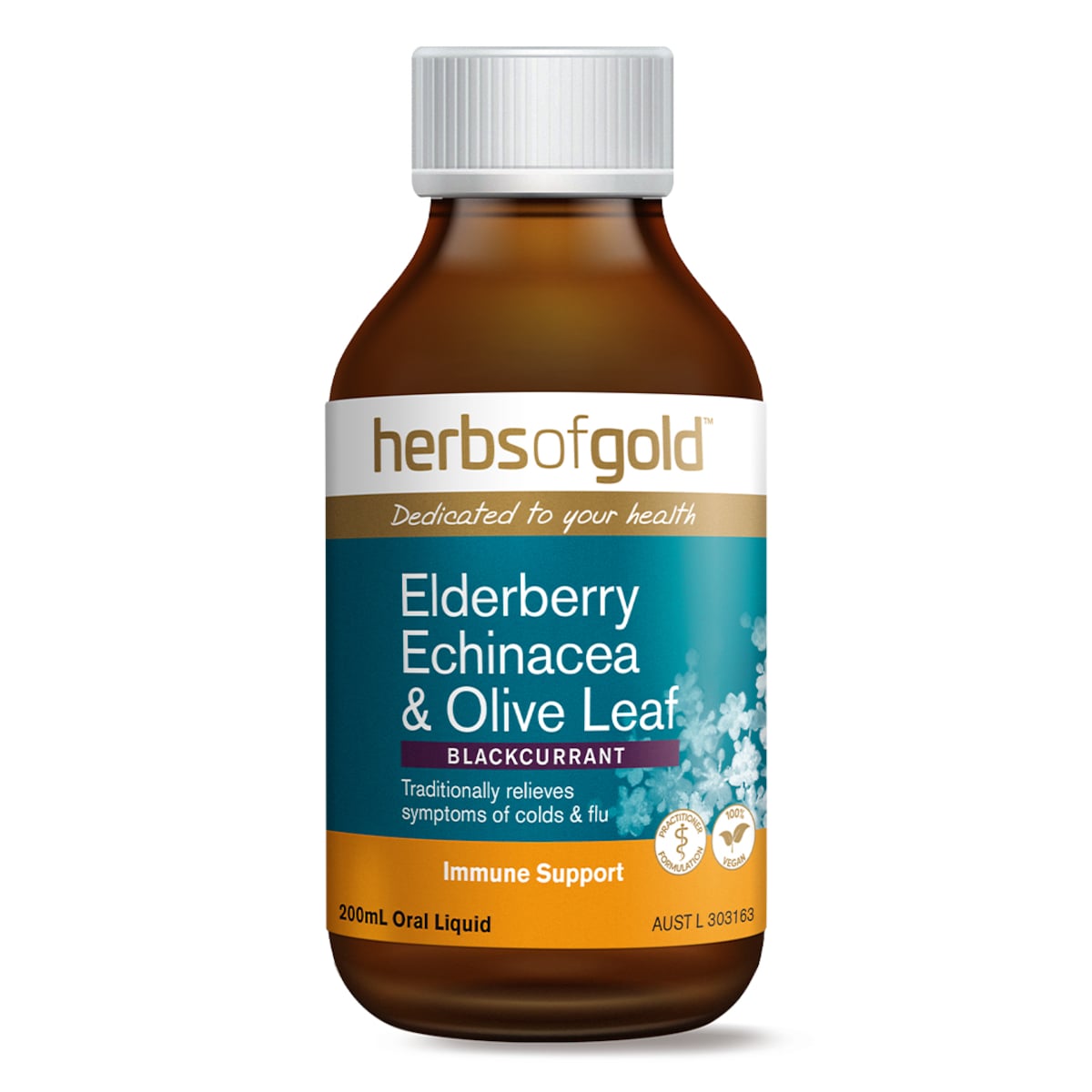
Elderberry, usually from Sambucus nigra, has become very popular for seasonal immune support. It is commonly sold as syrups, gummies, and capsules and is often promoted during cold and flu season.
Some preliminary research suggests elderberry may help relieve symptoms of colds or other upper respiratory infections. However, the evidence is still limited, and official sources do not consider the case strong enough to make broad claims about its usefulness.
That is an important distinction. Elderberry is popular, but popularity is not the same thing as strong clinical proof.
Why people use elderberry
To support the body during cold season
To try to ease upper respiratory symptoms
Because it is commonly included in immune support products
Important cautions
Evidence is preliminary rather than definitive
Raw or unripe elderberries and other parts of the plant can be toxic
It may interact with medicines and is not ideal for self-prescribing in pregnancy without professional advice
Vitamin C
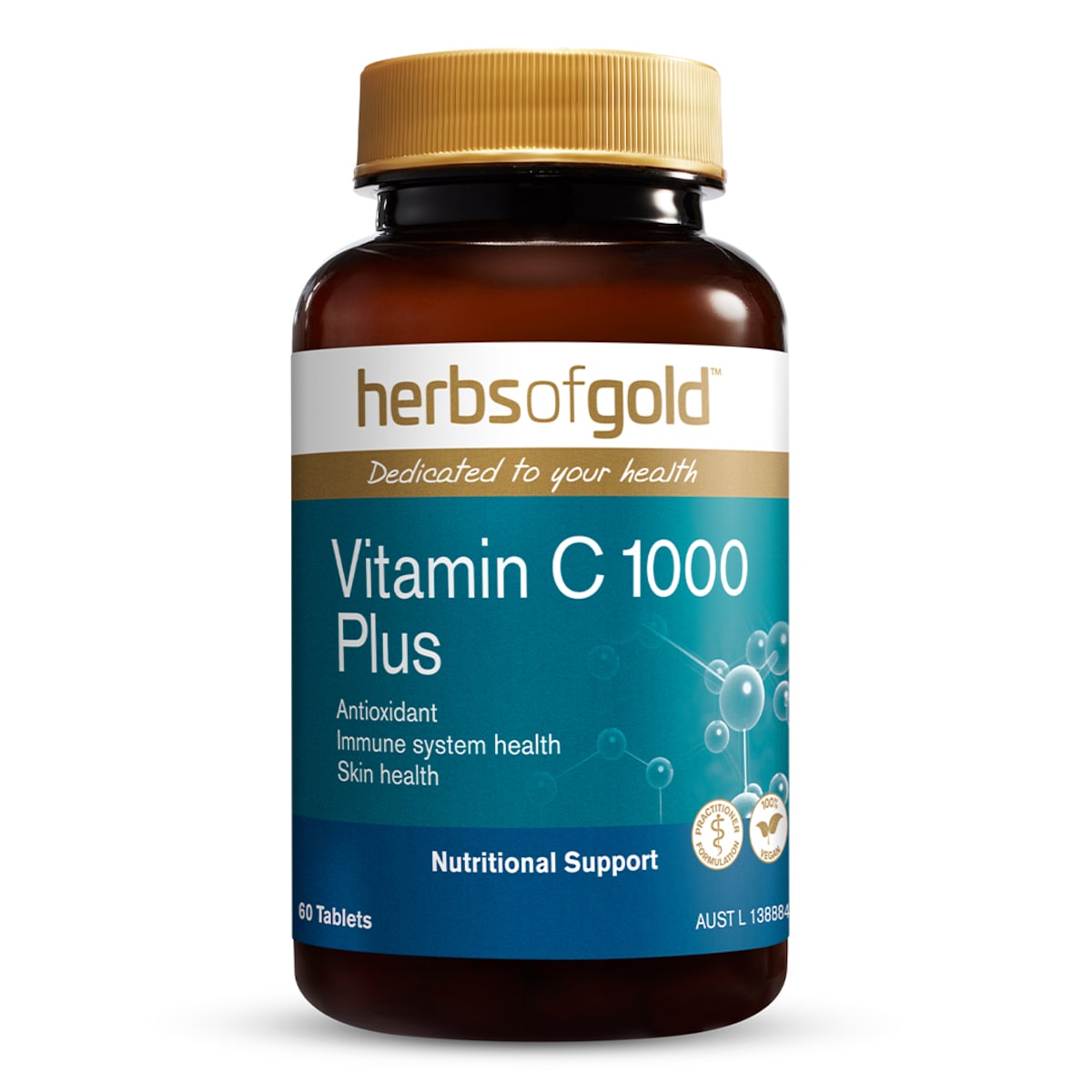
Vitamin C is an essential nutrient involved in immune function, which is one reason it has been associated with colds for decades. Many people reach for it automatically when cold symptoms start.
Research shows that regular vitamin C supplementation does not appear to prevent colds in the general population. However, people who take vitamin C regularly may have slightly shorter colds and somewhat milder symptoms when they do get sick. Taking vitamin C only after symptoms begin does not appear to help much.
This makes vitamin C more useful as a regular supportive nutrient than as a last-minute rescue treatment once a cold is already underway.
Why people use vitamin C
To support normal immune function
To try to reduce how long a cold lasts
Because it is a familiar and widely available supplement
What to watch for
It is not a proven way to prevent colds for most people
Large doses can cause diarrhea, nausea, and abdominal cramps
Very high intakes may not be suitable for everyone
Zinc
Zinc is one of the more evidence-backed supplement options for the common cold, but the details matter. It is usually studied as a lozenge or syrup rather than as a standard swallowed tablet.
When started early in the course of a cold, zinc lozenges or syrup may reduce how long symptoms last. However, zinc does not appear to make a major difference to overall symptom severity, and the evidence is still considered low certainty. In other words, zinc may help, but it is not a guaranteed fix.
Why zinc stands out
It has more supportive evidence than many other cold supplements
It may shorten the duration of symptoms when used early
Lozenge and syrup forms are the main forms studied for colds
Practical cautions
It is best framed as a short-term option rather than something to take heavily for weeks
Too much zinc can cause nausea, dizziness, headache, stomach upset, vomiting, and loss of appetite
Longer periods of high-dose zinc can interfere with copper absorption and interact with some medications
Supportive Care That Still Matters
No supplement replaces the basics. For most colds, supportive care is still the main treatment. That means rest, fluids, a clean humidifier or cool mist vaporizer, warm salt-water gargles, and saline nose drops or sprays.
It is also worth remembering that cold symptoms usually improve with time. Supplements may offer a little support in some cases, but they are not a substitute for sensible self-care and they should not distract from warning signs that need medical attention.
When to See a Doctor
Most people recover from a cold without complications, but medical advice is important if symptoms are severe, prolonged, or unusual. Seek medical help if there is trouble breathing, dehydration, fever lasting more than 4 days, symptoms lasting more than 10 days without improvement, or symptoms that improve and then worsen again.
People with weakened immune systems, asthma, or other respiratory conditions should be especially cautious, because complications can happen more easily.
Frequently Asked Questions
Can echinacea shorten a cold?
It might help a little in some cases, but the evidence is inconsistent and it is still unclear whether echinacea reliably shortens the length of a cold.
Does elderberry work for colds?
Some preliminary research suggests elderberry may help with upper respiratory symptoms, but the evidence is limited and not strong enough for confident claims.
Is vitamin C good for the common cold?
Regular vitamin C supplementation may modestly shorten colds and slightly ease symptoms, but it does not seem to prevent colds for most people and is not very helpful when started only after symptoms begin.
Does zinc help a cold go away faster?
Zinc lozenges or syrup may shorten how long a cold lasts when taken early, but they do not appear to make a large difference to symptom severity.
Can supplements cure the common cold?
No. There is no cure for the common cold. Supplements may offer limited support, but recovery still mostly depends on time and supportive care.
Do antibiotics help a cold?
No. Antibiotics do not work against viral infections such as the common cold.
Disclaimer
This article is for general information only and is not medical advice. The common cold is a viral infection, and supplements do not cure it. Echinacea can cause digestive upset and allergic reactions, which may be severe in some people. Elderberry should never be consumed raw or unripe because parts of the plant contain toxic compounds that can cause nausea, vomiting, and severe diarrhea. Vitamin C can cause diarrhea, nausea, and abdominal cramps at high intakes. Zinc can cause nausea, dizziness, headaches, gastric distress, vomiting, and loss of appetite, and extended high-dose use can interfere with copper absorption and interact with certain medications. Always speak with your doctor or pharmacist before starting a new supplement, especially if you take prescription medication, have a medical condition, are pregnant, breastfeeding, or are choosing products for a child.
Final word: Cold supplements can be appealing, especially when you feel run down, but the best-supported approach is still simple: rest, fluids, symptom relief, and careful use of any supplement with realistic expectations.
The medical framing above follows official sources: MedlinePlus says the common cold is a mild upper respiratory infection caused by many viruses, most commonly rhinoviruses; it spreads through the air, close contact, and contaminated surfaces; there is no cure; antibiotics do not help; and most people recover in 1 to 2 weeks. NCCIH says echinacea may only slightly reduce the chance of catching a cold and it is still unclear whether it shortens a cold, while elderberry evidence is only preliminary and raw or unripe elderberry is unsafe. NIH ODS says regular vitamin C may modestly shorten colds but does not prevent them for most people and does not help much if started after symptoms begin. NIH ODS also says zinc lozenges or syrup started early may shorten duration but likely do little for severity, and excess zinc can cause nausea and other adverse effects.
Vitamins, Minerals & Dietary Supplements for Health & Wellness | Health Supplements Offer now available for the Vitamins, Minerals & Dietary Supplements for Health & Wellness | Health Supplements. On sale with world wide delivery. Shop premium vitamins, minerals & dietary supplements for immunity, energy, digestion and overall wellness. Buy trusted health supplements online in Australia.. Browse our extensive range of products.…
Quick take: iHerb makes it easy to browse supplements, protein, wellness products, and healthy pantry staples in one place. It’s a handy option for comparing ingredients, brands, and customer reviews before choosing what suits your goals.
Quick take: iHerb makes it easy to browse supplements, protein, wellness products, and healthy pantry staples in one place. It’s a handy option for comparing ingredients, brands, and customer reviews before choosing what suits your goals.