Vitamin B12 Deficiency and Memory Loss: Symptoms and Treatment
Vitamin B12 Deficiency and Memory Loss: Symptoms and Treatment Understanding the cause, quality of evidence and safety profile is more useful than relying on supplement marketing claims.
Books and reading for mental stimulation. Illustrative photograph.
Understanding the problem
Vitamin B12 Deficiency and Memory Loss can have several underlying causes, and the right approach depends on symptoms, medical history, medicines and individual goals.
What the evidence shows
B12 deficiency can cause anaemia, neuropathy and cognitive symptoms; prompt diagnosis and replacement are important.
Where supplements fit
Consider supplements only when there is a plausible clinical need, an identified deficiency or credible trial evidence. B12 deficiency can cause anaemia, neuropathy and cognitive symptoms; prompt diagnosis and replacement are important.
How to assess product claims
Look for human clinical trials, transparent ingredient doses and independent quality testing. A biological mechanism or a small pilot study is not proof of a meaningful benefit.
Lifestyle and treatment foundations
Nutrition, regular activity adapted to ability, sleep habits, stress management and condition-specific medical treatment are often more effective than supplements alone.
Dosage and safety
There is no universal safe or effective dose for every adult. Supplement dose, duration and interactions depend on the ingredient and the individual. Neurological symptoms may become persistent if treatment is delayed; testing guides treatment.
When to seek professional advice
Neurological symptoms may become persistent if treatment is delayed; testing guides treatment.
Practical next steps
Record your symptoms and any triggers, discuss persistent problems with a clinician, review medicines and test for deficiencies only when indicated. Reassess whether a supplement produces a measurable benefit.
Frequently asked questions
Do supplements help with vitamin b12 deficiency and memory loss?
B12 deficiency can cause anaemia, neuropathy and cognitive symptoms; prompt diagnosis and replacement are important.
Can I take these supplements with prescribed medicines?
Not always. Supplements may interact with medicines, and some are inappropriate with particular medical conditions. Ask your pharmacist or prescriber.
When should I seek medical advice?
Neurological symptoms may become persistent if treatment is delayed; testing guides treatment.
Affiliate disclosure: OntoFitness may receive a commission from eligible purchases. Medical disclaimer: Educational information only; seek personalised advice before using supplements, especially with medicines or chronic illness.
Most popular sponsored products
5 Brain-Boosting Nutrients to Support Memory and Cognitive Function | Wellness Hub Offer now available for the 5 Brain-Boosting Nutrients to Support Memory and Cognitive Function | Wellness Hub. On sale with world wide delivery. Support memory and cognition with five powerhouse brain-boosting nutrients: phosphatidylcholine, phosphatidylserine, thiamine, lutein, and docosahexaenoic acid (DHA).. Browse our extensive range of products. Found on the safe…
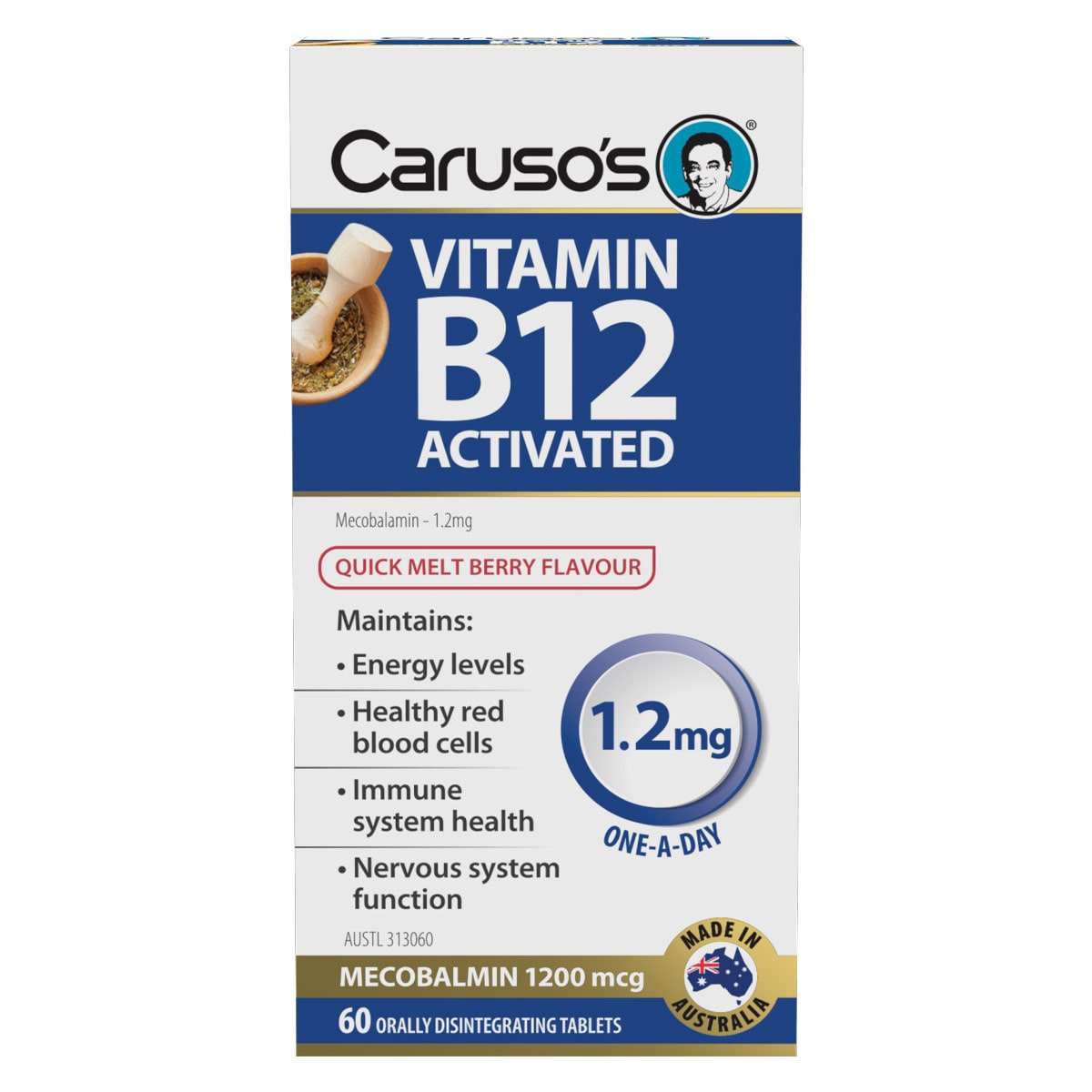
Thorne, Vitamin B12 , 60 Capsules (1 mg per Capsule) Thorne Thorne, Vitamin B12 , 60 Capsules (1 mg per Capsule). Includes 60 Capsules, 1 mg per Capsule. Check current details, price and availability at iHerb.
Vitamin B12 Tablets Myvitamins Browse Vitamin B12 Tablets at Myprotein; compare the current range, variants, pricing and availability on the merchant page.
Blackmores Vitamin B12 100mcg 75 Tablets | Healthylife Blackmores Blackmores Vitamin B12 100mcg 75 Tablets. Tablet supplement (100mcg, 75 Tablets) Available from Healthylife; check current product details, price and availability before ordering.
Quick take: iHerb makes it easy to browse supplements, protein, wellness products, and healthy pantry staples in one place. It’s a handy option for comparing ingredients, brands, and customer reviews before choosing what suits your goals.
Quick take: iHerb makes it easy to browse supplements, protein, wellness products, and healthy pantry staples in one place. It’s a handy option for comparing ingredients, brands, and customer reviews before choosing what suits your goals.