Vitamin D for Men: Benefits, Risks and What the Evidence Says
Vitamin D is one of the most important nutrients for men’s health, but it is also one of the most misunderstood. It is often marketed for immunity, muscle function, testosterone, energy, mood, and general vitality.
Some of those claims are stronger than others. Vitamin D clearly matters for bone health, calcium absorption, muscle function, nerve signaling, and immune function. But that does not mean every man needs a supplement, and it does not mean vitamin D is a proven solution for low testosterone, poor mood, or low energy.
If you are thinking about taking vitamin D, the key is to understand what it clearly does, when supplements make sense, and why more is not always better.
Vitamin D is a nutrient your body needs for good health. One of its most important jobs is helping your body absorb calcium, which supports strong bones. Vitamin D also helps with normal muscle movement, nerve signaling, and immune function.
Your body can make vitamin D when bare skin is exposed to sunlight, and you can also get it from food and supplements. Because vitamin D comes from more than one source, needs and supplement decisions are not always as simple as just buying a capsule.
Why Men Take Vitamin D
Men commonly take vitamin D for one or more of these reasons:
to support bone health
to support muscle function
to support immunity
to address a low blood level
to support general health during aging
These are more evidence-based reasons to think about vitamin D than vague promises about “male vitality” or hormone optimization.
What Vitamin D Clearly Does
Vitamin D helps your body absorb calcium and helps protect bone health. Together with calcium, it helps protect against osteoporosis. Your muscles need vitamin D to move, your nerves need it to carry messages, and your immune system needs it to help fight invading bacteria and viruses.
That makes vitamin D important for men at every age, especially because bone loss, weakness, and fractures are not just women’s issues. Men can also develop osteoporosis and bone fragility, especially later in life or when other risk factors are present.
Vitamin D and Testosterone
Vitamin D is often marketed as a testosterone support supplement for men, but official vitamin D fact sheets do not identify testosterone boosting as an established benefit. The stronger evidence-based reasons to care about vitamin D are bone, muscle, nerve, and immune health.
If you have symptoms of low testosterone, such as reduced sex drive, mood changes, or changes in muscle and fat, it is better to get properly assessed than to assume vitamin D is the answer. Low testosterone can have many causes and needs medical evaluation rather than supplement guesswork.
Who Might Need More Attention to Vitamin D
Some men are more likely than others to have low vitamin D status. Official sources note that older age and darker skin reduce the amount of vitamin D the skin makes from sunlight. Limited sun exposure can also make low intake more important.
Low vitamin D can matter because severe deficiency in adults can lead to osteomalacia, which causes weak bones, bone pain, and muscle weakness. If you have symptoms or risk factors, it can be worth discussing testing with your doctor.
How Much Vitamin D Men Need
Adult men ages 19 to 70 generally need 15 micrograms, or 600 IU, of vitamin D per day. Men aged 71 and older generally need 20 micrograms, or 800 IU, per day.
Those numbers refer to average daily needs, not to a goal of taking the highest dose possible. The tolerable upper intake level for adults is 100 micrograms, or 4,000 IU, per day unless a clinician advises otherwise.
Food Sources, Sunlight and Supplements
Very few foods naturally contain much vitamin D. Fatty fish such as salmon, tuna, trout, and mackerel are among the best natural sources. Fish liver oils are also rich in vitamin D. Beef liver, egg yolks, and cheese contain smaller amounts.
Fortified foods provide much of the vitamin D in many diets. Milk, some plant milks, breakfast cereals, and some brands of orange juice, yogurt, and margarine may contain added vitamin D. Your body can also make vitamin D from sunlight, but windows block the effect of sunlight for vitamin D production, and safe sun practices still matter because ultraviolet exposure raises skin cancer risk.
Best Supplement Form
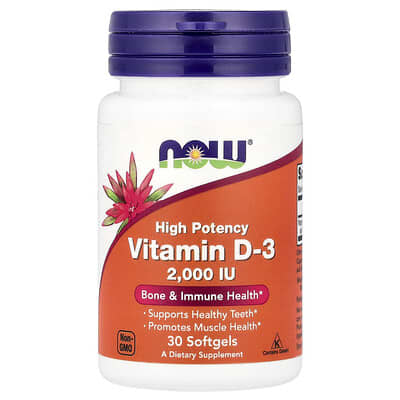
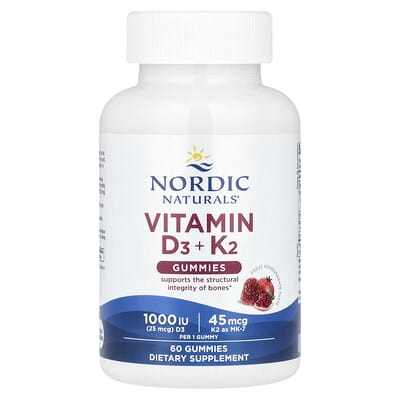
Vitamin D supplements usually contain either vitamin D2 or vitamin D3. Both forms can raise vitamin D levels in the blood, but official consumer guidance says vitamin D3 may raise levels higher and for longer than vitamin D2.
Because vitamin D is fat soluble, it is best absorbed when taken with a meal or snack that contains some fat.
Side Effects and Safety
Vitamin D is essential, but too much can be harmful. Very high vitamin D levels in the blood can cause nausea, vomiting, muscle weakness, confusion, pain, loss of appetite, dehydration, excessive urination and thirst, and kidney stones.
In more extreme cases, excessive vitamin D from supplements can lead to kidney failure, irregular heartbeat, and even death. Vitamin D toxicity is almost always caused by too much supplemental vitamin D rather than sunlight.
Medication Interactions
Vitamin D supplements can interact with medications. Official sources note potential interactions with orlistat, statins, steroids, and thiazide diuretics.
If you take regular prescription medicines, it is worth checking with your doctor or pharmacist before starting a vitamin D supplement, especially if you are considering higher doses.
Frequently Asked Questions
Is vitamin D good for men?
Yes. Vitamin D is important for men because it supports bone health, calcium absorption, muscle function, nerve signaling, and immune function.
How much vitamin D do men need daily?
Men aged 19 to 70 generally need 600 IU per day, and men aged 71 and older generally need 800 IU per day.
Does vitamin D boost testosterone?
Vitamin D is not an established testosterone booster. Men with symptoms of low testosterone should get medical evaluation rather than assume vitamin D is the answer.
What are signs of low vitamin D in men?
Severe deficiency in adults can lead to weak bones, bone pain, and muscle weakness. Some men may not notice obvious symptoms until deficiency is more advanced.
What foods are high in vitamin D?
Fatty fish such as salmon, tuna, trout, and mackerel are among the best natural sources. Fortified milk, plant milks, cereals, and some other fortified foods can also help.
Can you take too much vitamin D?
Yes. Excess vitamin D from supplements can be dangerous and may cause high calcium levels, kidney stones, kidney failure, irregular heartbeat, and other serious problems.
Disclaimer
This article is for general information only and is not medical advice. Vitamin D is an essential nutrient, but supplements are not automatically necessary or safe for everyone. Too much vitamin D from supplements can cause high calcium levels, nausea, vomiting, muscle weakness, confusion, dehydration, kidney stones, kidney failure, irregular heartbeat, and other serious problems. Vitamin D can also interact with medications, including orlistat, statins, steroids, and thiazide diuretics. Always speak with your doctor or pharmacist before starting a vitamin D supplement, especially if you have kidney disease, a history of kidney stones, high calcium levels, osteoporosis, low testosterone symptoms, or you take regular prescription medication.
Final word: For men, vitamin D matters because it supports basic health, especially bone and muscle function. The smartest reason to pay attention to vitamin D is to make sure you are meeting your needs safely, not to chase exaggerated supplement claims.
Most popular sponsored products
California Gold Nutrition, Defender 4, with Vitamin C, Vitamin D, Zinc & Selenium, 180 Veggie Capsules Offer now available for the California Gold Nutrition, Defender 4, with Vitamin C, Vitamin D, Zinc & Selenium, 180 Veggie Capsules. On sale with world wide delivery. California Gold Nutrition® Defender 4 With Vitamins C and D, Zinc, and Selenium Immune System Support* Formulated without Gluten, GMOs, or Soya Produced…
Quick take: iHerb makes it easy to browse supplements, protein, wellness products, and healthy pantry staples in one place. It’s a handy option for comparing ingredients, brands, and customer reviews before choosing what suits your goals.
Quick take: iHerb makes it easy to browse supplements, protein, wellness products, and healthy pantry staples in one place. It’s a handy option for comparing ingredients, brands, and customer reviews before choosing what suits your goals.