Vitamin K1 and vitamin K2 belong to the same vitamin K family but differ in chemical structure, food sources and metabolism. Both support vitamin-K-dependent proteins, yet marketing often assigns K2 benefits that are more certain than current clinical outcome evidence allows. This comparison explains the practical differences, evidence, advantages, disadvantages, safety issues and which option may be more suitable for different goals.
Most popular sponsored products
California Gold Nutrition, Defender 4, with Vitamin C, Vitamin D, Zinc & Selenium, 180 Veggie Capsules Offer now available for the California Gold Nutrition, Defender 4, with Vitamin C, Vitamin D, Zinc & Selenium, 180 Veggie Capsules. On sale with world wide delivery. California Gold Nutrition® Defender 4 With Vitamins C and D, Zinc, and Selenium Immune System Support* Formulated without Gluten, GMOs, or Soya Produced…
Quick take: iHerb makes it easy to browse supplements, protein, wellness products, and healthy pantry staples in one place. It’s a handy option for comparing ingredients, brands, and customer reviews before choosing what suits your goals.
Answer Capsule: Vitamin K1, or phylloquinone, is the main dietary form found in leafy green vegetables and has a central role in normal blood clotting. Vitamin K2 refers to several menaquinones such as MK-4 and MK-7. K2 is studied for bone and vascular outcomes, but it has not been proven to be universally superior to K1. Both can interfere with warfarin therapy.
Vitamin K1 vs Vitamin K2: Quick Comparison
Feature
Vitamin K1
Vitamin K2
Chemical group
Phylloquinone
Menaquinones such as MK-4 and MK-7
Food sources
Leafy green vegetables and plant oils
Fermented foods and some animal foods
Clotting role
Well established
Also activates vitamin-K-dependent proteins
Bone research
Relevant to vitamin K status
Frequently studied, but outcome evidence remains mixed
Cardiovascular claims
Not usually marketed for this
Commonly marketed; definitive prevention evidence is lacking
Warfarin interaction
Important
Important
What Is Vitamin K1?
Vitamin K1, or phylloquinone, is abundant in leafy green vegetables and is the major dietary form measured in food databases.
What Is Vitamin K2?
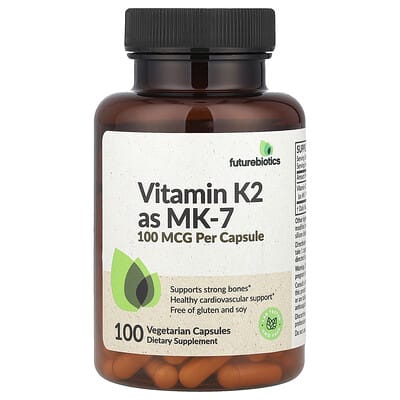
Vitamin K2 is a family of menaquinones, including MK-4, MK-7 and others. They occur in some fermented and animal foods and differ in side-chain length and pharmacokinetics.
What Does the Research Say About Vitamin K1 vs Vitamin K2?
Vitamin K is required for activation of clotting and bone-related proteins. K2 has interesting observational and intervention research, but current evidence does not justify claiming that it prevents arterial calcification or osteoporosis for everyone.
When comparing supplements, it is important to distinguish between biochemical differences and patient-important outcomes. A product may produce a higher blood level, dissolve more easily or have a different chemical form without necessarily producing better health, performance or symptom outcomes.
Quick take: iHerb makes it easy to browse supplements, protein, wellness products, and healthy pantry staples in one place. It’s a handy option for comparing ingredients, brands, and customer reviews before choosing what suits your goals.
K1 is the major dietary vitamin K form and is appropriate for meeting ordinary vitamin K requirements through food.
When Might Vitamin K2 Be the Better Choice?
K2 may be considered when a clinician or individual specifically wants a menaquinone product, but it should not be viewed as a proven cardiovascular treatment.
Vitamin K1: Pros and Cons
Pros
Chemical group: Phylloquinone.
Food sources: Leafy green vegetables and plant oils.
Clotting role: Well established.
K1 is the major dietary vitamin K form and is appropriate for meeting ordinary vitamin K requirements through food.
Cons
It may cost more or offer no extra benefit if its specific advantages do not match your goal.
Marketing claims can overstate differences that have not been confirmed in head-to-head clinical trials.
Individual tolerance and medicine interactions still need to be considered.
Vitamin K2: Pros and Cons
Pros
Chemical group: Menaquinones such as MK-4 and MK-7.
Food sources: Fermented foods and some animal foods.
Clotting role: Also activates vitamin-K-dependent proteins.
K2 may be considered when a clinician or individual specifically wants a menaquinone product, but it should not be viewed as a proven cardiovascular treatment.
Cons
It may be less suitable when its composition, dietary source or gastrointestinal effect conflicts with your needs.
The cheaper or more familiar option is not automatically the best choice for every individual.
Product quality and active dose can vary considerably between brands.
Safety: Vitamin K1 vs Vitamin K2
The major practical safety issue is interaction with vitamin-K-antagonist anticoagulants such as warfarin. People using these medicines should keep vitamin K intake consistent and make supplement changes only with medical guidance.
Supplements should not be used to replace diagnosis or evidence-based treatment of a medical condition. Check the full ingredient list because combination products can introduce additional vitamins, minerals, herbs, stimulants or allergens that change the safety profile.
How to Choose Between Vitamin K1 and Vitamin K2
Start with your goal: identify the specific outcome you are trying to improve.
Check the active dose: compare the amount of the ingredient that actually matters, not just capsule or powder weight.
Match the research: prefer forms and doses that resemble credible human studies for your intended use.
Consider tolerance: digestive effects, allergies and dietary preferences can be decisive.
Compare cost per effective dose: a cheaper bottle is not necessarily cheaper if it supplies much less active ingredient.
Avoid miracle claims: be cautious of promises to cure disease, reverse ageing or replace prescription treatment.
Frequently Asked Questions About Vitamin K1 vs Vitamin K2
Is Vitamin K1 better than Vitamin K2?
Not universally. Vitamin K1, or phylloquinone, is the main dietary form found in leafy green vegetables and has a central role in normal blood clotting. Vitamin K2 refers to several menaquinones such as MK-4 and MK-7. K2 is studied for bone and vascular outcomes, but it has not been proven to be universally superior to K1. Both can interfere with warfarin therapy.
Which is better for beginners: Vitamin K1 or Vitamin K2?
The best starting choice depends on the goal, evidence, tolerance and cost. K1 is the major dietary vitamin K form and is appropriate for meeting ordinary vitamin K requirements through food. K2 may be considered when a clinician or individual specifically wants a menaquinone product, but it should not be viewed as a proven cardiovascular treatment.
Can you take Vitamin K1 and Vitamin K2 together?
Sometimes, but combining closely related products can be redundant. Check whether they supply the same active nutrient or pathway before doubling up, and consider total dose and medicine interactions.
Which has better scientific evidence?
Vitamin K is required for activation of clotting and bone-related proteins. K2 has interesting observational and intervention research, but current evidence does not justify claiming that it prevents arterial calcification or osteoporosis for everyone.
Which is safer?
Neither should be labelled universally safer. The major practical safety issue is interaction with vitamin-K-antagonist anticoagulants such as warfarin. People using these medicines should keep vitamin K intake consistent and make supplement changes only with medical guidance.
Which is better value?
Value depends on the amount of active ingredient, dose needed, evidence for the intended use and whether the more expensive option provides a meaningful advantage for you.
How long should I try Vitamin K1 or Vitamin K2?
Use a time frame that matches the outcome studied. Some effects can be assessed within days or weeks, while body-composition, skin or joint outcomes may take months. Stop paying for a supplement that provides no meaningful benefit after a reasonable evidence-based trial.
Should I ask a doctor before using Vitamin K1 or Vitamin K2?
Yes if you take prescription medicines, are pregnant or breastfeeding, have a significant medical condition, are preparing for surgery or plan to use therapeutic rather than ordinary dietary doses.
The Bottom Line
Vitamin K1, or phylloquinone, is the main dietary form found in leafy green vegetables and has a central role in normal blood clotting. Vitamin K2 refers to several menaquinones such as MK-4 and MK-7. K2 is studied for bone and vascular outcomes, but it has not been proven to be universally superior to K1. Both can interfere with warfarin therapy. The most useful choice is the one that matches the intended outcome, has an evidence-supported dose, fits your diet and budget, and can be used safely alongside any medicines or medical conditions.
This article provides general information only and is not intended to diagnose, prevent or treat a medical condition or replace individual advice from a qualified healthcare professional.
Most popular sponsored products
California Gold Nutrition, Defender 4, with Vitamin C, Vitamin D, Zinc & Selenium, 180 Veggie Capsules Offer now available for the California Gold Nutrition, Defender 4, with Vitamin C, Vitamin D, Zinc & Selenium, 180 Veggie Capsules. On sale with world wide delivery. California Gold Nutrition® Defender 4 With Vitamins C and D, Zinc, and Selenium Immune System Support* Formulated without Gluten, GMOs, or Soya Produced…
Quick take: iHerb makes it easy to browse supplements, protein, wellness products, and healthy pantry staples in one place. It’s a handy option for comparing ingredients, brands, and customer reviews before choosing what suits your goals.
Quick take: iHerb makes it easy to browse supplements, protein, wellness products, and healthy pantry staples in one place. It’s a handy option for comparing ingredients, brands, and customer reviews before choosing what suits your goals.