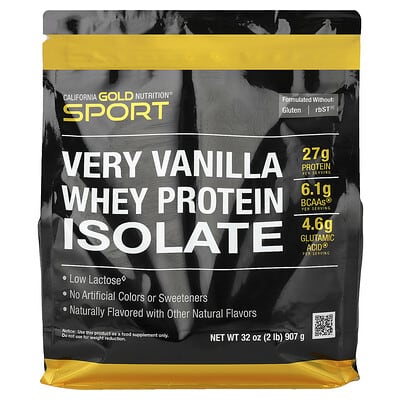
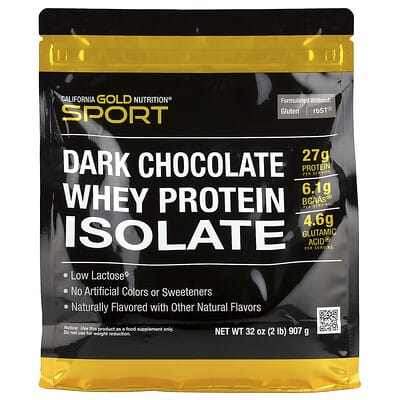
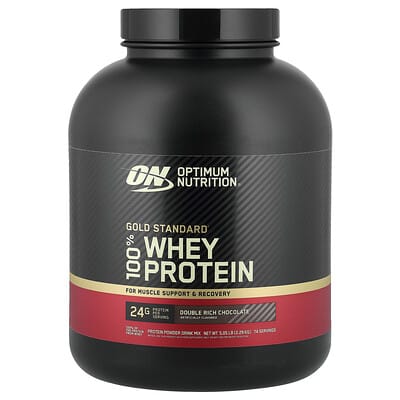
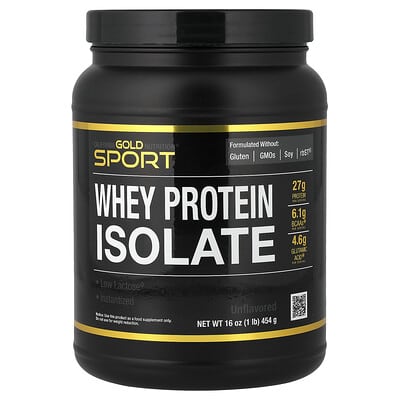
Whey protein is one of the most widely used nutrition supplements in the world. It is commonly marketed for muscle growth, workout recovery, weight management, convenience, and increasing daily protein intake.
Some of that popularity is justified. Whey is a complete protein that contains all nine essential amino acids, and it can be a practical way to help meet protein needs. But whey protein is also heavily oversold. It is not a shortcut around training, sleep, or an overall balanced diet, and it is not something every person automatically needs.
If you are thinking about using whey protein, the most useful approach is to treat it as a supplement that can make nutrition easier in some situations, not as a magic product.
Whey protein is a dairy protein that comes from the liquid portion of milk left over during cheese production. It is commonly sold as powder and mixed into shakes, smoothies, oats, yogurt, or baking recipes.
Whey is considered a complete protein because it contains all nine essential amino acids. That makes it a practical option for people who want a convenient, protein-dense supplement.
Why People Use Whey Protein
People usually use whey protein for one or more of these reasons:
to increase daily protein intake
to support muscle growth and recovery
to make post-workout nutrition easier
to add a convenient protein source during busy days
to support appetite control or structured eating plans
These are practical reasons, but whey protein is still a supplement. It works best when it fills a real nutrition gap rather than replacing balanced meals without a clear need.
What Whey Protein Clearly Offers
The clearest benefit of whey protein is convenience. It can help you reach protein targets more easily, especially if you exercise regularly, have a low appetite, or struggle to fit enough protein-rich foods into your routine.
It is also a high-quality protein source. Because it contains all the essential amino acids, it can support normal muscle repair and maintenance when total protein intake and training are appropriate.
Whey Protein and Muscle Support
Whey protein is often associated with muscle gain, but the marketing can be misleading. Whey protein does not build muscle on its own. Training is still the main driver of muscle growth, and adequate total protein is what matters most.
That means whey protein is best thought of as a convenient way to help meet protein needs, especially for active people. If your diet already provides enough high-quality protein, whey may add convenience more than a dramatic extra effect.
Whey Concentrate vs Whey Isolate
Whey protein comes in different forms, most commonly concentrate and isolate. Whey isolate is typically more refined, higher in protein, and lower in lactose and fat than whey concentrate.
Whey concentrate may still be a good choice for people who tolerate dairy well and want a less processed option. Whey isolate often makes more sense for people who want less lactose or a leaner label.
Who Might Find It Useful
Whey protein may be especially useful for people who lift weights or train often, older adults trying to preserve muscle, people recovering appetite after illness, or anyone who struggles to meet protein targets from food alone.
Even so, most people can usually meet protein needs through food if they plan well. Whey is helpful when it solves a real problem, not because every healthy person automatically needs a protein powder.
Lactose Intolerance vs Milk Allergy
This is one of the biggest areas of confusion. Some people with lactose intolerance tolerate certain whey protein products, especially whey isolate, much better than standard dairy foods. But lactose intolerance is not the same as milk allergy.
If you have a true milk allergy, whey protein is not a safe choice because it is still a milk protein. That distinction matters a lot.
Quality and Label Concerns
One of the biggest practical issues with protein powders is not the whey itself but the product quality. Some powders contain extra sugar, gums, artificial sweeteners, fillers, or undeclared contaminants.
That is why short ingredient lists and third-party testing matter. Products certified by programs such as NSF Certified for Sport or Informed Choice have been independently tested, which can be useful even for everyday gym users.
Side Effects and Safety
Whey protein is generally considered safe for most people who do not have a milk allergy. But it can still cause bloating, stomach discomfort, or digestive issues in some people, especially if the product contains lactose, added sweeteners, or sugar alcohols.
It is also worth remembering that protein powders still add calories. If the rest of the diet is not balanced, they can contribute to weight gain just like other calorie sources. And if you have kidney disease or have been told to limit protein, supplements should be discussed with a clinician before use.
Frequently Asked Questions
What is whey protein?
Whey protein is a dairy-derived protein supplement made from the liquid portion of milk left over during cheese production.
Is whey protein a complete protein?
Yes. Whey protein contains all nine essential amino acids, which makes it a complete protein.
Does whey protein build muscle?
It can support muscle growth by helping you meet protein needs, but training is still the main driver of muscle gain.
Is whey protein the same as whey isolate?
No. Whey isolate is a more refined form of whey protein that is usually higher in protein and lower in lactose and fat than concentrate.
Can people with lactose intolerance use whey protein?
Some can, especially with whey isolate, which is lower in lactose. But tolerance varies between individuals.
Can people with milk allergy use whey protein?
No. Whey protein is a milk protein and is not suitable for people with a true milk allergy.
Disclaimer
This article is for general information only and is not medical advice. Whey protein is a dietary supplement, not a treatment for disease. It may be useful for meeting protein needs, but it is not necessary for everyone and should not replace a balanced diet. Whey protein is not appropriate for people with a milk allergy, and some products may contain added ingredients or contaminants. Always speak with your doctor, dietitian, or pharmacist before starting a protein supplement if you have kidney disease, food allergies, digestive symptoms, or take regular medication.
Final word: Whey protein is best understood as a useful convenience supplement. It can be a very practical tool when it helps you meet protein needs, but it is not magic, and it is not required for good nutrition or fitness progress.
Most popular sponsored products
Impact Whey Protein Milkshake – Chupa Chups® Offer now available for the Impact Whey Protein Milkshake – Chupa Chups®. On sale with world wide delivery. Chupa Chups® Meets Milkshake. An iconic flavour just got a protein upgrade. Inspired by Chupa Chups® Strawberries & Cream, this shake brings together sweet strawberry and smooth, creamy notes in our most…
Impact Whey Protein Milkshake – Krispy Kreme® Offer now available for the Impact Whey Protein Milkshake – Krispy Kreme®. On sale with world wide delivery. Flavour meets fuel. We’ve teamed up to bring an iconic flavour to our creamiest protein shake yet with a collection inspired by Krispy Kreme’s Original GlazedTM doughnut. Sweet, smooth, and instantly recognisable,…
Clear Whey Protein + Collagen | 7 Servings Offer now available for the Clear Whey Protein + Collagen | 7 Servings. On sale with world wide delivery. Protein + Collagen. Made Clear. Clear Whey Protein + Collagen brings protein, collagen and vitamin C together in a light, fruity drink that feels more like a juice than a traditional…
Clear Whey Protein | 10 Servings Offer now available for the Clear Whey Protein | 10 Servings. On sale with world wide delivery. Juicy by nature, powerful by design. Clear Whey Protein is fruity, refreshing, and completely loooaded with protein — you'll be obsessed with every thirst-quenching sip. With 20g of protein in every serving* to…
Impact Whey Protein (Sample) Myprotein Offer now available for the Impact Whey Protein (Sample). On sale with world wide delivery. Nutritional information may vary depending on flavour. Premium whey packed with 21g of protein per serving, for the protein you need from a quality source — the same cows that produce your milk and cheese.…
Quick take: iHerb makes it easy to browse supplements, protein, wellness products, and healthy pantry staples in one place. It’s a handy option for comparing ingredients, brands, and customer reviews before choosing what suits your goals.
Quick take: iHerb makes it easy to browse supplements, protein, wellness products, and healthy pantry staples in one place. It’s a handy option for comparing ingredients, brands, and customer reviews before choosing what suits your goals.