Whey Protein Guide: Benefits, Types, Safety and Where to Buy
Whey protein is one of the most popular protein powders for muscle support, recovery nutrition, high-protein breakfasts and convenient meal add-ins. It comes from milk and is produced during the cheese-making process. Because whey is dairy-derived, it is not vegan and may not suit people with milk allergy or lactose intolerance.
Impact Whey Protein Milkshake – Chupa Chups® Offer now available for the Impact Whey Protein Milkshake – Chupa Chups®. On sale with world wide delivery. Chupa Chups® Meets Milkshake. An iconic flavour just got a protein upgrade. Inspired by Chupa Chups® Strawberries & Cream, this shake brings together sweet strawberry and smooth, creamy notes in our most…
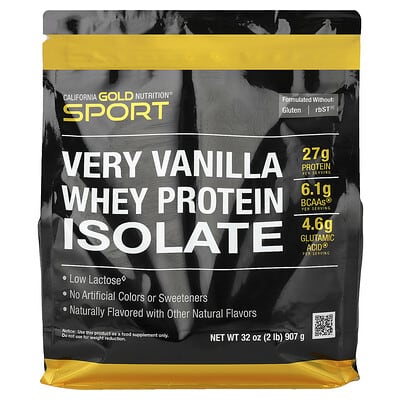
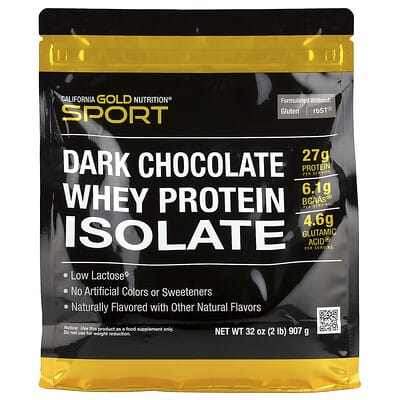
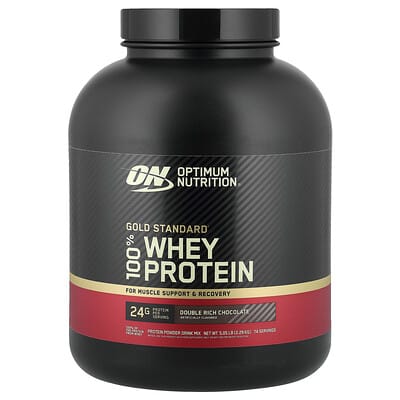
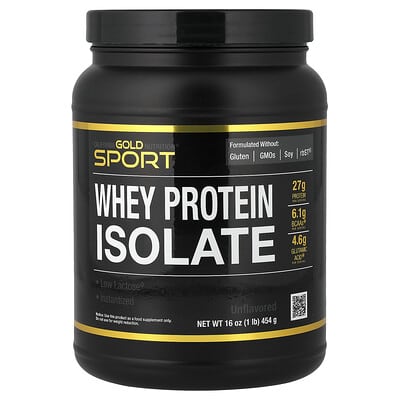
Quick take: iHerb makes it easy to browse supplements, protein, wellness products, and healthy pantry staples in one place. It’s a handy option for comparing ingredients, brands, and customer reviews before choosing what suits your goals.
Whey protein powder can be useful if you struggle to get enough protein from food, exercise regularly, want to maintain muscle as you age, or need a quick protein option after training. However, it is not a magic muscle-building product, weight-loss shortcut or replacement for a balanced diet.
Affiliate disclosure: This article may contain merchant links. If you purchase through a link, we may earn a commission at no extra cost to you. Always check the product label, allergens, serving size, shipping availability and import rules for your country before buying any supplement.
Quick Answer: What Is Whey Protein?
Whey protein is a dairy-based protein powder made from whey, the liquid part of milk that separates during cheese production. It is rich in essential amino acids and is especially popular with people who do resistance training, want to support muscle maintenance, or need a convenient protein boost.
Whey protein is commonly used for:
Post-workout protein shakes
Muscle maintenance and recovery support
High-protein breakfasts
Smoothies and meal add-ins
Protein pancakes, oats and baking
Supporting protein intake during weight management
Helping older adults reach protein targets, where appropriate
The best whey protein powder depends on your digestion, protein target, budget, flavour preference and whether you want whey concentrate, whey isolate or a blend.
People usually use whey protein to increase daily protein intake. Protein supports muscle maintenance, muscle repair, satiety and normal body function. A whey shake is not essential, but it can be convenient when preparing a full meal is difficult.
Common reasons people use whey protein include:
Muscle support: useful alongside resistance training and enough total daily protein.
Recovery nutrition: convenient after gym sessions, walking, sport or physical work.
Weight management: protein can help meals feel more satisfying.
Convenience: faster than cooking eggs, chicken, fish or legumes.
Older adult nutrition: may help support protein intake when appetite is low.
Breakfast upgrade: can be added to smoothies, oats, yoghurt or pancakes.
Whey protein works best when it fills a real protein gap. If you already eat enough protein from food, adding large shakes may simply add extra calories.
Types of Whey Protein
Type
Best For
What to Know
Whey Protein Concentrate
Everyday shakes, value, flavour and general protein support
Usually contains more lactose, fat and carbohydrates than isolate
Whey Protein Isolate
Higher protein per serving, lower lactose, lower fat and lower carbs
Usually more expensive, but may suit people who want a leaner protein powder
Hydrolysed Whey
Specialised sports-nutrition use
Partially broken down; often more expensive and not necessary for most people
Diet Whey / Whey Blend
Weight-management formulas or blended shakes
May include added fibre, vitamins, minerals, sweeteners or other ingredients
If you want the simplest everyday option, whey concentrate is usually enough. If you want higher protein with less lactose, fat and carbohydrate, whey isolate may be better.
Where to Buy Whey Protein From Recommended Merchants
Using the previously recommended Skimlinks-friendly supplement merchants, the clearest whey protein options are from Myprotein, Nutricost and Bulk. I would not include Dr. Berg, Qunol, CocoaVia or Dr. Kellyann as direct whey protein powder suppliers here unless their live product pages clearly show a dedicated whey protein product.
Recommended Merchant Option: Myprotein Impact Whey Protein
Myprotein lists Impact Whey Protein as a popular whey protein powder delivering up to 23g protein per serving, with low fat and sugar depending on flavour.
Best for: people wanting a mainstream whey protein concentrate with many flavour options.
Myprotein lists Impact Whey Isolate as a more refined whey protein isolate, with up to 26g protein per serving, lower fat and lower carbohydrate than standard whey concentrate.
Best for: people who want a leaner whey option with a higher protein percentage.
Recommended Merchant Option: Nutricost Whey Protein Isolate
Nutricost lists Whey Protein Isolate Powder with 30g protein per serving, available in 2 lb and 5 lb sizes, and made in a GMP-compliant, FDA-registered facility.
Best for: people wanting a high-protein whey isolate from a general supplement supplier.
Recommended Merchant Option: Nutricost Grass-Fed Whey Protein Isolate
Nutricost lists Grass-Fed Whey Protein Isolate with 30g protein per serving. The product page also lists non-GMO, cold processed, rBGH-free, gluten-free and independent laboratory testing claims.
Best for: people comparing grass-fed whey isolate options.
Recommended Merchant Option: Nutricost Whey Protein Concentrate
Nutricost lists Whey Protein Concentrate with 25g protein per serving. The page also states that Nutricost products are tested by an independent accredited lab and made in the USA using globally sourced ingredients.
Best for: people wanting whey concentrate rather than isolate.
Recommended Merchant Option: Bulk Pure Whey Protein
Bulk lists Pure Whey Protein as its bestselling whey protein powder, providing up to 23g whey protein per serving. It is made with whey protein concentrate and designed for shakes, smoothies and daily protein support.
Best for: people wanting a popular whey concentrate from Bulk’s sports-nutrition range.
Recommended Merchant Option: Bulk Pure Whey Isolate 90
Bulk lists Pure Whey Isolate 90 as a higher-protein whey isolate, providing at least 24g protein in a 30g serving. It is positioned as a leaner, higher-protein alternative to standard whey protein.
Best for: people wanting a whey isolate option from Bulk.
International delivery note: Delivery options, customs rules and supplement import restrictions vary by country. Before ordering, check the merchant’s checkout page, shipping availability, duties, taxes, allergens and ingredient restrictions for your location.
Whey Protein vs Plant Protein
Protein Type
Best For
What to Know
Whey Protein
People who tolerate dairy and want a fast, convenient protein powder
Not vegan; avoid with milk allergy and be cautious with lactose intolerance
Whey Isolate
People wanting higher protein with less fat, sugar and lactose
Usually costs more than whey concentrate
Soy Protein
Vegan, dairy-free and lactose-free diets
Avoid with soy allergy; check medication timing if using thyroid medication
Pea Protein
People avoiding both dairy and soy
May taste earthier and may be blended with rice protein
Whey protein is not automatically better than plant protein. It is simply a different protein source. The right choice depends on your diet, digestion, allergies, ethics, training goals and taste preference.
How to Choose a Quality Whey Protein Powder
1. Check Protein Per Serving
Most good whey protein powders provide around 20g to 30g protein per serving. Compare the protein amount, scoop size and number of servings, not just the tub size.
2. Choose Concentrate or Isolate
Whey concentrate is usually cheaper and often tastes creamier. Whey isolate is usually higher in protein and lower in fat, carbs and lactose. If lactose bothers you, isolate may be easier to tolerate, although it is still dairy-derived.
3. Watch Sugar and Calories
Some flavoured whey powders are low in sugar, while others may contain more sweeteners, thickeners or calories. If your goal is weight loss, check the nutrition panel carefully.
4. Read the Allergen Label
Whey comes from milk. Many products also contain soy lecithin, sunflower lecithin, artificial sweeteners, flavourings or traces of other allergens. If you have allergies, read the full label.
5. Look for Testing and Quality Standards
Protein powders vary in quality. Look for reputable brands, transparent labels, batch testing, third-party testing or quality certifications where available.
6. Avoid Overcomplicated Formulas
A basic whey powder should not need a long list of unnecessary extras. Added digestive enzymes, vitamins, creatine, caffeine or fat-loss ingredients may be useful for some people, but they can also make the product harder to judge.
7. Choose a Flavour You Will Actually Use
The best protein powder is one you can tolerate and use consistently. Chocolate and vanilla are the safest choices for smoothies, oats and baking. Unflavoured whey is more flexible but may taste milky or plain.
Who Should Be Careful With Whey Protein?
Whey protein is generally well tolerated by many adults, but it is not suitable for everyone.
Speak with a healthcare professional before using whey protein regularly if you:
Have diabetes and need to monitor sugars, calories or meal replacements
Are pregnant or breastfeeding
Are buying for a child or teenager
Have acne that worsens with dairy products
Already use several protein powders, meal replacements or high-protein supplements
Possible side effects may include bloating, gas, stomach cramps, nausea, diarrhoea or constipation, especially if you take too much or are sensitive to dairy. If whey causes digestive symptoms, try a smaller serving, choose whey isolate, or consider a non-dairy protein powder.
How to Use Whey Protein
Always follow the product label. The amount you need depends on your body size, diet, training level and goals. More protein is not automatically better.
Common ways to use whey protein include:
Mixed with water for a simple shake
Mixed with milk for a creamier, higher-calorie shake
Blended with berries, banana or oats
Stirred into porridge after cooking
Added to yoghurt
Used in pancakes, muffins or protein balls
Taken after resistance training
Simple Whey Protein Smoothie Idea
1 serving whey protein powder
250–400ml water, milk or plant milk
1 small banana or a handful of berries
Optional: oats, chia seeds or cinnamon
Ice, then blend until smooth
If your goal is weight management, be careful with add-ins. Nut butter, oats, full-cream milk and extra fruit can be nutritious, but they also increase calories.
Whey protein can support muscle maintenance and growth when combined with resistance training and enough total protein across the day. It is not the shake alone that builds muscle. The bigger picture is training, recovery, calories, sleep and consistent protein intake.
For many adults, a whey shake after strength training can be a practical way to reach protein goals. Older adults may also benefit from paying closer attention to protein intake to help maintain muscle, but individual needs vary.
Is Whey Protein Good for Weight Loss?
Whey protein can help with weight management if it makes meals more satisfying or replaces a lower-quality snack. Protein can help you feel fuller, and a measured shake may be easier to track than grazing.
However, whey protein does not cause weight loss by itself. If you add whey shakes on top of your normal meals, you may increase calories. For weight loss, use whey as part of a structured eating plan, not as an extra dessert-style drink.
Is Whey Protein Safe Every Day?
Many people use whey protein daily without problems, but it depends on your total protein intake, digestion, health status and the rest of your diet. A daily whey shake may be fine for someone who needs extra protein, but unnecessary for someone already eating enough protein from food.
If you have kidney disease, liver disease, a milk allergy, significant digestive issues or have been told to limit protein, speak with a healthcare professional before using whey protein regularly.
Whey Protein FAQs
What is whey protein?
Whey protein is a dairy-based protein powder made from whey, the liquid part of milk that separates during cheese production. It is commonly used in shakes, smoothies and sports-nutrition products.
Is whey protein good for muscle building?
Whey protein can support muscle growth and maintenance when combined with resistance training and enough total protein. It does not build muscle on its own.
What is the difference between whey concentrate and whey isolate?
Whey concentrate usually contains more lactose, fat and carbohydrates, while whey isolate is more refined and usually higher in protein with less fat and carbs. Isolate is often more expensive.
Is whey protein vegan?
No. Whey protein comes from milk, so it is not vegan. If you need a vegan option, compare soy, pea, rice or plant protein blends instead.
Can lactose-intolerant people use whey protein?
Some lactose-intolerant people tolerate whey isolate better than whey concentrate because it usually contains less lactose. Others still react to it. If you are sensitive to dairy, start carefully or choose a dairy-free protein powder.
Can whey protein upset your stomach?
Yes. Whey can cause bloating, gas, cramps, nausea, diarrhoea or constipation in some people, especially with large servings, lactose intolerance or dairy sensitivity.
Can I take whey protein every day?
Many adults can use whey protein daily if it fits their protein needs and digestion. Do not use it to replace most meals, and avoid excessive protein intake if you have kidney disease or have been told to limit protein.
Is whey protein better than food?
No. Whey protein is convenient, but whole foods provide a wider range of nutrients. Use whey to fill protein gaps, not to replace a balanced diet.
Where can I buy whey protein from the recommended merchants?
Final Thoughts: Is Whey Protein Worth Considering?
Whey protein is worth considering if you tolerate dairy and want a convenient way to increase protein intake. It can be useful for training, muscle maintenance, recovery nutrition, high-protein breakfasts and weight-management routines.
Bottom line: whey protein is a useful convenience supplement, not a cure-all. Choose it if it suits your digestion, allergies, protein needs and budget — and keep whole foods as the foundation of your diet.
Health disclaimer: This article is for general information only and is not medical advice. Dietary supplements are not medicines and are not intended to diagnose, treat, cure or prevent disease. Always speak with your healthcare professional before starting a new supplement, especially if you have kidney disease, liver disease, milk allergy, lactose intolerance, digestive problems, take medication, are pregnant or are breastfeeding.
Most popular sponsored products
Impact Whey Protein Milkshake – Chupa Chups® Offer now available for the Impact Whey Protein Milkshake – Chupa Chups®. On sale with world wide delivery. Chupa Chups® Meets Milkshake. An iconic flavour just got a protein upgrade. Inspired by Chupa Chups® Strawberries & Cream, this shake brings together sweet strawberry and smooth, creamy notes in our most…
Impact Whey Protein Milkshake – Krispy Kreme® Offer now available for the Impact Whey Protein Milkshake – Krispy Kreme®. On sale with world wide delivery. Flavour meets fuel. We’ve teamed up to bring an iconic flavour to our creamiest protein shake yet with a collection inspired by Krispy Kreme’s Original GlazedTM doughnut. Sweet, smooth, and instantly recognisable,…
Clear Whey Protein + Collagen | 7 Servings Offer now available for the Clear Whey Protein + Collagen | 7 Servings. On sale with world wide delivery. Protein + Collagen. Made Clear. Clear Whey Protein + Collagen brings protein, collagen and vitamin C together in a light, fruity drink that feels more like a juice than a traditional…
Clear Whey Protein | 10 Servings Offer now available for the Clear Whey Protein | 10 Servings. On sale with world wide delivery. Juicy by nature, powerful by design. Clear Whey Protein is fruity, refreshing, and completely loooaded with protein — you'll be obsessed with every thirst-quenching sip. With 20g of protein in every serving* to…
Impact Whey Protein (Sample) Myprotein Offer now available for the Impact Whey Protein (Sample). On sale with world wide delivery. Nutritional information may vary depending on flavour. Premium whey packed with 21g of protein per serving, for the protein you need from a quality source — the same cows that produce your milk and cheese.…
Quick take: iHerb makes it easy to browse supplements, protein, wellness products, and healthy pantry staples in one place. It’s a handy option for comparing ingredients, brands, and customer reviews before choosing what suits your goals.
Quick take: iHerb makes it easy to browse supplements, protein, wellness products, and healthy pantry staples in one place. It’s a handy option for comparing ingredients, brands, and customer reviews before choosing what suits your goals.