Zinc Oxide Guide: What It Is, How It Is Used and Where to Buy
Zinc oxide is a white mineral powder used in skincare, sunscreen, nappy rash creams, barrier creams, cosmetics and some industrial formulations. It is best known as a mineral sunscreen ingredient and a skin-protective barrier ingredient.
California Gold Nutrition, Defender 4, with Vitamin C, Vitamin D, Zinc &… Offer now available for the California Gold Nutrition, Defender 4, with Vitamin C, Vitamin D, Zinc & Selenium, 180 Veggie Capsules. On sale with world wide delivery. California Gold Nutrition® Defender 4 With Vitamins C and D, Zinc, and Selenium Immune System Support* Formulated without Gluten, GMOs, or Soya Produced…
Quick take: iHerb makes it easy to browse supplements, protein, wellness products, and healthy pantry staples in one place. It’s a handy option for comparing ingredients, brands, and customer reviews before choosing what suits your goals.
Zinc oxide is different from ordinary oral zinc supplements such as zinc picolinate, zinc gluconate or zinc citrate. Zinc oxide powder is usually used topically or in formulations. If your goal is to increase dietary zinc intake, a labelled oral zinc supplement is usually the more appropriate choice.
Affiliate disclosure: This article may contain merchant links. If you purchase through a link, we may earn a commission at no extra cost to you. Always check the product label, intended use, ingredients, safety warnings, shipping availability and import rules for your country before buying any supplement or formulation ingredient.
Quick Answer: What Is Zinc Oxide?
Zinc oxide is a compound made from zinc and oxygen. In skincare, it is commonly used as a soothing, protective mineral ingredient. In sunscreen, zinc oxide helps protect against ultraviolet radiation when used in a properly formulated and tested sunscreen product.
Zinc oxide is commonly used in:
Mineral sunscreens
Nappy rash creams
Barrier creams
DIY skincare formulations
Cosmetics and mineral makeup
Skin-soothing topical products
Some industrial and formulation uses
Important: pure zinc oxide powder should not be confused with a finished SPF-rated sunscreen. SPF protection depends on the full formulation, particle dispersion, concentration, film formation and laboratory testing.
People use zinc oxide because it is a versatile mineral ingredient. In skincare, it can help create a protective layer on the skin. In sunscreen products, it is used as a mineral UV filter. It is also found in cosmetics, creams and powders.
Common reasons people look for zinc oxide include:
Making or comparing mineral skincare products
Using it in DIY skincare formulations
Looking for mineral sunscreen ingredients
Choosing barrier-style skin protection
Comparing zinc oxide with titanium dioxide
Understanding whether zinc oxide is the same as oral zinc
Zinc oxide is useful, but it should be used for the right purpose. If you are trying to support immune health, skin health or dietary zinc intake, look for an oral zinc supplement with a clear Supplement Facts panel. If you are trying to protect skin from sun exposure, use a finished, tested sunscreen product rather than relying on DIY mixing.
Zinc Oxide vs Zinc Supplements
Product Type
Main Use
What to Know
Zinc Oxide Powder
Topical skincare, mineral sunscreen formulations, DIY creams and formulation use
Not the same as a finished sunscreen or ordinary oral zinc supplement
Usually includes zinc with magnesium, vitamin B6 or other nutrients
If the label says zinc oxide powder and does not give oral supplement directions, treat it as a topical or formulation ingredient. Do not ingest zinc oxide powder unless the product is clearly labelled and directed for internal use.
Where to Buy Zinc Oxide From Recommended Merchants
Using the previously recommended Skimlinks-friendly supplement merchants, the clearest zinc oxide product I found is from Nutricost. I would not list Myprotein, Bulk, Dr. Berg, Qunol, CocoaVia or Dr. Kellyann as direct zinc oxide powder suppliers unless their live product pages clearly show a dedicated zinc oxide product.
Nutricost lists Pantry Essentials Zinc Oxide as 100% pure zinc oxide with no fillers or additives. The product page describes it as vegan-friendly, non-GMO, GMP-compliant and suitable for DIY skincare formulations and other formulation uses.
Best for: people looking for pure zinc oxide powder for skincare formulation or non-ingestible formulation use.
Important note: this should not be treated as a finished sunscreen or ordinary oral zinc supplement. Follow the product label and use it only for its intended purpose.
Related Oral Zinc Options From Recommended Merchants
If your goal is to increase zinc intake rather than buy zinc oxide powder, compare these oral zinc products instead. These are not zinc oxide products, but they are more relevant for dietary zinc support.
Related Option: Nutricost Zinc Picolinate Capsules
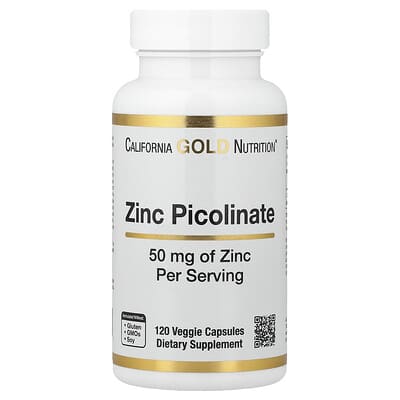
Nutricost lists Zinc Picolinate Capsules with 50 mg of zinc from zinc picolinate per serving, vegetarian capsules, non-GMO and gluten-free claims, and GMP-compliant manufacturing.
Best for: people looking for a straightforward oral zinc supplement rather than zinc oxide powder.
Related Option: Myprotein Zinc & Magnesium Capsules
Myprotein lists Zinc & Magnesium Capsules as a mineral blend with zinc, magnesium, vitamin B6 and copper. This is a sports-nutrition style option rather than a zinc oxide product.
Best for: active users looking for zinc with magnesium and vitamin B6.
Bulk lists OptiZinc Tablets as a zinc supplement using a highly bioavailable zinc form. The product page states that each tablet provides 6 mg of zinc and recommends taking one tablet per day with food.
Best for: people who want a lower-dose zinc supplement rather than a high-dose zinc capsule.
Related Option: Dr. Berg Zinc with Magnesium, Vitamin D3 and Selenium
Dr. Berg lists Zinc with Magnesium, Vitamin D3 and Selenium as a multi-nutrient formula with 30 mg of zinc per serving, plus vitamin D3, B6, folate, magnesium, selenium and copper. The page describes the zinc as amino-acid chelated.
Best for: people wanting zinc as part of a broader immune and mineral formula.
International delivery note: Delivery options, customs rules and supplement import restrictions vary by country. Before ordering, check the merchant’s checkout page, product classification, shipping availability, duties, taxes and ingredient restrictions for your location.
Topical Uses of Zinc Oxide
1. Mineral Sunscreen Ingredient
Zinc oxide is widely used in mineral sunscreens. In a finished sunscreen formula, zinc oxide helps provide UV protection. However, a loose zinc oxide powder is not the same as a tested sunscreen product.
For real sun protection, choose a finished sunscreen with a clear SPF rating and broad-spectrum claim. Do not rely on homemade sunscreen recipes unless the finished product has been properly tested.
2. Barrier Creams
Zinc oxide is commonly used in barrier creams because it can help form a protective layer on the skin. This is why it appears in many nappy rash creams and skin-protective ointments.
3. Sensitive Skin Products
Many people look for zinc oxide because mineral sunscreens may suit sensitive skin better than some chemical sunscreen filters. However, any skincare ingredient can irritate some people, especially if the formula contains fragrances, preservatives or other actives.
4. DIY Skincare Formulations
Pure zinc oxide powder may be used by experienced formulators in creams, balms, mineral makeup or skin-protective products. If you are new to formulation, use caution. Powder dispersion, particle size, concentration and final product stability all matter.
How to Choose a Zinc Oxide Product
1. Check the Intended Use
Before buying, check whether the product is intended for skincare formulation, sunscreen, food, industrial use or oral supplementation. Do not assume that all zinc oxide products are interchangeable.
2. Look for Purity Information
If you are buying zinc oxide powder, look for clear purity details such as 100% zinc oxide, no fillers, non-GMO or third-party testing claims where available.
3. Check Whether It Is Nano or Non-Nano
Some zinc oxide powders and sunscreens use nano-sized particles, while others use non-nano zinc oxide. If this matters to you, check the product page carefully. Do not assume “mineral” automatically means non-nano.
4. Do Not Make SPF Claims Without Testing
Adding zinc oxide powder to a lotion does not automatically create a reliable sunscreen. SPF depends on the final tested formula, not just the amount of zinc oxide added.
5. Avoid Inhaling the Powder
Loose mineral powders can be irritating if inhaled. When handling zinc oxide powder, avoid creating dust, keep it away from children and pets, and follow the safety instructions on the product label.
6. Choose Oral Zinc Separately
If you want dietary zinc support, choose a product specifically labelled as an oral zinc supplement. Compare zinc picolinate, zinc gluconate, OptiZinc or zinc mineral blends rather than using zinc oxide powder.
Who Should Be Careful With Zinc Oxide or Zinc Supplements?
Use extra caution with zinc oxide powder if you:
Have sensitive skin or a history of contact dermatitis
Have asthma or breathing sensitivity and may inhale powders
Are making products for babies or children
Are trying to make homemade sunscreen
Have open wounds, burns or infected skin
Are unsure whether the product is topical, oral or industrial grade
Use extra caution with oral zinc supplements if you:
Already take a multivitamin containing zinc
Take high-dose zinc regularly
Take copper, iron, calcium or magnesium supplements
Take antibiotics or other medicines affected by minerals
Too much oral zinc can cause nausea, vomiting, diarrhoea, headaches and a metallic taste. Long-term excess zinc can also interfere with copper balance. Adults should be careful not to exceed the upper daily zinc limit unless advised by a healthcare professional.
Combines zinc with vitamin D3, selenium, magnesium and copper
Is Zinc Oxide Good for Skin?
Zinc oxide is commonly used in skin-protective products because it can form a barrier on the skin. It is often used in creams designed for irritation, moisture protection and sensitive skin support.
However, the final formula matters. A well-made cream with zinc oxide may be soothing, while a poorly made DIY mixture may be gritty, drying or irritating. Always patch test new skincare products and avoid using homemade formulas on broken, infected or severely irritated skin.
Is Zinc Oxide Good for Sunscreen?
Zinc oxide is one of the best-known mineral sunscreen ingredients. In properly formulated sunscreens, it can help protect against UV rays. But pure zinc oxide powder is not a finished sunscreen.
For sun protection, use a commercial sunscreen with a labelled SPF and broad-spectrum protection. Also use hats, sunglasses, shade and sun-protective clothing, especially during strong UV conditions.
Can You Eat Zinc Oxide Powder?
Do not eat zinc oxide powder unless the exact product is clearly labelled for internal use and provides oral directions. A product sold for skincare formulation or industrial use should not be treated as a dietary supplement.
If your goal is zinc intake, choose a labelled oral zinc supplement such as zinc picolinate, zinc gluconate or another dietary zinc product. Check the dose carefully and avoid stacking multiple zinc products.
Zinc Oxide FAQs
What is zinc oxide?
Zinc oxide is a white mineral compound made from zinc and oxygen. It is commonly used in mineral sunscreens, barrier creams, nappy rash creams, cosmetics and skincare formulations.
Is zinc oxide the same as zinc?
No. Zinc is an essential mineral your body needs in small amounts. Zinc oxide is a compound used in topical products, sunscreens and formulations. Oral zinc supplements usually use forms such as zinc picolinate, zinc gluconate or zinc citrate.
Can zinc oxide be used as sunscreen?
Zinc oxide is used as an active ingredient in many mineral sunscreens. However, loose zinc oxide powder is not the same as a finished, SPF-tested sunscreen product.
Is zinc oxide safe for sensitive skin?
Many people with sensitive skin tolerate zinc oxide well, especially in fragrance-free mineral sunscreen or barrier cream formulas. However, any ingredient can irritate some people, so patch testing is sensible.
Can I make sunscreen with zinc oxide powder?
It is not recommended to rely on homemade sunscreen. SPF protection depends on professional formulation and testing. Mixing zinc oxide into lotion at home does not guarantee even coverage, broad-spectrum protection or a reliable SPF.
Is zinc oxide powder an oral supplement?
Usually no. Zinc oxide powder should only be used according to the product’s intended use. If you want oral zinc support, buy a labelled dietary zinc supplement instead.
Can too much zinc be harmful?
Yes. Too much oral zinc can cause nausea, vomiting, diarrhoea, headaches and copper imbalance. Adults should avoid exceeding the upper daily limit unless advised by a healthcare professional.
Where can I buy zinc oxide from the recommended merchants?
Zinc oxide is worth considering if you are looking for a mineral ingredient for skincare formulation, barrier-style products or mineral sunscreen research. The clearest zinc oxide powder option from the recommended merchant list is Nutricost Pantry Essentials Zinc Oxide.
Bottom line: zinc oxide is mainly a topical and formulation ingredient. Oral zinc support is a different use case and should be handled with properly labelled zinc supplements and sensible dose limits.
Health disclaimer: This article is for general information only and is not medical advice. Zinc oxide powder, skincare ingredients and dietary zinc supplements should be used only as directed on the product label. Dietary supplements and skincare ingredients are not medicines and are not intended to diagnose, treat, cure or prevent disease. Speak with a healthcare professional before using zinc supplements if you take medication, have kidney disease, are pregnant or breastfeeding, or are buying for a child.
Most popular sponsored products
California Gold Nutrition, Defender 4, with Vitamin C, Vitamin D, Zinc & Selenium, 180 Veggie Capsules Offer now available for the California Gold Nutrition, Defender 4, with Vitamin C, Vitamin D, Zinc & Selenium, 180 Veggie Capsules. On sale with world wide delivery. California Gold Nutrition® Defender 4 With Vitamins C and D, Zinc, and Selenium Immune System Support* Formulated without Gluten, GMOs, or Soya Produced…
Thorne, Zinc Bisglycinate, 30 mg, 60 Capsules Thorne Thorne, Zinc Bisglycinate, 30 mg, 60 Capsules. Includes 60 Capsules, 30 mg. Check current details, price and availability at iHerb.
21st Century, Chelated Zinc, 50 mg, 60 Tablets 21st Century 21st Century, Chelated Zinc, 50 mg, 60 Tablets. Includes 60 Tablets, 50 mg. Check current details, price and availability at iHerb.
Quick take: iHerb makes it easy to browse supplements, protein, wellness products, and healthy pantry staples in one place. It’s a handy option for comparing ingredients, brands, and customer reviews before choosing what suits your goals.
Quick take: iHerb makes it easy to browse supplements, protein, wellness products, and healthy pantry staples in one place. It’s a handy option for comparing ingredients, brands, and customer reviews before choosing what suits your goals.