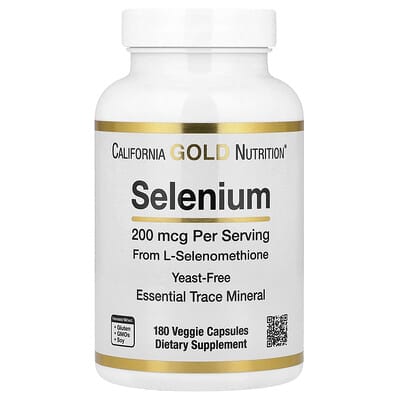
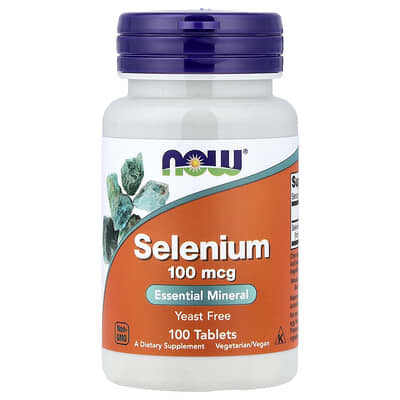
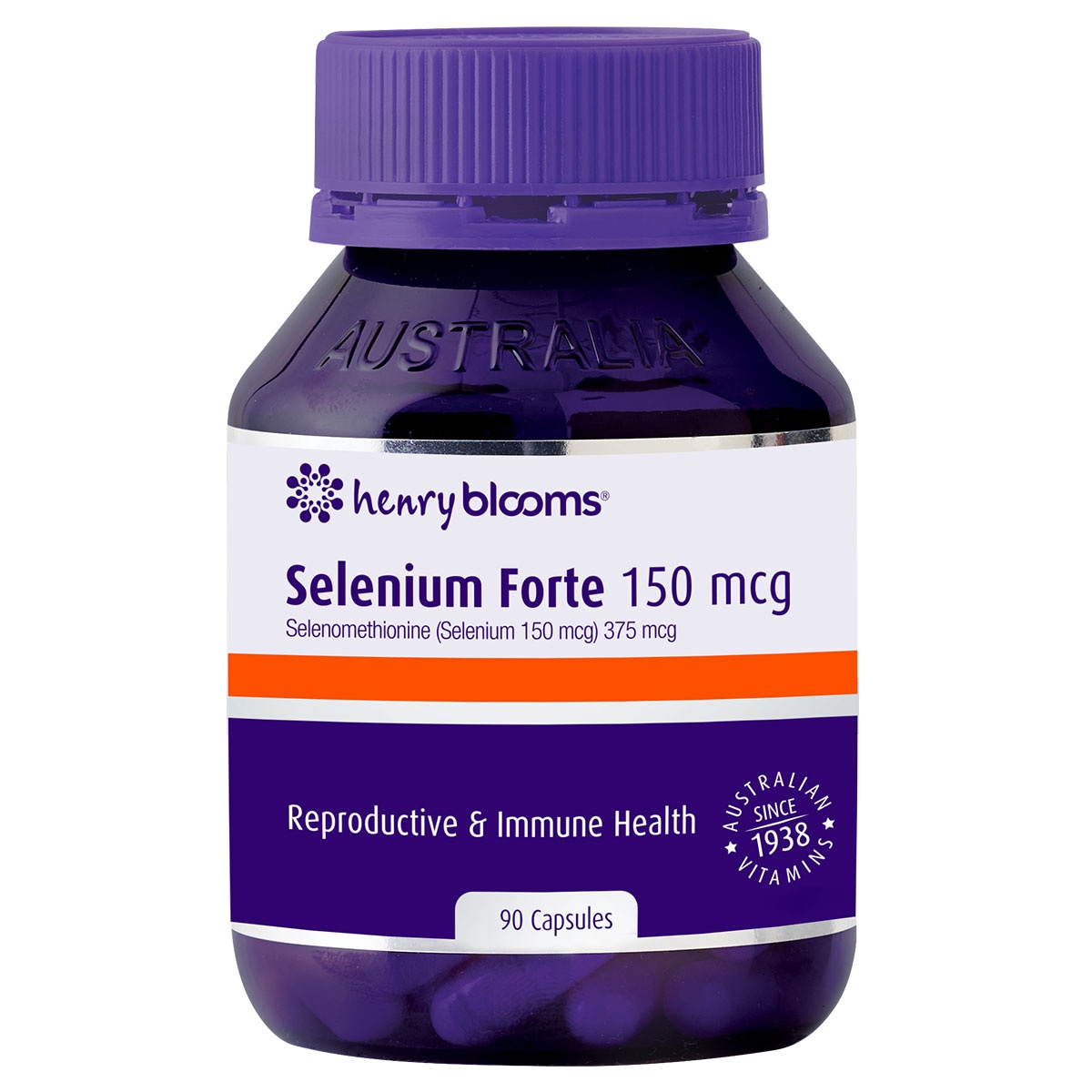
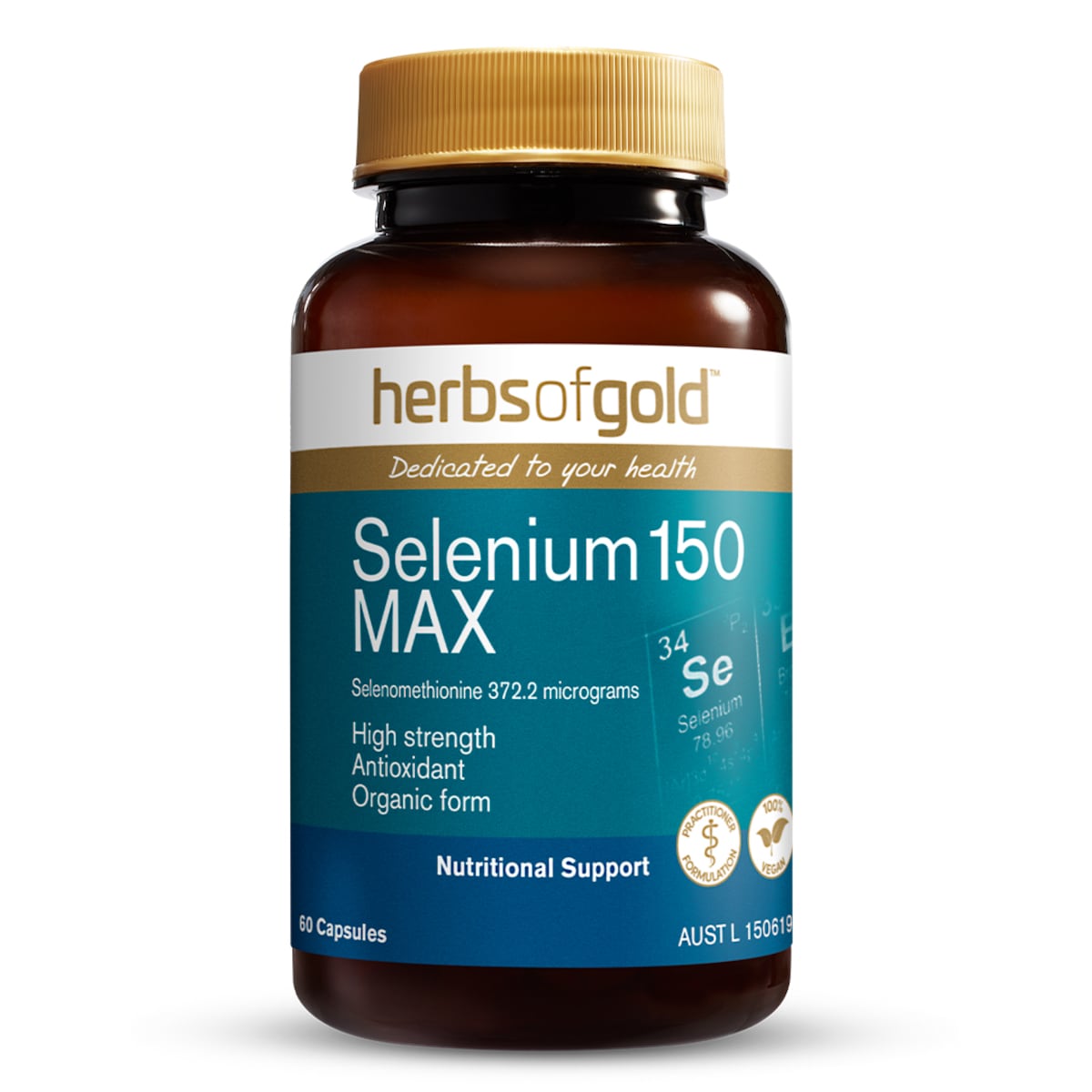
Selenium is an essential trace mineral that men need in small amounts for normal health. It is often promoted for thyroid support, immunity, antioxidant protection, male fertility, and prostate health.
Some of those uses have a real scientific basis, but selenium is also easy to overhype. The key point is that selenium helps support normal body function. That is not the same thing as saying that extra selenium will automatically improve fertility, prevent prostate cancer, or boost overall male vitality.
If you are thinking about taking selenium, it helps to understand what it clearly does, when supplements may make sense, and why too much can become a problem.
Selenium is a nutrient the body needs to stay healthy. It is involved in thyroid hormone metabolism, reproduction, DNA production, and protection against oxidative damage and infection.
Selenium is naturally present in many foods and is also available as a dietary supplement. Because it is needed only in small amounts, more is definitely not always better.
Why Men Take Selenium
Men usually take selenium for one or more of these reasons:
These are understandable reasons, but the evidence is not equally strong for all of them. Selenium is clearly important for normal health, but that does not mean supplementation is always helpful in men who already get enough.
What Selenium Clearly Does
Selenium is a component of several important proteins in the body called selenoproteins. These proteins play critical roles in thyroid hormone metabolism, DNA synthesis, reproduction, and protection from oxidative damage and infection.
For men, that makes selenium relevant to general health, especially thyroid function and reproductive biology. But the safest way to think about it is as a necessary nutrient, not as a miracle men’s-health supplement.
Selenium and Male Fertility
Selenium is an important nutrient for healthy sperm, which is one reason it appears in many male fertility supplements. However, official NIH sources say it is still unclear whether selenium supplements improve sperm quality, and more research is needed to know whether supplementation affects male fertility.
That means selenium adequacy matters, but selenium supplements should not be treated as a proven stand-alone fertility fix. If fertility is a concern, proper assessment is far more important than guessing with supplements alone.
Selenium and Prostate Cancer
Selenium is often marketed to men for prostate support, but this is one area where the evidence is especially important to understand clearly. Large National Cancer Institute summaries say the results of selenium studies for prostate cancer prevention have been mixed, and a major randomized trial found that selenium had no effect on preventing prostate cancer.
In other words, selenium should not be presented as a proven supplement for preventing prostate cancer. Men using it for that reason should be especially cautious about relying on marketing claims.
How Much Selenium Men Need
Adult men generally need 55 micrograms of selenium per day. The tolerable upper intake level for adults is 400 micrograms per day unless a clinician advises otherwise.
That upper limit matters because selenium can become toxic if intake gets too high. This is one of those nutrients where a little is essential, but a lot can cause harm.
Food Sources and Supplements
Selenium is found in many foods, including seafood, meat, poultry, eggs, grains, and dairy foods. Brazil nuts are especially rich in selenium, but the amount can vary a lot depending on where they were grown.
Because food selenium content can vary with soil levels, supplement decisions should not be based only on one food chart or one internet post. Food is still the best starting point for most men unless a clinician suggests otherwise.
Side Effects and Safety
Too much selenium can cause a condition called selenosis. Official health sources list possible signs such as a garlic odor on the breath, a metallic taste in the mouth, hair and nail loss or brittleness, nausea, diarrhea, skin rash, fatigue, irritability, and nervous system problems.
Selenium toxicity is rare, but it is real. That is why high-dose supplementation is not something to treat casually, especially if you also take multivitamins or other combination supplements.
Who Should Be Cautious
Men should be cautious with selenium supplements if they already use multiple supplements or if they are taking medical treatment that could interact with selenium status. Official NIH sources note that cisplatin, a chemotherapy drug, can reduce selenium levels.
If you are being treated for cancer, have thyroid concerns, are trying to address fertility issues, or are already taking a multivitamin, it is smart to check with a doctor or pharmacist before adding extra selenium.
Frequently Asked Questions
Is selenium good for men?
Yes. Selenium is an essential mineral for men and supports normal thyroid function, reproduction, DNA production, and protection against oxidative damage and infection.
How much selenium do men need daily?
Adult men generally need 55 micrograms per day.
Does selenium improve male fertility?
Selenium is important for healthy sperm, but it is still unclear whether selenium supplements improve sperm quality or male fertility.
Does selenium prevent prostate cancer?
No major official source supports that claim. Large studies have found mixed results, and a major randomized trial found selenium did not prevent prostate cancer.
What foods are high in selenium?
Seafood, meat, poultry, eggs, grains, dairy foods, and Brazil nuts can all provide selenium.
Can you take too much selenium?
Yes. Too much selenium can cause selenosis, with symptoms such as garlic breath, metallic taste, hair and nail problems, nausea, diarrhea, fatigue, irritability, and nervous system abnormalities.
Disclaimer
This article is for general information only and is not medical advice. Selenium is an essential nutrient, but supplements are not automatically necessary or safe for everyone. Too much selenium can cause selenosis, including hair and nail problems, nausea, diarrhea, fatigue, irritability, and nervous system issues. Selenium is not a proven way to prevent prostate cancer, and it is not established as a stand-alone treatment for male fertility problems. Always speak with your doctor or pharmacist before starting a selenium supplement, especially if you are trying to conceive, have thyroid disease, are being treated for cancer, take multiple supplements, or have ongoing health concerns.
Final word: For men, selenium matters because it supports normal thyroid and reproductive function, but the best reason to care about it is to meet your needs safely, not to chase exaggerated marketing claims.
Most popular sponsored products
California Gold Nutrition, Defender 4, with Vitamin C, Vitamin D, Zinc & Selenium, 180 Veggie Capsules Offer now available for the California Gold Nutrition, Defender 4, with Vitamin C, Vitamin D, Zinc & Selenium, 180 Veggie Capsules. On sale with world wide delivery. California Gold Nutrition® Defender 4 With Vitamins C and D, Zinc, and Selenium Immune System Support* Formulated without Gluten, GMOs, or Soya Produced…
NOW Foods, Selenium, 100 mcg, 250 Tablets NOW Foods NOW Foods, Selenium, 100 mcg, 250 Tablets. Includes 250 Tablets, 100 mcg. Check current details, price and availability at iHerb.
Thorne, Selenium, 200 mcg, 60 Capsules Thorne Thorne, Selenium, 200 mcg, 60 Capsules. Includes 60 Capsules, 200 mcg. Check current details, price and availability at iHerb.
Quick take: iHerb makes it easy to browse supplements, protein, wellness products, and healthy pantry staples in one place. It’s a handy option for comparing ingredients, brands, and customer reviews before choosing what suits your goals.
Quick take: iHerb makes it easy to browse supplements, protein, wellness products, and healthy pantry staples in one place. It’s a handy option for comparing ingredients, brands, and customer reviews before choosing what suits your goals.