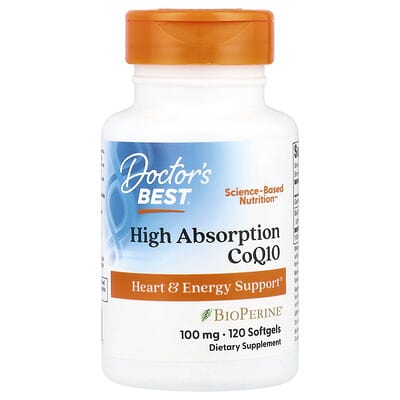
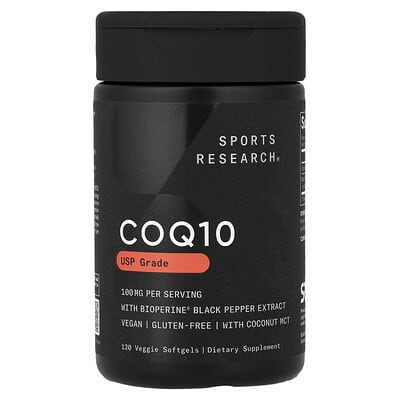
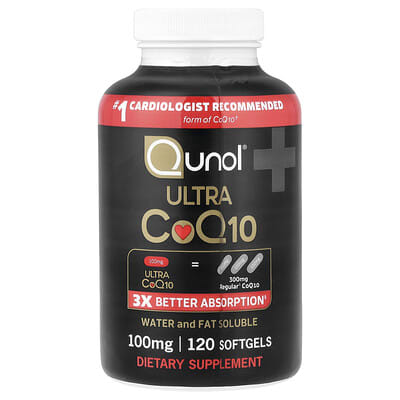
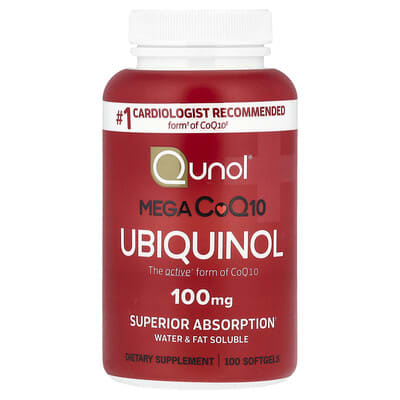
Coenzyme Q10, usually called CoQ10, is a popular supplement in men’s health. It is commonly marketed for energy, heart health, exercise support, healthy aging, fertility, and even relief from statin-related muscle pain.
Some of that interest is understandable, because CoQ10 is a substance your body makes naturally and uses in important cellular processes. But many of the marketing claims go further than the evidence supports. For men, CoQ10 is best viewed as a supplement with some plausible uses and some promising research, not as a proven all-purpose performance or vitality fix.
If you are considering CoQ10, the most useful approach is to understand what it actually does in the body, where the evidence is strongest, and when caution is needed.
CoQ10 is a compound made naturally by the human body. It is present in most tissues, with the highest concentrations found in the heart, liver, kidneys, and pancreas. It is also sold as a dietary supplement.
CoQ10 is sometimes called ubiquinone and is often grouped with antioxidant-style supplements. Even though it is natural and important to the body, that does not automatically mean extra supplementation will help every man.
Why Men Take CoQ10
Men usually take CoQ10 for one or more of these reasons:
to support cellular energy production
to support heart health
to try to ease statin-related muscle pain
to support healthy aging
to try to support male fertility
to add an antioxidant-style supplement to a daily routine
Some of those reasons are more evidence-based than others. The biggest mistake is assuming that because CoQ10 is involved in energy production, taking more will automatically translate into more energy, better gym results, or better men’s health overall.
What CoQ10 Clearly Does
CoQ10 helps cells produce energy and also acts as an antioxidant. Inside the body, it is involved in mitochondrial energy production, which is one reason it attracts so much attention in health and supplement circles.
That basic biological role is real. What is less certain is whether taking extra CoQ10 meaningfully improves everyday energy, exercise performance, or broad wellbeing in otherwise healthy men.
CoQ10 and Heart Health
Heart health is one of the main areas where CoQ10 has been studied. Official NIH sources say that only a few studies have looked at whether CoQ10 might help prevent heart disease, and the results have been inconclusive. Research in heart failure is also described as inconclusive.
At the same time, there is some evidence that CoQ10 may reduce the risk of certain complications of heart surgery. There is also evidence that it may help reduce the risk of heart damage caused by one type of chemotherapy drug. These are more specific and medically supervised contexts than the broad supplement marketing often suggests.
CoQ10 and Statin Muscle Pain
Many men hear about CoQ10 because they take statins or know someone who does. It is often promoted as a way to reduce muscle pain linked to cholesterol-lowering statin drugs.
However, official NIH guidance says the overall scientific evidence does not support the idea that CoQ10 reduces statin-related muscle pain. That does not mean an individual will never feel better while taking it, but it does mean CoQ10 should not be presented as a clearly proven answer for this problem.
CoQ10 and Male Fertility
CoQ10 has also been studied for male infertility, which is one reason it appears in some men’s fertility supplements. At the moment, NIH sources say the research is too limited to draw conclusions.
That means CoQ10 may still interest men exploring fertility support, but it should not be treated as a proven stand-alone solution. If fertility is a concern, proper medical assessment remains far more important than self-prescribing supplements.
Absorption and Study Doses
CoQ10 is absorbed better when taken with fat, and lipid-based preparations are generally better absorbed than the purified compound alone. In human studies, the doses and schedules have varied, but commonly studied amounts have often fallen in the range of about 90 to 390 mg per day.
That does not mean every man should take those amounts on his own. It simply shows the kinds of doses often used in research. More is not automatically better, especially if you take other supplements or medications.
Side Effects and Safety
Official NIH sources say no serious side effects of CoQ10 have been reported, and the side effects that do occur are usually mild. These can include insomnia and digestive upset.
Even so, mild does not mean irrelevant. Any supplement that affects symptoms, sleep, digestion, or medication response deserves some care, especially if taken regularly.
Who Should Be Cautious
CoQ10 may interact with warfarin, insulin, and some cancer treatments. That makes it a supplement men should approach carefully if they use blood thinners, diabetes medications, or are receiving treatment for cancer.
It is also smart to be cautious if you take several supplements at once, because stacking products can make side effects and interactions harder to identify.
Frequently Asked Questions
Is CoQ10 good for men?
It may be useful in some situations, but it is not a proven all-purpose men’s-health supplement. Its strongest official support is tied to its role in cellular energy production and a few specific medical research contexts.
Does CoQ10 help with statin muscle pain?
Official NIH guidance says the overall scientific evidence does not support CoQ10 as a reliable way to reduce statin-related muscle pain.
Can CoQ10 improve male fertility?
CoQ10 has been studied for male infertility, but current NIH sources say the research is too limited to draw conclusions.
Is CoQ10 good for the heart?
Research on heart disease prevention and heart failure has been inconclusive overall, although CoQ10 may help reduce the risk of some complications of heart surgery in specific settings.
What side effects can CoQ10 cause?
Reported side effects are usually mild and can include digestive upset and insomnia.
Should men take CoQ10 with food?
CoQ10 is absorbed better with fat, so it generally makes more sense to take it with a meal or snack that contains some fat.
Disclaimer
This article is for general information only and is not medical advice. CoQ10 is a dietary supplement, not a proven treatment for low energy, statin muscle pain, male infertility, or heart disease prevention. Although serious side effects have not been commonly reported, mild side effects such as insomnia and digestive upset may occur. CoQ10 may interact with warfarin, insulin, and some cancer treatments. Always speak with your doctor or pharmacist before starting CoQ10, especially if you take blood thinners, diabetes medication, statins, or cancer treatment, or if you are trying to address fertility or heart-related concerns.
Final word: For men, CoQ10 is best viewed as a supplement with a real biological role but limited proof for many popular marketing claims. It may be worth discussing in selected situations, but it is not a substitute for proper diagnosis, treatment, or the basics of good health.
Most popular sponsored products
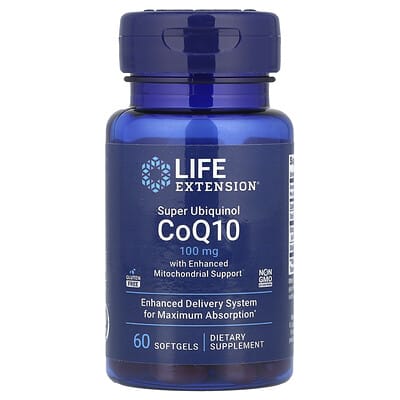
Life Extension, Super Ubiquinol CoQ10 with Enhanced Mitochondrial Support, 30 Softgels Offer now available for the Life Extension, Super Ubiquinol CoQ10 with Enhanced Mitochondrial Support, 30 Softgels. On sale with world wide delivery. Gluten-free Non-GMO LE Certified Enhanced Delivery System for Maximum Absorption Food Supplement Made with Quality Q+ ® , Kaneka Ubiquinol™ What Is Super Ubiquinol CoQ10? CoQ10 is essential…
Quick take: iHerb makes it easy to browse supplements, protein, wellness products, and healthy pantry staples in one place. It’s a handy option for comparing ingredients, brands, and customer reviews before choosing what suits your goals.
Quick take: iHerb makes it easy to browse supplements, protein, wellness products, and healthy pantry staples in one place. It’s a handy option for comparing ingredients, brands, and customer reviews before choosing what suits your goals.