Probiotics are often marketed as a simple answer for bloating, gut health, immunity, and general wellbeing. For men, they are commonly sold as part of digestive support, post-antibiotic recovery, and daily wellness routines.
There is some real science behind probiotics, but they are also widely over-marketed. The biggest thing to understand is that probiotics are not one single ingredient. Different strains can behave differently, and a product that helps one condition may do nothing for another.
If you are thinking about taking a probiotic, the most useful approach is to understand what probiotics are, where the evidence is strongest, and why the right question is not “Are probiotics good?” but “Which probiotic, for what problem, in which person?”
Probiotics are live microorganisms that are intended to have health benefits when consumed in adequate amounts. Many of the microorganisms used in probiotic products are the same as or similar to microbes that naturally live in the human body.
That does not mean every probiotic works the same way. Different probiotics can have different effects, and one strain cannot automatically be assumed to do the same thing as another, even if they belong to the same broad group.
Why Men Take Probiotics
Men usually take probiotics for one or more of these reasons:
to support digestive comfort
to try to reduce bloating or gas
to use during or after antibiotics
to support general gut health
to experiment with a daily wellness routine
Those are understandable reasons, but the evidence is not equally strong across all of them. Probiotics make more sense when linked to a specific problem than when used as a vague “gut reset” product.
What Probiotics May Help With
Official reviews say probiotics have shown promise for several health purposes, including prevention of antibiotic-associated diarrhea and support in some gastrointestinal conditions. But those same sources also say that in most situations we still do not know exactly which probiotics are helpful, how much is needed, or who is most likely to benefit.
That is why probiotics are best thought of as targeted tools rather than broad miracle supplements.
Probiotics After Antibiotics
This is one of the better-supported uses of probiotics. Research summarized by NCCIH suggests that taking probiotics along with antibiotics may reduce the likelihood of antibiotic-associated diarrhea in people who are not hospitalized. Some evidence also suggests probiotics can reduce the risk of Clostridioides difficile diarrhea in adults and children receiving antibiotics.
Even here, the details matter. The benefit has been clearer in younger and middle-aged adults than in older adults, where evidence has been less convincing. That means probiotics may be worth considering during antibiotic use, but they are not a guaranteed answer for every man taking antibiotics.
Probiotics for IBS and Bloating
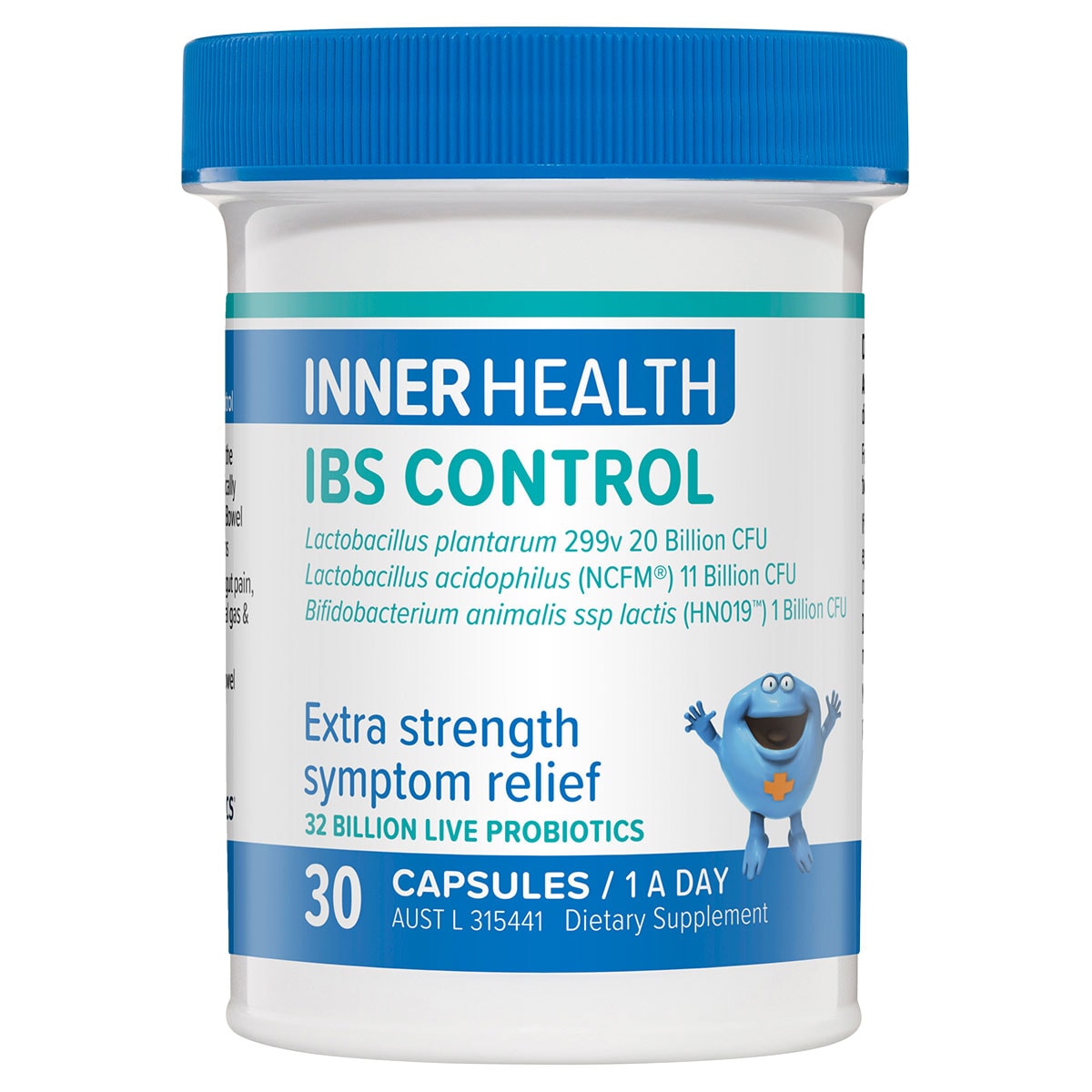
Many men reach for probiotics because of bloating, gas, irregular bowel habits, or irritable bowel syndrome. Some studies suggest probiotics may help symptoms such as abdominal pain, bloating, and gas, especially when combination products are used. However, the evidence is mixed, and not all guidelines support probiotics for global IBS symptoms because the overall quality of evidence is still weak.
In practical terms, that means probiotics may help some men with IBS-type symptoms, but they should be viewed as a trial option rather than a dependable fix.
What Probiotics Do Not Clearly Do
Probiotics are often marketed as if they can broadly improve immunity, energy, skin, mood, performance, and men’s vitality all at once. Official sources do not support that level of certainty.
There is no solid basis for treating probiotics as a general male-performance supplement, a testosterone aid, or a universal solution for every gut symptom. They may help in selected situations, but they are not a shortcut around diet, sleep, exercise, and proper medical care.
Common Types of Probiotics
Many probiotic products contain bacteria from the Lactobacillus and Bifidobacterium groups. Some products also contain the yeast Saccharomyces boulardii.
That can make shopping confusing because two products may both say “probiotic” on the label while containing very different organisms. A broad name alone is not enough to predict a result.
Side Effects and Safety
In generally healthy people, probiotics have a long history of apparently safe use. When side effects happen, they are usually mild digestive symptoms such as gas. However, safety information is not as complete as many people assume, because relatively few studies have looked at probiotic side effects in detail.
There are also quality concerns. Some probiotic products have been reported to contain microorganisms other than those listed on the label. In some cases, those contaminants may pose serious health risks.
Who Should Be Cautious
Probiotics are not a casual supplement for every man. The risk of harmful effects is greater in people who are seriously ill or who have compromised immune systems. Possible harms include infections, production of harmful substances by probiotic microorganisms, and transfer of antibiotic resistance genes to other microorganisms in the digestive tract.
If you are an older adult with major medical problems, have a weakened immune system, have recently been hospitalized, or have a complex gastrointestinal condition, it is smarter to talk with a clinician before starting probiotics.
How to Choose a Probiotic
The best way to choose a probiotic is to match it to a clear reason for using it. A man taking antibiotics may think about probiotics differently from a man trying to manage IBS-type bloating.
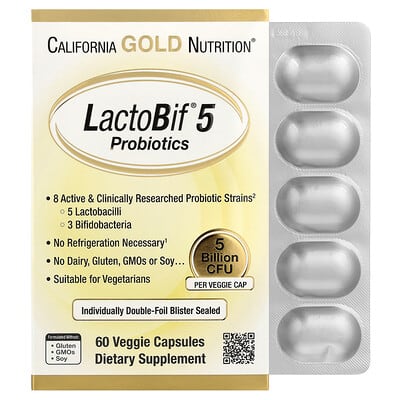
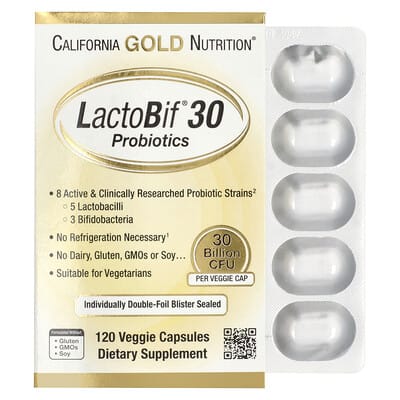
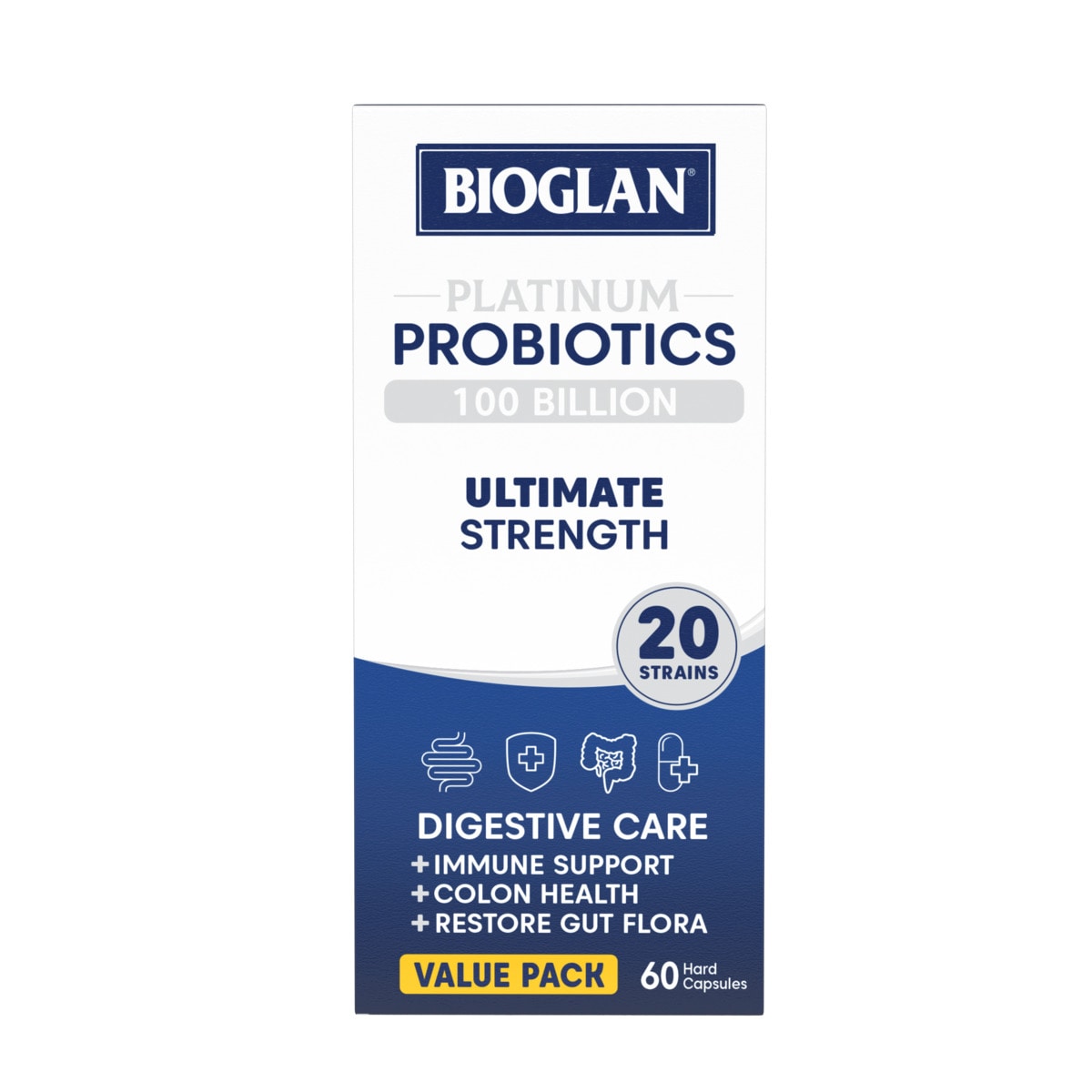
Instead of looking for the most expensive or highest-count product, look for a product that clearly identifies the organisms it contains and be realistic about what it may or may not do. If you try one, it makes sense to monitor symptoms rather than assuming more strains or more capsules are always better.
Frequently Asked Questions
Are probiotics good for men?
They can be helpful in some situations, especially for specific digestive issues such as antibiotic-associated diarrhea. But they are not a universal wellness supplement for every man.
Can probiotics help after antibiotics?
Yes, some evidence suggests probiotics may reduce the risk of antibiotic-associated diarrhea, although the benefit appears clearer in younger and middle-aged adults than in older adults.
Do probiotics help with bloating?
They may help some men with bloating or IBS-type symptoms, but the evidence is mixed and strain-specific. They are better treated as a trial option than a guaranteed fix.
What is the best probiotic for men?
There is no single best probiotic for all men. Different strains can have different effects, so the right choice depends on the specific reason for using it.
Are probiotics safe to take every day?
Many healthy people tolerate them well, but long-term safety is not equally well studied for all products. Safety also depends on the person, the strain, and overall health status.
Who should avoid probiotics without medical advice?
Men who are seriously ill, immunocompromised, recently hospitalized, or medically complex should not self-prescribe probiotics casually without clinical advice.
Disclaimer
This article is for general information only and is not medical advice. Probiotics may help with selected digestive issues, but they are not proven to help every symptom or every person. Different probiotic strains can have different effects, and some products may not contain exactly what their labels suggest. In healthy people, side effects are usually mild digestive symptoms such as gas, but more serious harms, including infections, have been reported in people who are seriously ill or immunocompromised. Always speak with your doctor or pharmacist before starting a probiotic, especially if you have ongoing digestive symptoms, blood in the stool, unexplained weight loss, fever, severe diarrhea, immune suppression, recent hospitalization, or you take regular prescription medication.
Final word: For men, probiotics can be useful in selected situations, particularly around antibiotics and some digestive complaints, but they are not a one-size-fits-all gut solution. The smarter approach is to match the probiotic to the problem and keep expectations realistic.
Quick take: iHerb makes it easy to browse supplements, protein, wellness products, and healthy pantry staples in one place. It’s a handy option for comparing ingredients, brands, and customer reviews before choosing what suits your goals.
Quick take: iHerb makes it easy to browse supplements, protein, wellness products, and healthy pantry staples in one place. It’s a handy option for comparing ingredients, brands, and customer reviews before choosing what suits your goals.