Vitamin C is one of the best-known nutrients in the supplement world. For men, it is commonly promoted for immunity, energy, workout recovery, antioxidant support, and general wellness. Some of those claims have a solid nutritional basis, while others are often overstated.
The strongest evidence-based reasons to care about vitamin C are simple. It helps the body make collagen, supports wound healing, improves the absorption of iron from plant foods, and helps the immune system work properly. That makes it important for normal health, but it does not mean large doses automatically provide extra benefit.
If you are thinking about taking vitamin C, the most useful approach is to understand what it clearly does, when supplements may make sense, and why more is not always better.
Vitamin C, also known as ascorbic acid, is a water-soluble nutrient found in foods and dietary supplements. It acts as an antioxidant and helps protect cells from damage caused by free radicals.
Because the human body cannot make vitamin C, it has to come from food or supplements. That makes it an essential nutrient rather than an optional extra.
Why Men Take Vitamin C
Men usually take vitamin C for one or more of these reasons:
to support immune function
to support collagen production and wound healing
to improve iron absorption from plant-based meals
to try to reduce cold symptoms
to cover dietary gaps
These are more realistic reasons to think about vitamin C than exaggerated promises about energy or sports performance.
What Vitamin C Clearly Does
Vitamin C helps the body make collagen, a protein needed for connective tissue and wound healing. It also improves the absorption of nonheme iron, the form of iron found in plant-based foods, and helps the immune system function properly.
It also acts as an antioxidant, which is one reason it is often discussed in general wellness. But the practical takeaway for men is still basic: vitamin C helps support normal body function, especially tissue repair, iron absorption, and immune health.
Vitamin C and the Common Cold
Vitamin C is probably the most famous cold supplement, but the evidence is more limited than many people expect. For most people, regular vitamin C supplements do not reduce the risk of getting a cold.
However, men who take vitamin C regularly may have slightly shorter colds or somewhat milder symptoms when they do get sick. Taking vitamin C only after cold symptoms start does not appear to help much.
There is one notable exception. In people exposed to extreme physical exercise or cold environments, regular vitamin C use has been associated with a lower incidence of colds.
Vitamin C and Performance Marketing
Vitamin C is sometimes sold as part of men’s performance or recovery stacks. But official sports-supplement guidance says there is little scientific evidence that vitamin C supplements improve athletic performance when a person already gets adequate amounts from a nutritious diet.
That means vitamin C is better viewed as a nutrient that supports health than as a proven performance enhancer for healthy men.
Who Might Need More Attention to Vitamin C
Some men are more likely than others to have trouble getting enough vitamin C. Official sources identify smokers, people exposed to secondhand smoke, people who eat a very limited variety of food, and people with severe malabsorption or certain chronic diseases as higher-risk groups.
Vitamin C deficiency is uncommon in developed countries, but it still happens. Severe deficiency causes scurvy, which can lead to fatigue, inflamed gums, small red or purple skin spots, joint pain, poor wound healing, and corkscrew hairs.
How Much Vitamin C Men Need
Adult men generally need 90 mg of vitamin C per day. Men who smoke need an extra 35 mg per day because smoking increases the body’s vitamin C needs.
Those numbers reflect average daily needs, not a goal of taking megadoses. Most men can meet these needs through food.
Food Sources and Supplements
Fruits and vegetables are the best sources of vitamin C. Good examples include citrus fruits and their juices, red and green peppers, kiwifruit, broccoli, strawberries, cantaloupe, baked potatoes, and tomatoes.
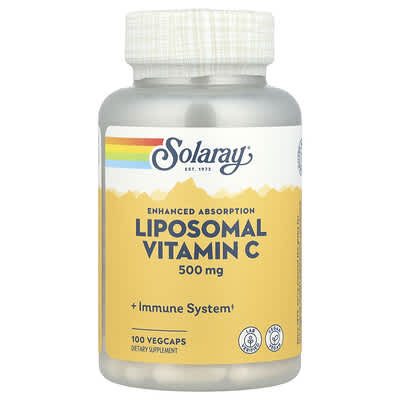
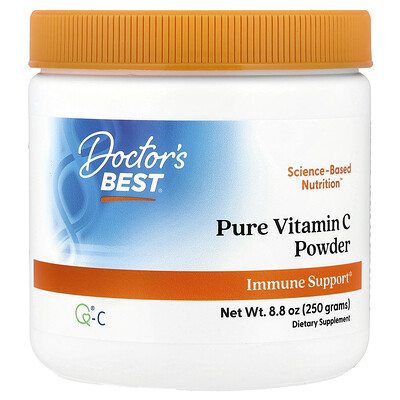
Most multivitamins contain vitamin C, and standalone vitamin C supplements are usually sold as ascorbic acid. Other forms exist, but research has not shown that one form is clearly better than another.
Side Effects and Safety
Vitamin C has relatively low toxicity, but high supplemental intakes can still cause problems. Common side effects include diarrhea, nausea, and stomach cramps.
For adults, the upper intake level is 2,000 mg per day from all sources. Higher long-term intakes may increase the risk of adverse effects.
High intakes may also increase urinary oxalate and could contribute to kidney stone formation in some people, especially those with kidney disorders or pre-existing hyperoxaluria. In men with hereditary hemochromatosis, high-dose vitamin C can worsen iron overload.
Medication Interactions
Vitamin C supplements can interact with certain medications and treatments. Official sources note potential issues with chemotherapy and radiation therapy, and one study found that vitamin C combined with other antioxidants reduced the heart-protective effects of a statin-plus-niacin regimen.
If you are on cancer treatment, cholesterol treatment, or other regular medications, it is worth checking with your doctor or pharmacist before taking high-dose vitamin C.
Frequently Asked Questions
Is vitamin C good for men?
Yes. Vitamin C is essential for men because it supports collagen production, wound healing, iron absorption, antioxidant protection, and immune function.
How much vitamin C do men need daily?
Adult men generally need 90 mg per day. Men who smoke need an extra 35 mg per day.
Does vitamin C help prevent colds?
Not for most people. Regular vitamin C supplements do not appear to reduce the risk of getting a cold in the general population, although they may slightly shorten colds or make symptoms a bit milder.
Does taking vitamin C after a cold starts help?
Research suggests it usually does not. Starting vitamin C only after symptoms begin does not appear to meaningfully change cold duration or severity.
What foods are high in vitamin C?
Good sources include oranges, grapefruit, kiwifruit, red and green peppers, broccoli, strawberries, cantaloupe, baked potatoes, and tomatoes.
Can men take too much vitamin C?
Yes. High doses can cause diarrhea, nausea, and stomach cramps, and may be a concern in men with kidney stone risk or hereditary hemochromatosis.
Disclaimer
This article is for general information only and is not medical advice. Vitamin C is an essential nutrient, but supplements are not automatically necessary or safe for everyone. High intakes can cause digestive side effects and may be inappropriate in some people, including those with kidney stone risk or hereditary hemochromatosis. Vitamin C can also interact with some medications and cancer treatments. Always speak with your doctor or pharmacist before starting a high-dose vitamin C supplement, especially if you have kidney disease, iron overload, cancer, or take regular prescription medication.
Final word: For men, vitamin C matters because it supports normal repair, immunity, and nutrient absorption. The smartest reason to care about it is to meet your needs consistently and safely, not to rely on megadoses or exaggerated marketing claims.
Most popular sponsored products
California Gold Nutrition, Defender 4, with Vitamin C, Vitamin D, Zinc & Selenium, 180 Veggie Capsules Offer now available for the California Gold Nutrition, Defender 4, with Vitamin C, Vitamin D, Zinc & Selenium, 180 Veggie Capsules. On sale with world wide delivery. California Gold Nutrition® Defender 4 With Vitamins C and D, Zinc, and Selenium Immune System Support* Formulated without Gluten, GMOs, or Soya Produced…
Quick take: iHerb makes it easy to browse supplements, protein, wellness products, and healthy pantry staples in one place. It’s a handy option for comparing ingredients, brands, and customer reviews before choosing what suits your goals.
Quick take: iHerb makes it easy to browse supplements, protein, wellness products, and healthy pantry staples in one place. It’s a handy option for comparing ingredients, brands, and customer reviews before choosing what suits your goals.