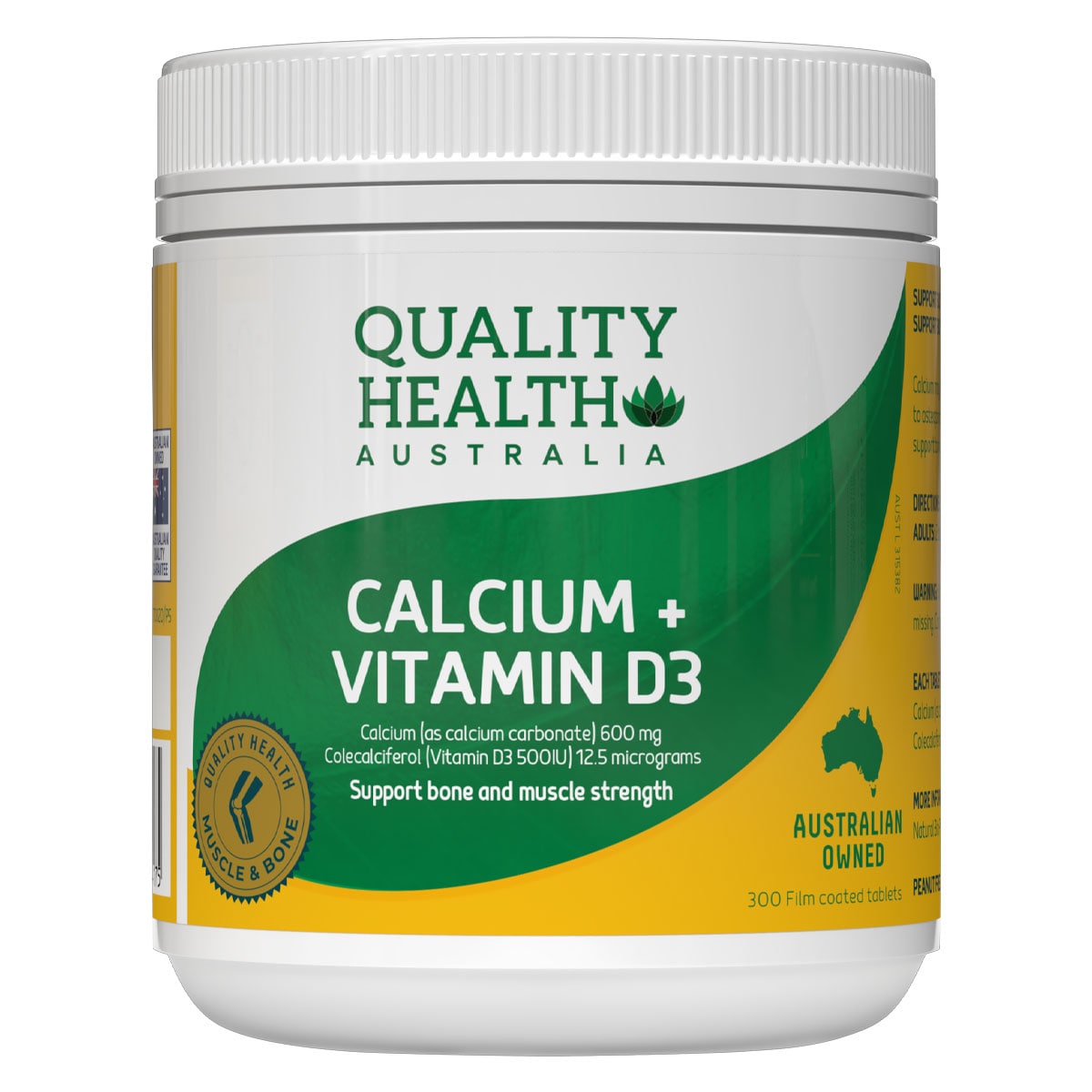
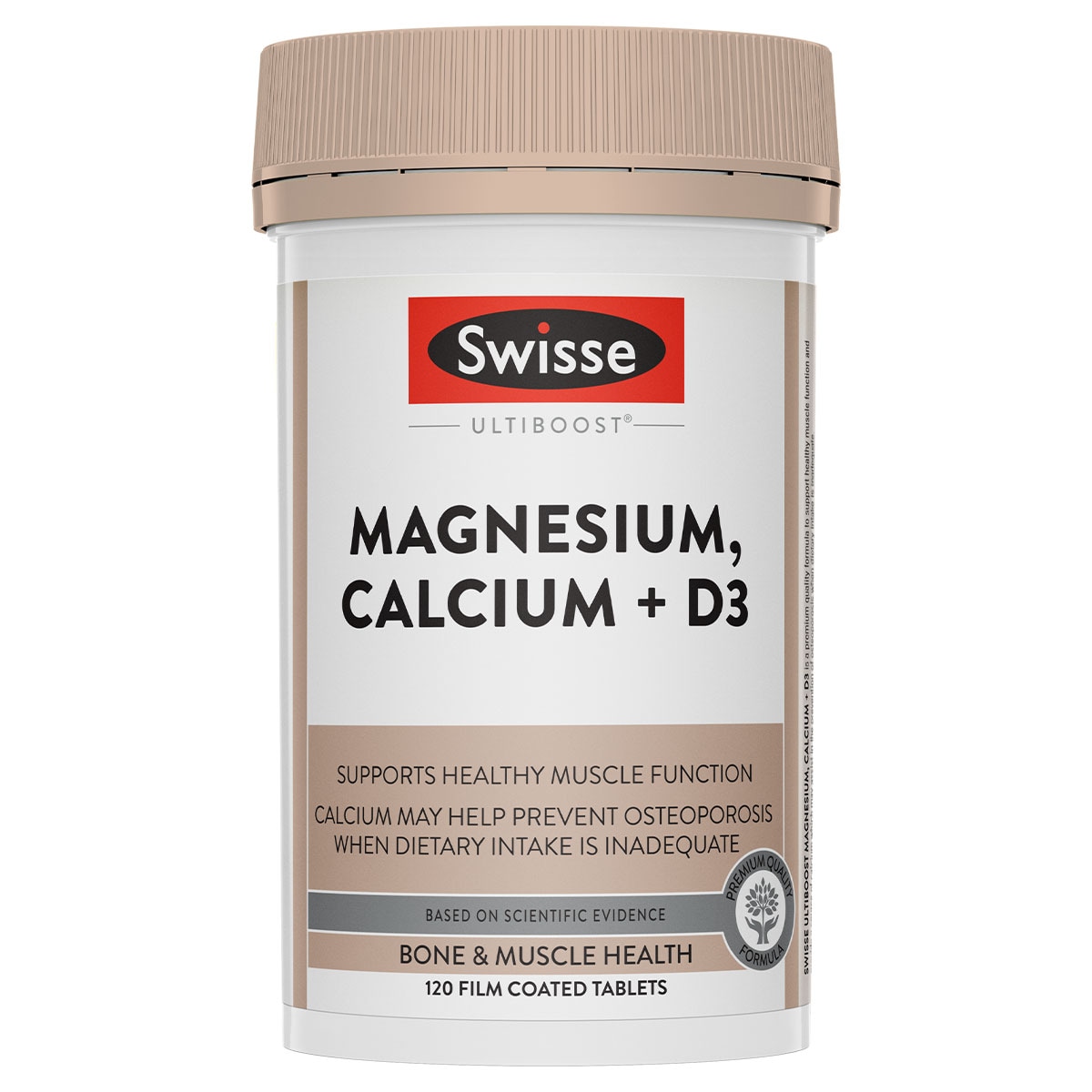
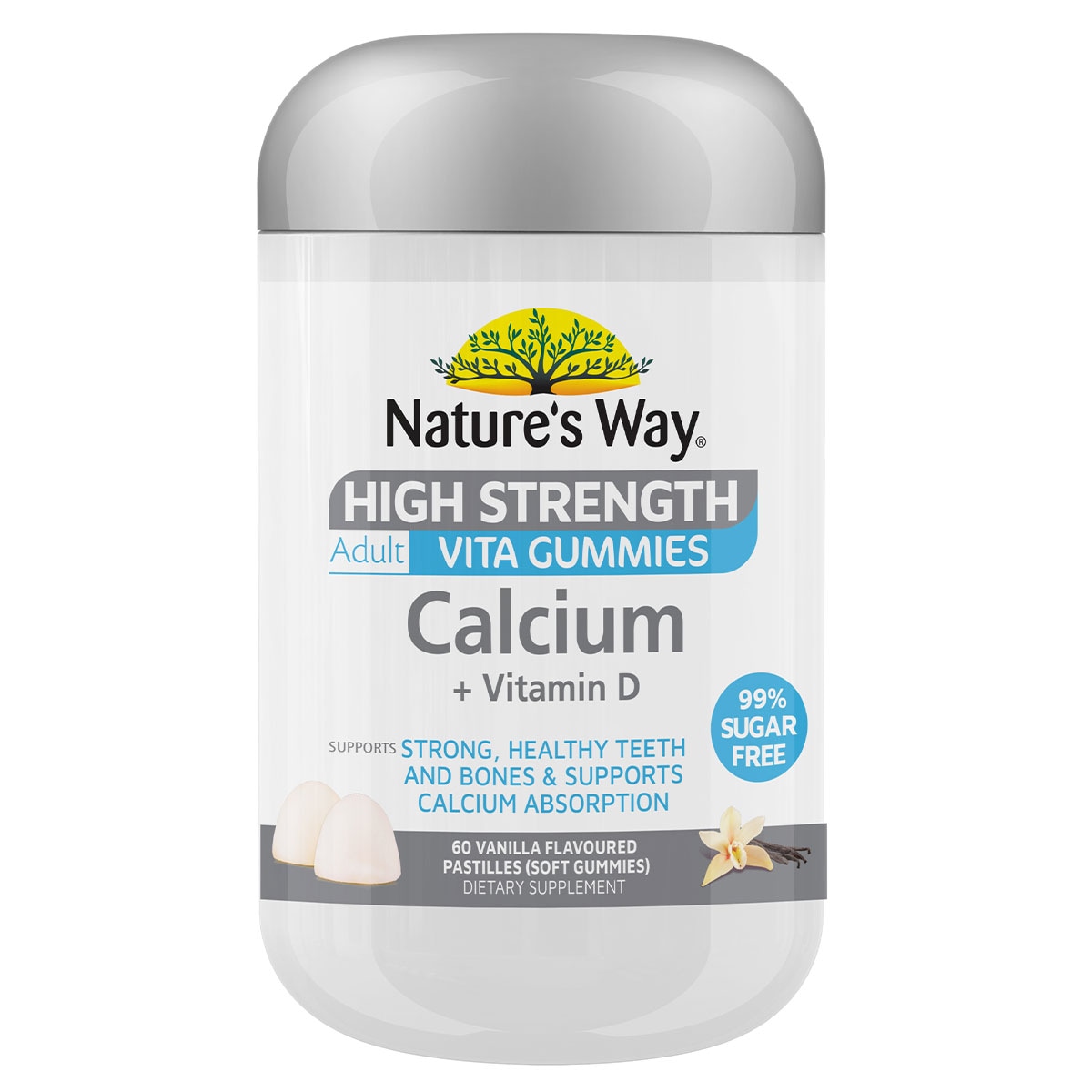
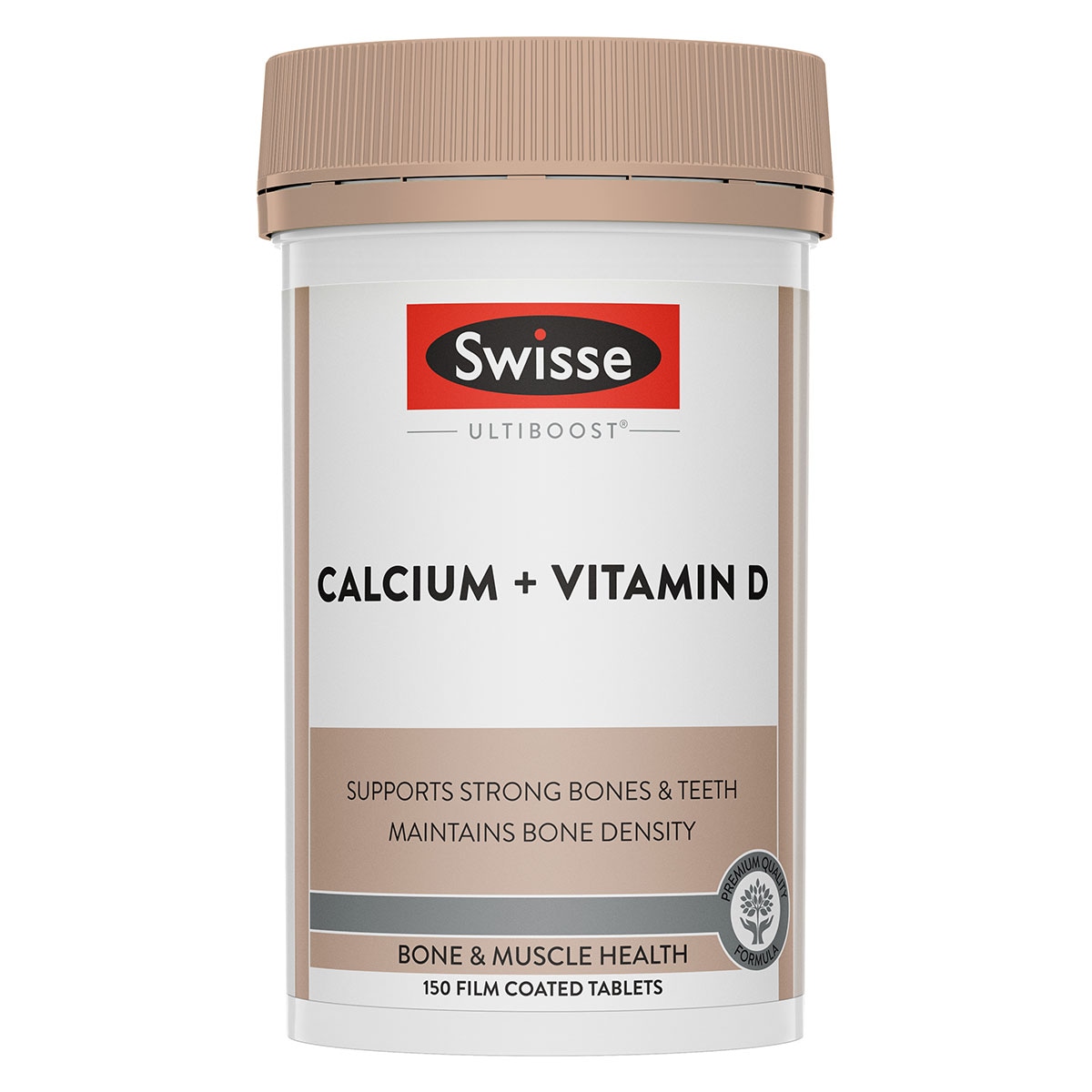
Calcium + Vitamin D3 Supplement Guide: Benefits, Uses, Safety and Where to Buy
Calcium + Vitamin D3 supplements combine two nutrients that work closely together for bone, teeth, muscle and general health. Calcium is a major structural mineral in bones and teeth, while vitamin D3 helps the body absorb and use calcium properly.
Quick take: iHerb makes it easy to browse supplements, protein, wellness products, and healthy pantry staples in one place. It’s a handy option for comparing ingredients, brands, and customer reviews before choosing what suits your goals.
These supplements are commonly used by adults who do not get enough calcium from food, people with low vitamin D, older adults, postmenopausal women, people with limited sun exposure, and those advised by a healthcare professional to support bone health.
It is important to keep the claims realistic. Calcium + Vitamin D3 can help fill nutrient gaps, but it is not a cure for osteoporosis, arthritis, fractures, muscle cramps, poor sleep or joint pain. Bone health depends on calcium, vitamin D, protein, exercise, hormones, age, medication history and overall health.
Affiliate disclosure: This article may contain merchant links. If you purchase through a link, we may earn a commission at no extra cost to you. iHerb has been included at the reader’s request, although its affiliate cookie period may be shorter than the original merchant filter. Always check the product label, dose, serving size, allergens, shipping availability and import rules for your country before buying any supplement.
Quick Answer: What Is Calcium + Vitamin D3?
Calcium + Vitamin D3 is a supplement combination designed to support calcium intake and vitamin D status. Calcium provides the mineral your body uses for bones, teeth, muscles and nerves. Vitamin D3 helps your body absorb calcium from the gut and maintain normal calcium levels in the blood.
People commonly use Calcium + Vitamin D3 for:
Bone and teeth support
Low dietary calcium intake
Limited sun exposure
Older adult bone-health routines
Postmenopausal bone support
Osteopenia or osteoporosis support when advised by a healthcare professional
General mineral and vitamin D supplementation
The best product depends on your diet, age, vitamin D status, calcium intake, kidney health, medications and whether you prefer tablets, capsules, softgels, gummies or chewables.
People use Calcium + Vitamin D3 supplements to help fill gaps when diet, sunlight exposure or absorption are not enough. Calcium is essential for bones and teeth, while vitamin D3 helps the body absorb calcium and supports normal bone mineralisation.
Common reasons people consider this supplement include:
Low calcium intake: common in people who avoid dairy or do not eat calcium-fortified foods.
Low vitamin D: more likely with limited sun exposure, darker skin, covering clothing, older age or winter climates.
Bone-health support: especially in older adults or people advised to support bone density.
Postmenopausal support: bone loss risk increases after menopause.
Vegetarian or restricted diets: some diets may fall short on calcium or vitamin D.
Osteoporosis treatment support: calcium and vitamin D are often used alongside, not instead of, prescribed osteoporosis care.
Food should come first where possible. Calcium-rich foods include milk, yoghurt, cheese, calcium-fortified plant milks, calcium-set tofu, sardines with bones, canned salmon with bones, kale, bok choy, almonds and fortified cereals. Vitamin D can come from sunlight, oily fish, eggs, fortified foods and supplements.
How Calcium and Vitamin D3 Work Together
Calcium and vitamin D3 are often combined because vitamin D helps your body absorb calcium. Without enough vitamin D, calcium absorption may be poorer, even if calcium intake looks adequate on paper.
Calcium + Vitamin D3 is most useful when it matches your actual needs. Taking a supplement when you already get plenty of calcium and vitamin D may not provide extra benefit and may increase the risk of over-supplementing.
Where to Buy Calcium + Vitamin D3 From Recommended Merchants
Using the updated recommended merchant list, the clearest Calcium + Vitamin D3 options are from Nutricost, Myprotein, Bulk and iHerb. iHerb has been included because you asked to add it to the merchant list, but it should be treated as an exception to the original cookie-period rule.
Nutricost lists Calcium + Vitamin D3 Tablets with 1,200 mg of calcium and 50 mcg of vitamin D per serving. The product page also lists 240 tablets per bottle, two tablets per serving, gluten-free, non-GMO, third-party testing and GMP-compliant manufacturing.
Best for: people wanting a high-dose calcium and vitamin D3 tablet from a general supplement supplier.
Important note: this is a higher calcium amount per serving, so check how much calcium you already get from food before using it daily.
Recommended Merchant Option: Nutricost Women Calcium + Vitamin D3
Nutricost also lists a Women Calcium + Vitamin D3 product with 600 mg calcium and 12.5 mcg vitamin D3 per serving. The page lists 180 capsules, 60 servings, gluten-free, non-GMO, third-party testing and vegan-friendly claims.
Best for: people wanting a lower-dose calcium and D3 product than the 1,200 mg Nutricost tablet option.
Myprotein lists Calcium & Vitamin D3 Tablets with 800 mg calcium and 5 mcg vitamin D per two-tablet serving. The product page describes the tablets as suitable for vegetarians and recommends two tablets daily.
Best for: people who already use Myprotein and want a simple calcium and D3 tablet from a sports-nutrition merchant.
Bulk lists Calcium + Vitamin D3 + Vitamin K1 Capsules with 200 mg calcium, 1,000 IU vitamin D3 and 50 mcg vitamin K1 per capsule. This is a bone-health formula that adds vitamin K1 rather than providing calcium and D3 alone.
Best for: people wanting a lower-calcium capsule that also includes vitamin D3 and vitamin K1.
Important note: people taking blood-thinning medication such as warfarin should not add vitamin K supplements unless medically advised.
Recommended Merchant Option: iHerb Calcium & Vitamin D Category
iHerb has a dedicated Calcium & Vitamin D category with many brands and formats, including tablets, caplets, softgels, chewables and formulas with added magnesium, vitamin K2 or boron. Brands shown on the category page include Nature Made, 21st Century, Solgar, Citracal, Nature’s Bounty, Solaray and others.
Best for: readers who want broad brand choice, international delivery options and different calcium forms such as carbonate, citrate, gummies, softgels or multi-mineral bone formulas.
Affiliate note: iHerb has been added as requested, but its affiliate cookie period may be shorter than the original “over 14 days” rule.
iHerb Example Product: 21st Century 600+D3 Calcium & Vitamin D3
iHerb lists 21st Century 600+D3 Calcium & Vitamin D3 Supplement with 600 mg calcium as calcium carbonate and 20 mcg vitamin D3 per serving. This is one example from iHerb’s calcium and vitamin D range.
Best for: people wanting a budget-style calcium carbonate plus D3 tablet from iHerb’s wider marketplace.
International delivery note: Delivery options, customs rules and supplement import restrictions vary by country. Before ordering, check the merchant’s checkout page, shipping availability, duties, taxes, ingredient restrictions and product labels for your location.
Calcium Forms Compared
Calcium Form
Common Use
What to Know
Calcium Carbonate
Common high-calcium tablet form
Usually taken with food for better absorption; may cause bloating or constipation in some people
Calcium Citrate
Common supplement form, often used by older adults
Can be taken with or without food and may suit people with lower stomach acid
Calcium Lactate
Supplement and food-fortification use
Usually provides less elemental calcium by weight than carbonate
Calcium with D3 and K
Bone-health formulas
Vitamin K may not suit people taking warfarin or other blood-thinning medication
How to Choose a Quality Calcium + Vitamin D3 Supplement
1. Check the Elemental Calcium Amount
The most important number is the actual calcium amount per serving. Do not only look at the name of the calcium compound. A product may use calcium carbonate, citrate or another form, but the label should show how much elemental calcium it provides.
2. Do Not Automatically Choose the Highest Dose
High-dose calcium is not always better. If you already get calcium from milk, yoghurt, cheese, fortified plant milks, tofu, canned fish or greens, you may only need a modest supplement or none at all.
3. Check the Vitamin D3 Dose
Vitamin D3 is usually listed in micrograms or IU. For reference, 25 mcg equals 1,000 IU. Many adults use vitamin D supplements, but high-dose vitamin D should not be used long term without medical advice or blood testing.
4. Consider Calcium Citrate if Digestion Is an Issue
Calcium carbonate can be effective and affordable, but some people find it constipating or hard to digest. Calcium citrate may suit some people better, especially if they have lower stomach acid or take acid-reducing medication.
5. Check for Vitamin K
Some bone formulas include vitamin K1 or K2. This may suit some people, but anyone taking warfarin or other blood-thinning medication should avoid changing vitamin K intake unless medically advised.
6. Compare Tablets, Capsules, Softgels and Chewables
Large calcium tablets can be difficult to swallow. iHerb may be useful here because it carries many brands and formats, including tablets, caplets, chewables, soft chews and gummies. Always check sugar, sweeteners and serving size with chewable products.
7. Look for Testing and Quality Standards
Quality matters with mineral supplements. Look for clear labels, third-party testing, GMP-compliant manufacturing or reputable brands with transparent ingredient panels.
Who Should Be Careful With Calcium + Vitamin D3?
Calcium + Vitamin D3 supplements may not suit everyone. Speak with a healthcare professional before using them regularly if you:
Have kidney disease or reduced kidney function
Have a history of kidney stones
Have high blood calcium or hypercalcaemia
Have parathyroid problems
Have sarcoidosis or another condition that affects vitamin D metabolism
Take thyroid medication such as levothyroxine
Take antibiotics, especially tetracycline or fluoroquinolone antibiotics
Take bisphosphonate medication for osteoporosis
Take thiazide diuretics
Take digoxin or heart rhythm medication
Take warfarin or blood-thinning medication and the supplement includes vitamin K
Are pregnant or breastfeeding
Are buying for a child or teenager
Calcium can interfere with the absorption of some medicines and minerals. If you take prescription medication, ask your pharmacist how far apart to take calcium.
How to Take Calcium + Vitamin D3
Always follow the product label unless your doctor, pharmacist or dietitian gives you different advice.
A sensible approach is:
Estimate your calcium intake from food first.
Use supplements to fill the gap, not to exceed your needs.
Take calcium in smaller doses rather than one very large dose.
Take calcium carbonate with food unless the label says otherwise.
Separate calcium from thyroid medication, iron, zinc, magnesium, some antibiotics and osteoporosis medication as advised.
Do not combine several calcium or vitamin D products without adding up the totals.
Ask for a vitamin D blood test if you are unsure whether you need high-dose vitamin D.
Many people absorb calcium better in smaller amounts at a time. If you need a higher daily supplement dose, it may be better to split it across the day rather than take it all at once.
Many brands, forms and price points; included as an exception to the original cookie rule
Is Calcium + Vitamin D3 Good for Bone Health?
Calcium + Vitamin D3 can support bone health if you are not getting enough of either nutrient. Calcium provides the mineral structure for bones, while vitamin D3 supports calcium absorption and normal bone mineralisation.
However, bone health is not just about supplements. For stronger bones, the bigger picture includes:
Enough calcium from food and supplements if needed
Enough vitamin D from sunlight, food or supplements
Enough protein
Weight-bearing and resistance exercise
Not smoking
Limiting excess alcohol
Managing menopause-related bone risk
Reviewing medications that may affect bones
Bone density testing when recommended
If you have osteopenia or osteoporosis, do not rely on calcium and vitamin D alone. Ask your healthcare professional about your full bone-health plan.
Is Calcium + Vitamin D3 Good for Older Adults?
Older adults may be more likely to need calcium and vitamin D support, especially if diet is low in calcium, sun exposure is limited, vitamin D levels are low or bone density is reduced.
That said, older adults are also more likely to take medications or have kidney, heart or stone-related risks. This makes it important to check total calcium intake from both food and supplements and avoid excessive dosing.
Can You Take Too Much Calcium + Vitamin D3?
Yes. Too much calcium or vitamin D can cause problems. Excess calcium may increase the risk of constipation, kidney stones and high blood calcium in susceptible people. Too much vitamin D can also raise blood calcium too high.
Be especially careful if you take multiple products such as a multivitamin, bone formula, vitamin D capsules, calcium tablets, magnesium blend and fortified meal replacement. Add up the totals before assuming each product is harmless by itself.
Calcium + Vitamin D3 FAQs
What is Calcium + Vitamin D3 used for?
Calcium + Vitamin D3 is mainly used to support calcium intake, vitamin D status, bone health, teeth, muscle function and normal calcium absorption. It is most useful when diet or sunlight exposure is not enough.
Why are calcium and vitamin D3 combined?
Vitamin D3 helps the body absorb and use calcium. Without enough vitamin D, calcium absorption may be reduced, which is why the two nutrients are commonly combined in bone-health supplements.
Is Calcium + Vitamin D3 good for osteoporosis?
Calcium + Vitamin D3 can support bone-health needs, but osteoporosis usually requires a full medical plan. This may include bone density testing, exercise, diet, fall prevention and prescription treatment where needed.
Which calcium form is best?
Calcium carbonate is common and often affordable, but is usually taken with food. Calcium citrate can be taken with or without food and may suit some people with lower stomach acid. The best choice depends on tolerance, dose, cost and medical advice.
Can Calcium + Vitamin D3 cause constipation?
Yes. Calcium supplements, especially higher-dose products, can cause constipation, bloating or stomach discomfort in some people. Taking smaller doses, drinking water and checking the calcium form may help.
Can I take Calcium + Vitamin D3 with magnesium?
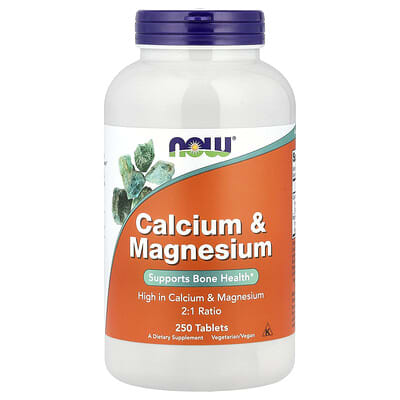
Calcium and magnesium can both be part of a mineral routine, but taking multiple minerals together may affect absorption or increase digestive side effects. Check your total intake and ask a pharmacist if you take medication.
Can I take Calcium + Vitamin D3 with thyroid medication?
Calcium can interfere with absorption of thyroid medication such as levothyroxine. Ask your doctor or pharmacist how far apart to take them. Many people are advised to separate calcium from thyroid medication by several hours.
Can I take Calcium + Vitamin D3 every day?
Many products are designed for daily use, but daily use should match your actual calcium and vitamin D needs. If you already get enough from diet and sun exposure, daily supplementation may not be necessary.
Where can I buy Calcium + Vitamin D3 from the recommended merchants?
Final Thoughts: Is Calcium + Vitamin D3 Worth Considering?
Calcium + Vitamin D3 is worth considering if you have low calcium intake, limited sun exposure, low vitamin D levels, increased bone-health needs or professional advice to supplement. It is especially relevant for people who avoid dairy, older adults, postmenopausal women and people with bone-density concerns.
Bottom line: Calcium + Vitamin D3 can be useful, but it should be chosen carefully. Check your food intake first, avoid excessive dosing, separate calcium from interacting medications, and use medical advice if you have kidney stones, osteoporosis, kidney disease, high blood calcium or complex medication needs.
Health disclaimer: This article is for general information only and is not medical advice. Dietary supplements are not medicines and are not intended to diagnose, treat, cure or prevent disease. Speak with a healthcare professional before using Calcium + Vitamin D3 if you have kidney disease, kidney stones, high calcium levels, osteoporosis, parathyroid problems, take medication, are pregnant or breastfeeding, or are buying for a child.
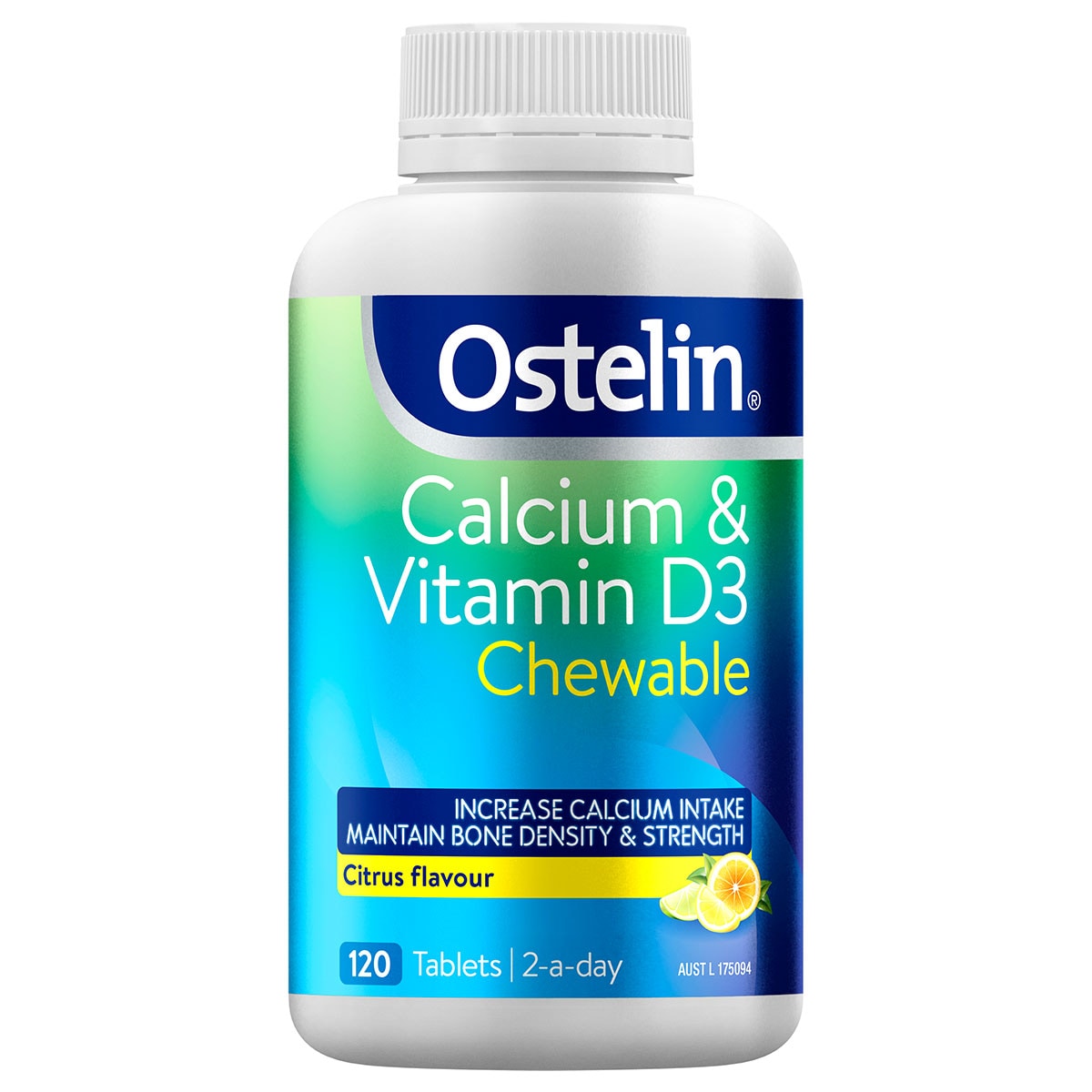
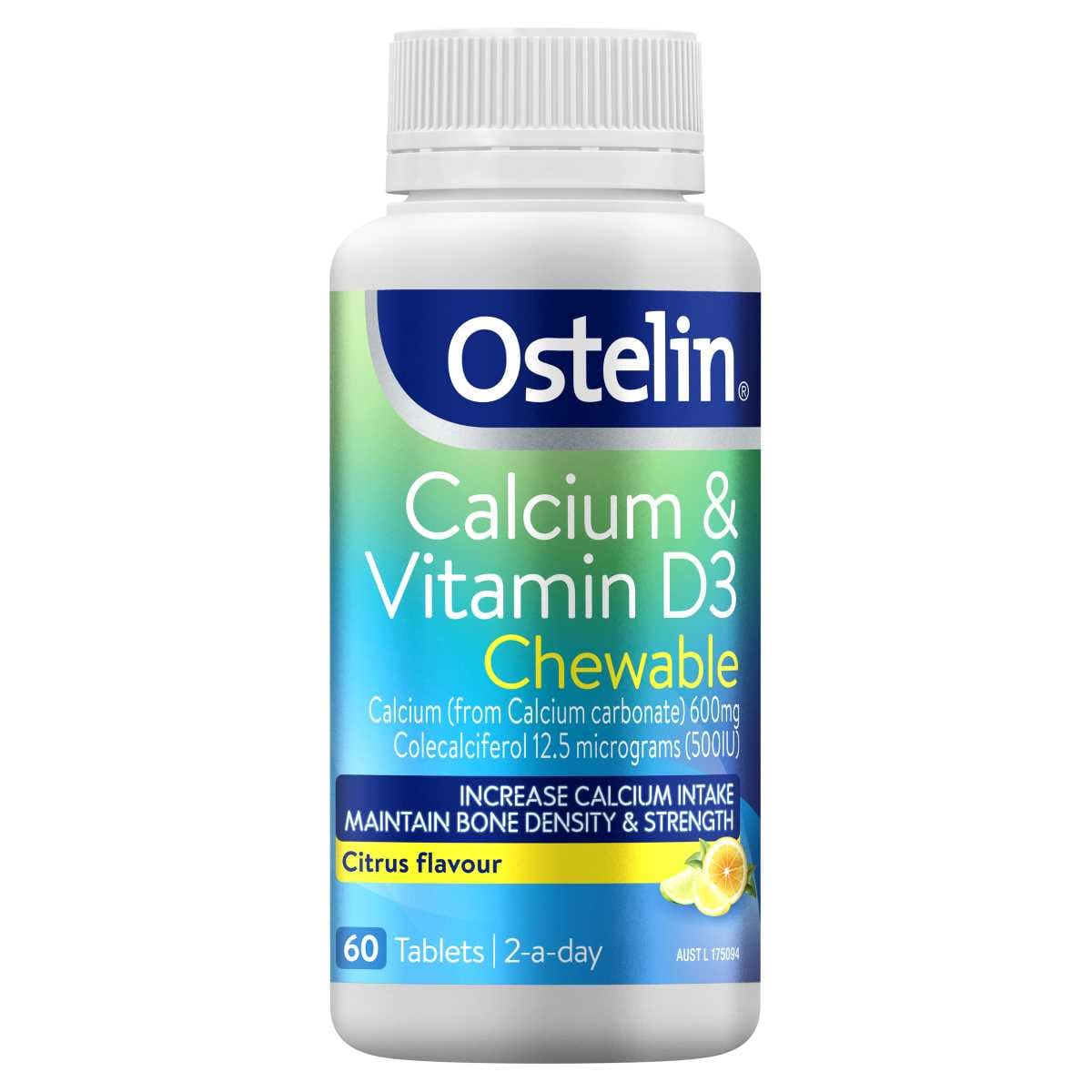
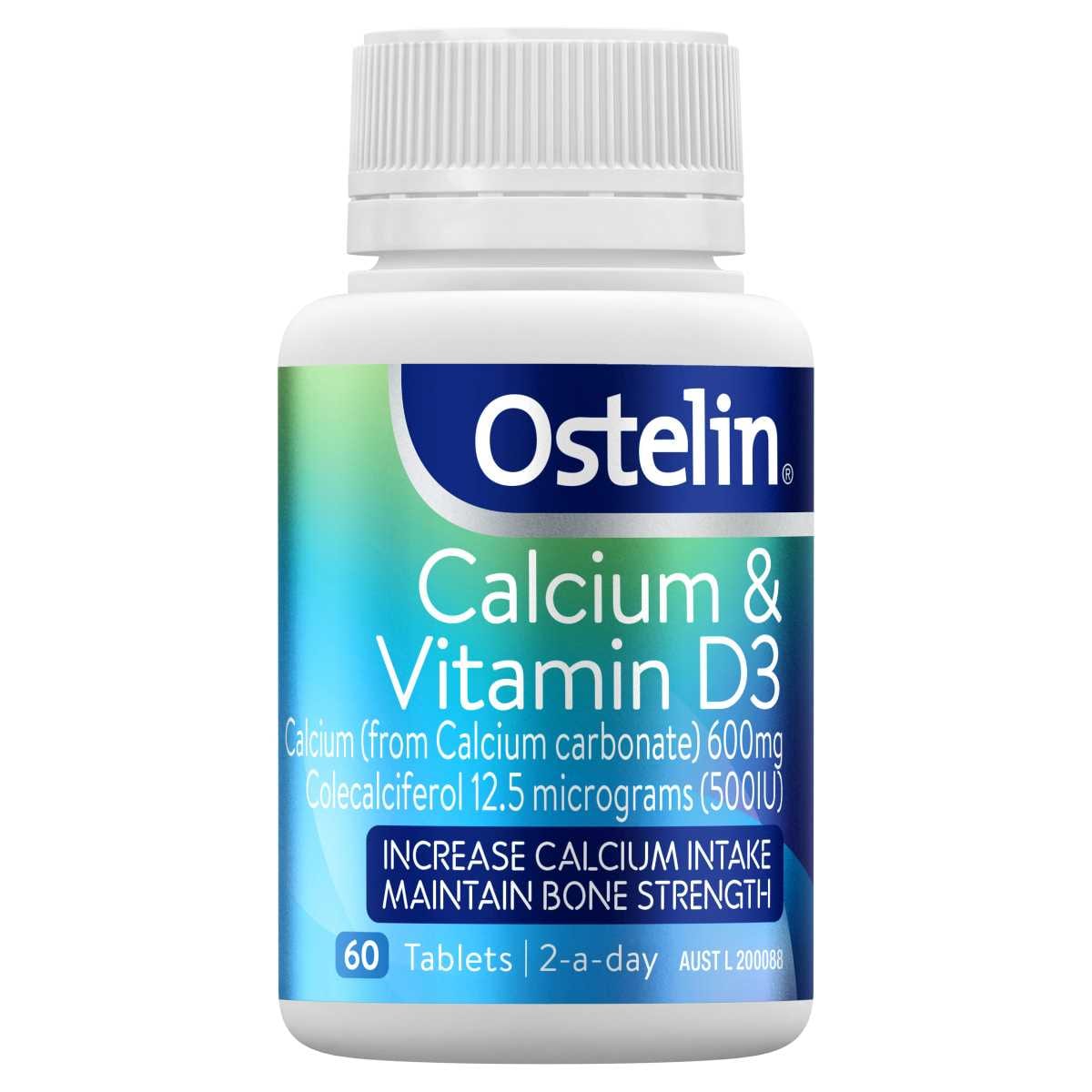
Ostelin Calcium & Vitamin D3 Minis 250 Tablets | Healthylife Ostelin Ostelin Calcium & Vitamin D3 Minis 250 Tablets. Tablet supplement (250 Tablets) Available from Healthylife; check current product details, price and availability before ordering.
Quick take: iHerb makes it easy to browse supplements, protein, wellness products, and healthy pantry staples in one place. It’s a handy option for comparing ingredients, brands, and customer reviews before choosing what suits your goals.
Quick take: iHerb makes it easy to browse supplements, protein, wellness products, and healthy pantry staples in one place. It’s a handy option for comparing ingredients, brands, and customer reviews before choosing what suits your goals.