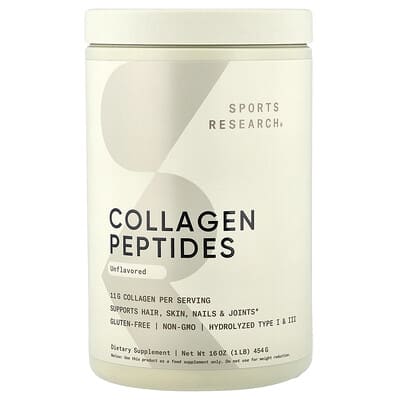
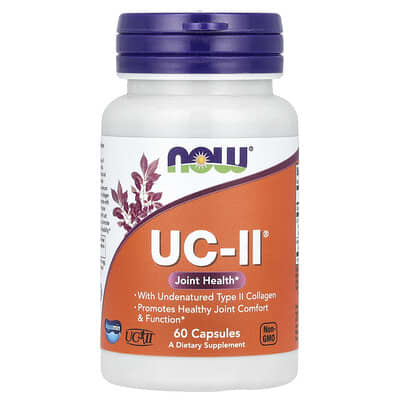
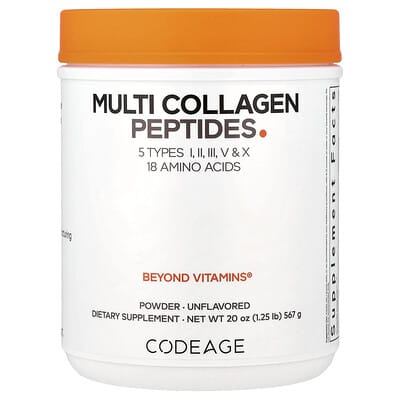
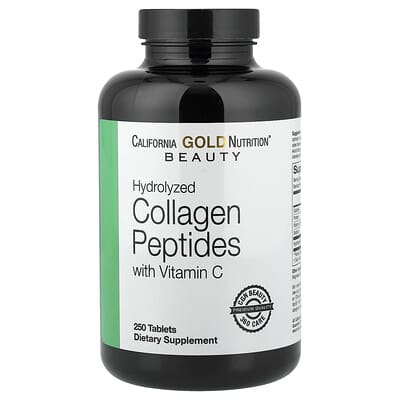
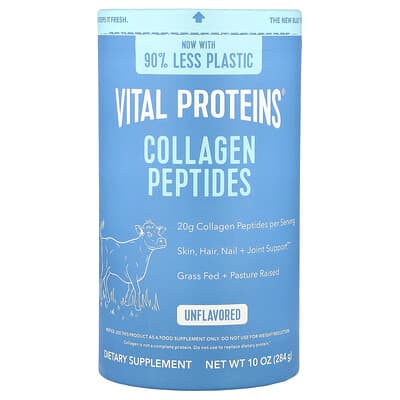
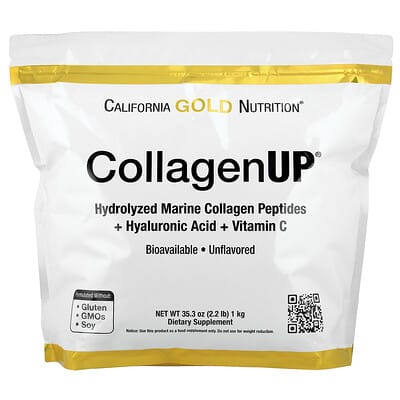
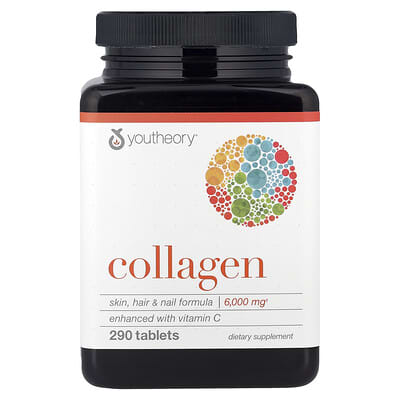
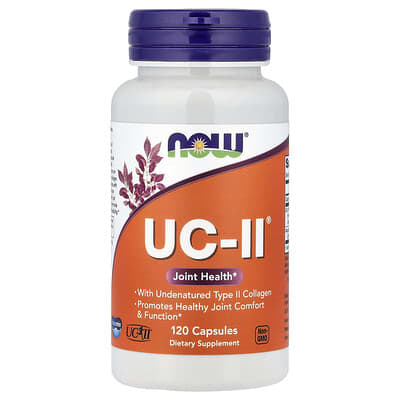
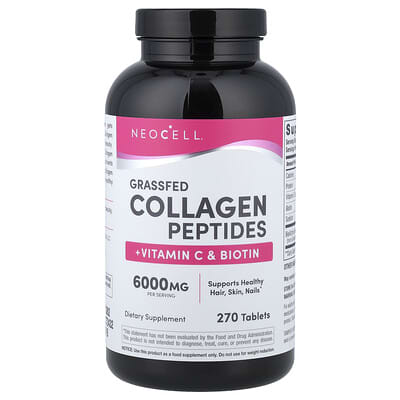
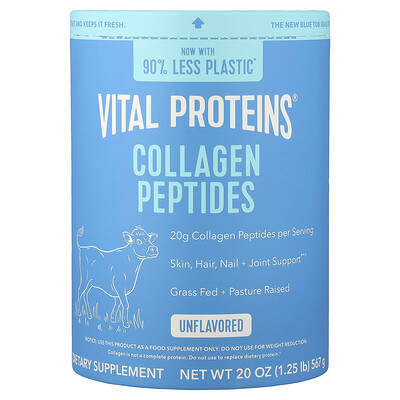
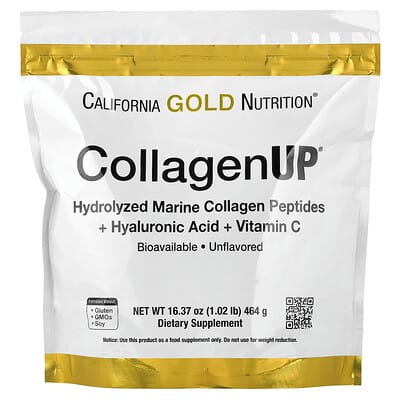
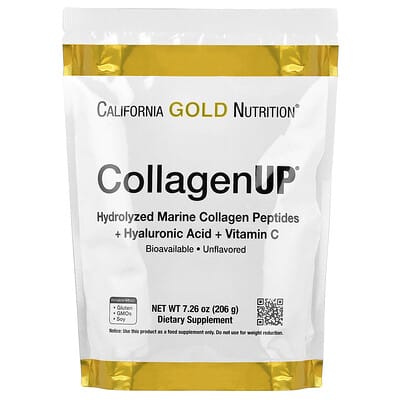
Collagen supplements are widely marketed for skin, joints, bones, hair, nails, and healthy aging. The idea is appealing because collagen is the most abundant structural protein in the body and helps support skin, connective tissue, cartilage, tendons, ligaments, and bone.
Some of the marketing has a real scientific basis. Research suggests certain collagen supplements may improve skin elasticity and hydration, and some people with osteoarthritis say they notice symptom relief. But collagen is also easy to oversell. It is not a proven anti-aging cure, not a guaranteed joint repair treatment, and not a substitute for good nutrition, movement, sleep, or medical care.
If you are thinking about using collagen, the most useful approach is to understand what collagen is, what the current evidence actually supports, and where the claims go beyond the science.
Collagen is a structural protein found throughout the body. It helps provide strength and support to skin, bones, tendons, ligaments, cartilage, blood vessels, and other connective tissues.
Collagen supplements are usually sold as hydrolysed collagen peptides, gelatin, or specific collagen types such as type I, II, or III. These products are not identical, and one type should not automatically be assumed to behave exactly like another.
Why People Use Collagen Supplements
People usually take collagen for one or more of these reasons:
to support skin elasticity and hydration
to try to reduce visible signs of aging
to support joints or osteoarthritis symptoms
to support bone or connective tissue health
to add a convenient protein supplement
These are all common reasons, but the evidence is stronger for some uses than others.
Collagen for Skin Health
This is one of the more supportive areas of collagen research. Reviews and clinical summaries suggest that oral collagen supplements may improve skin elasticity and hydration in some people.
That said, the claims should still be kept modest. Mayo Clinic has stated that there is not yet strong evidence that over-the-counter oral or topical collagen supplements are clearly effective for anti-aging in a broad, definitive way. So collagen may help some skin measures, but it should not be treated as a proven anti-aging solution.
Collagen for Joints and Bones
Collagen supplements are also marketed for joints and bones. Some people report that collagen helps with osteoarthritis symptoms, and this is a reasonable evidence-aware way to describe the current state of research.
That wording matters. Saying “some people find they help” is very different from saying collagen repairs cartilage or rebuilds joints. Research suggests possible benefits for some people with osteoarthritis or joint discomfort, but the evidence is not strong enough to promise repair.
For bone health, collagen should also be kept in perspective. The main proven foundations are still adequate calcium, vitamin D, overall protein intake, resistance exercise, and appropriate medical care where needed.
What Collagen Does Not Prove
The way collagen is marketed can make it sound as if supplements directly fix damaged skin, cartilage, tendons, or bones. Current evidence does not support that kind of broad claim.
Collagen should not be treated as a replacement for good nutrition, physical rehabilitation, osteoporosis treatment, arthritis management, or medical assessment of injuries and chronic pain.
Types of Collagen Products
Collagen supplements come in a few common forms:
hydrolysed collagen peptides
gelatin
marine collagen
bovine collagen
type-specific products such as type II collagen
These products are not interchangeable. Their source, processing, peptide profile, and intended use can differ, which is one reason it is hard to make one sweeping statement about all collagen supplements.
Food vs Supplement
Collagen supplements are often described as if they are completely different from food, but they still sit within the broader protein and nutrition picture. They can be a useful source of protein-like peptides, but they are not a complete replacement for a balanced diet rich in protein, vitamins, and minerals.
Vitamin C, adequate total protein, and overall diet quality still matter because the body needs multiple nutrients to make and maintain connective tissue properly.
Side Effects and Safety
Side effects from collagen supplements are possible but not common. When they do happen, they can include digestive upset or mild discomfort. In many cases, added ingredients in flavored powders or mixed formulas may be the actual cause of intolerance rather than the collagen itself.
It is also worth remembering that collagen products vary in quality, flavoring, sweeteners, and source material. That is why simple labels and reputable manufacturing standards matter.
Who Should Be Cautious
People with allergies to fish, shellfish, eggs, or bovine ingredients should check the source carefully because collagen products can come from marine, bovine, chicken, or mixed sources. It is also wise to be cautious with flavored or multi-ingredient formulas if you are sensitive to sweeteners or other additives.
If you have ongoing joint pain, major skin changes, swallowing problems, digestive symptoms, osteoporosis, or an injury you are trying to “repair,” supplements should not delay proper diagnosis or treatment.
Frequently Asked Questions
What is collagen used for?
Collagen supplements are usually marketed to support skin, joints, bones, and connective tissue, but the strongest support is for some skin measures and possibly symptom support in some people with osteoarthritis.
Do collagen supplements really work?
They may help some measures of skin elasticity and hydration, and some people find they help with osteoarthritis symptoms, but the evidence is not strong enough to support broad cure-all claims.
Can collagen repair joints?
There is no strong proof that collagen directly repairs damaged joints. At best, some products may help symptoms in some people.
Can collagen improve skin?
Some studies suggest collagen supplements may improve skin elasticity and hydration, but they are not a guaranteed anti-aging solution.
Is collagen safe?
It is generally well tolerated by many people, but side effects such as digestive upset can happen, and product source and additives matter.
Is collagen the same as protein powder?
No. Collagen is a protein-derived supplement, but it is not nutritionally identical to a complete protein powder like whey.
Disclaimer
This article is for general information only and is not medical advice. Collagen supplements are not proven treatments for aging, cartilage damage, osteoporosis, tendon injuries, or chronic pain. They may help some people with skin elasticity or osteoarthritis symptoms, but results vary and products differ. Always speak with your doctor, pharmacist, or dietitian before starting collagen if you have allergies, chronic joint pain, digestive symptoms, bone disease, or are trying to manage an ongoing medical condition.
Final word: Collagen supplements may have a place in some routines, especially for skin support and possibly joint symptoms, but the evidence does not support the idea that they broadly “repair” the body. The best results still come from good overall nutrition, movement, and appropriate medical care when needed.
Most popular sponsored products
Clear Whey Protein + Collagen | 7 Servings Offer now available for the Clear Whey Protein + Collagen | 7 Servings. On sale with world wide delivery. Protein + Collagen. Made Clear. Clear Whey Protein + Collagen brings protein, collagen and vitamin C together in a light, fruity drink that feels more like a juice than a traditional…
Vitauthority, Multi Collagen Burn, Unflavoured, 5.73 oz (162.4 g) Offer now available for the Vitauthority, Multi Collagen Burn, Unflavoured, 5.73 oz (162.4 g). On sale with world wide delivery. Set The Standard caffeine free Metabolism Enhancing Collagen Peptides Collagen Types I, II, III, V & X Supports The Reduction of Visible Cellulite^ Food Supplement Grass-Fed Beef BSE free Farm-Raised…
Vitauthority, Multi Collagen Burn, Strawberry Lemonade, 7.62 oz (216 g) Offer now available for the Vitauthority, Multi Collagen Burn, Strawberry Lemonade, 7.62 oz (216 g). On sale with world wide delivery. Set the Standard Caffeine-Free Metabolism Enhancing Collagen Peptides Collagen Types I, II, III, V & X Supports the Reduction of Visible Cellulite*^ Naturally and Artificially Flavoured Dietary Supplement Grass-Fed…
Great Lakes Wellness, Grass-Fed Bovine Collagen Peptides, Unflavoured, 16 oz (454 g) Offer now available for the Great Lakes Wellness, Grass-Fed Bovine Collagen Peptides, Unflavoured, 16 oz (454 g). On sale with world wide delivery. Supports 5 Signs of Ageing Well Dissolves 2x Faster vs. Leading Brands Skin Hair Nails Joints Digestion 20 g Collagen Per Serving Dietary Supplement Glyphosate Free, Gluten…
Quick take: iHerb makes it easy to browse supplements, protein, wellness products, and healthy pantry staples in one place. It’s a handy option for comparing ingredients, brands, and customer reviews before choosing what suits your goals.
Quick take: iHerb makes it easy to browse supplements, protein, wellness products, and healthy pantry staples in one place. It’s a handy option for comparing ingredients, brands, and customer reviews before choosing what suits your goals.