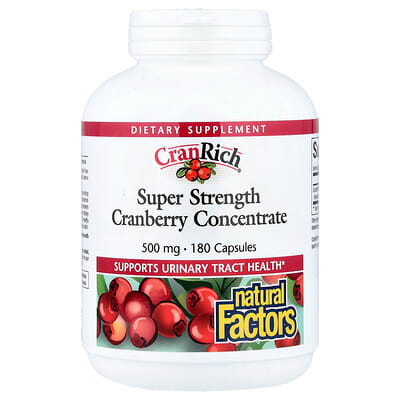
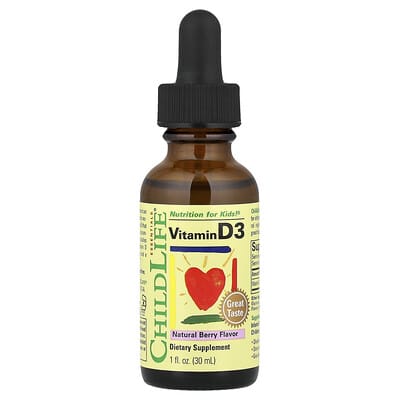
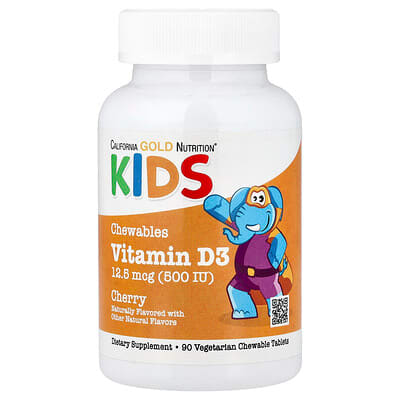
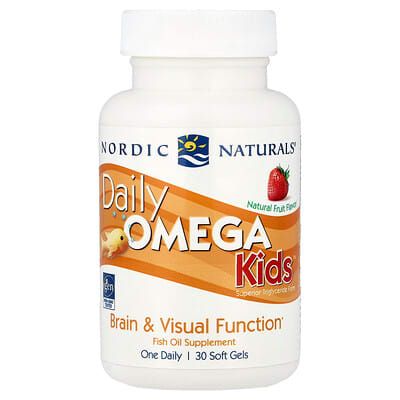
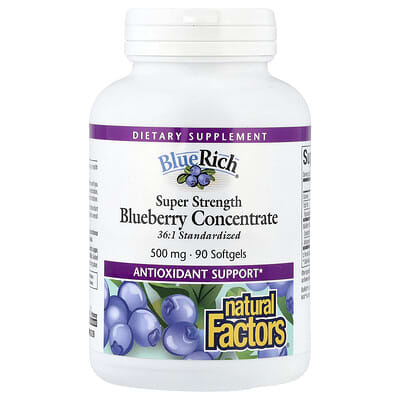
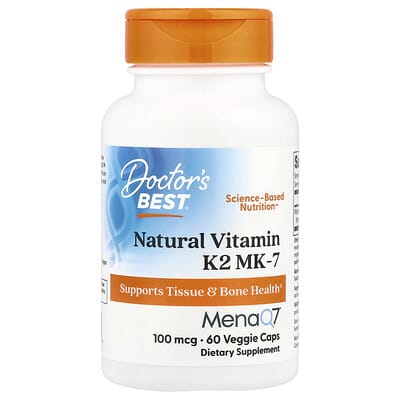
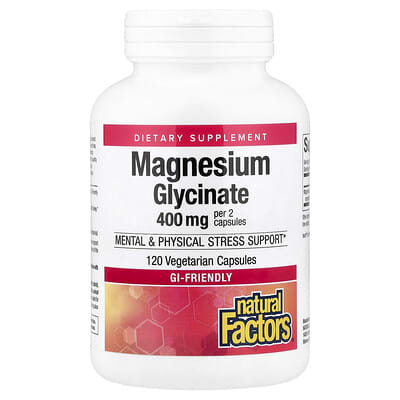
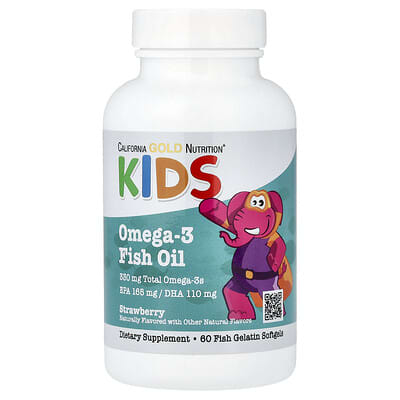
Natural supplements are products made from or inspired by natural sources such as plants, herbs, roots, seeds, fruits, algae, fungi, minerals, animal-derived nutrients or fermented ingredients. They can include herbal capsules, botanical extracts, mushroom powders, collagen peptides, fish oil, probiotics, prebiotics, greens powders, turmeric, ashwagandha, milk thistle, black seed oil, citrus bergamot and many other wellness products.
Natural supplements can be useful when they are chosen carefully and used for a realistic purpose. But “natural” does not automatically mean safe, gentle or suitable for everyone. Some natural products can interact with medicines, affect blood pressure, blood sugar, hormones, liver enzymes, blood clotting or surgery risk.
Quick take: iHerb makes it easy to browse supplements, protein, wellness products, and healthy pantry staples in one place. It’s a handy option for comparing ingredients, brands, and customer reviews before choosing what suits your goals.
The safest approach is simple: know what you are taking, why you are taking it, how much you are taking, and whether it is safe with your health history and medications.
Affiliate disclosure: This article may contain merchant links. If you purchase through a link, we may earn a commission at no extra cost to you. iHerb has been included at the reader’s request, although its affiliate cookie period may be shorter than the original merchant filter. Always check the product label, dose, ingredients, allergens, safety warnings, medicine interactions, shipping availability and import rules before buying any supplement.
Quick Answer: Are Natural Supplements Safe?
Some natural supplements are safe for many healthy adults when used at sensible doses. Others need much more caution, especially if you take medication, have a medical condition, are pregnant or breastfeeding, are buying for a child, or are scheduled for surgery.
Natural supplements may be worth considering when they:
Fill a real nutrition gap
Have a clear health goal
Use a sensible dose
Have transparent labelling
Come from a reputable merchant
Do not duplicate other supplements you already take
Do not clash with medicines or medical conditions
Natural supplements become risky when they are used as a replacement for medical care, mixed with several other products, taken in high doses, bought from unknown sellers, or used despite medicine interactions.
What Counts as a Natural Supplement?
Natural supplements can include many different product types. Some are simple single-ingredient products, while others are complex blends.
Category
Examples
What to Know
Herbal supplements
Turmeric, ashwagandha, milk thistle, ginseng, valerian, St John’s wort, black seed oil
Can have strong biological effects and medicine interactions.
Minerals can be useful but can also be overdone or interact with medicines.
Natural Does Not Mean Risk-Free
Many prescription medicines originally came from natural sources or were inspired by natural compounds. That does not make them weak or harmless. Natural products can still affect the body strongly.
Natural supplements may affect:
Blood clotting
Blood pressure
Blood sugar
Liver enzymes
Kidney function
Hormones
Sleep and sedation
Heart rhythm
Immune activity
Medication levels
This is why the safest question is not “Is it natural?” but “Is it appropriate for me?”
Common Natural Supplements and What to Watch
Turmeric / Curcumin
Turmeric and curcumin are popular for inflammation-support routines. They may be useful for some people, but high-dose curcumin extracts can interact with blood thinners, diabetes medication and some medicines processed by the liver. They may also upset the stomach in some people.
Ashwagandha
Ashwagandha is often used for stress-support and sleep-support routines. It may not suit people with thyroid disease, autoimmune conditions, liver concerns, pregnancy, breastfeeding or certain medication use.
St John’s Wort
St John’s wort is one of the biggest interaction concerns in natural supplements. It can interact with antidepressants, contraceptives, blood thinners, transplant medicines and many other drugs. It should not be used casually.
Milk Thistle
Milk thistle is commonly marketed for liver support. It should not be treated as a liver cure or a way to cancel out alcohol, poor diet or medication effects. People with liver disease should seek medical advice rather than self-treating.
Black Seed Oil
Black seed oil is used for general wellness, immune-support and inflammation-support routines. It may affect blood sugar, blood pressure or blood clotting in some people, so caution is sensible with related medications.
Citrus Bergamot
Citrus bergamot is commonly used for cholesterol-support routines. It should not replace prescribed cholesterol medication, statins or heart-health care. People taking cholesterol, diabetes or blood pressure medication should check first.
Green Tea Extract
Green tea as a drink is different from concentrated green tea extract. High-dose extracts may be harder on the liver in susceptible people, especially when taken on an empty stomach or combined with other weight-loss products.
Ginkgo Biloba
Ginkgo is used for circulation and cognitive-support routines, but it can increase bleeding concerns, especially with blood thinners, antiplatelet medication, surgery or high-dose fish oil.
Valerian
Valerian is often used for sleep-support routines. It may increase sedation, especially when combined with alcohol, sleeping tablets, anxiety medicines, antihistamines or anaesthesia.
Probiotics
Probiotics are natural or naturally derived live microorganisms, but they are not suitable for everyone. People who are severely immunocompromised, critically ill or medically fragile should use probiotics only with medical advice.
Who Should Be Extra Careful With Natural Supplements?
Speak with a healthcare professional before taking natural supplements if you:
Take prescription medication
Take blood thinners such as warfarin
Take blood pressure medication
Take diabetes medication
Take antidepressants or anxiety medication
Take thyroid medication
Take immune-suppressing medication
Have kidney disease
Have liver disease
Have heart disease or heart rhythm problems
Have high blood pressure
Have diabetes
Have cancer or are having cancer treatment
Have autoimmune disease
Are pregnant or breastfeeding
Are buying for a child
Are scheduled for surgery
Have a history of allergic reactions to herbs, plants, fungi, seafood or supplements
Natural Supplements and Medication Interactions
Natural supplements can interact with medicines in several ways. They may increase or decrease medicine levels, affect blood thinning, change blood sugar, alter blood pressure, add sedation or change how the liver processes medicine.
Supplement
Possible Concern
St John’s wort
Can interact with many medicines, including antidepressants, contraceptives and blood thinners.
Ginkgo, garlic extract, high-dose fish oil, turmeric
May increase bleeding concerns in some people.
Berberine, bitter melon, cinnamon extracts
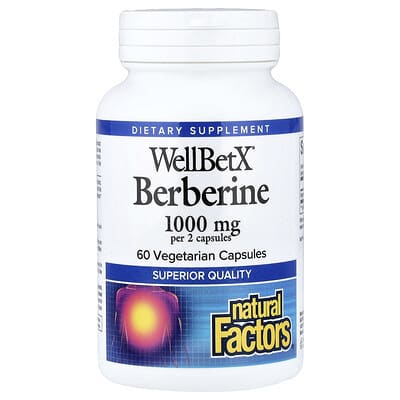
May affect blood sugar and interact with diabetes medication.
Licorice root
May affect blood pressure and potassium levels.
Valerian, kava, passionflower, skullcap
May increase sedation with alcohol, sleeping tablets, anxiety medicines or anaesthesia.
Calcium, magnesium, iron, zinc
Can reduce absorption of thyroid medication and some antibiotics if taken too close together.
Practical tip: if you take regular medication, ask a pharmacist before starting a natural supplement. Take the supplement bottle or a photo of the full label with you.
Natural Supplements Before Surgery
Tell your surgeon, anaesthetist and healthcare team about every supplement you take, including herbal teas, powders, oils and gummies. Some natural supplements can affect bleeding, blood pressure, blood sugar, sedation or anaesthesia.
Supplements that often need extra surgery caution include:
Ginkgo
Garlic extract
Ginseng
Turmeric / curcumin
Fish oil at high doses
Vitamin E at high doses
St John’s wort
Kava
Valerian
Licorice root
Weight-loss or stimulant blends
Do not guess which products to stop. Ask your healthcare team how long before surgery to stop each supplement.
How to Read a Natural Supplement Label
Natural supplement labels can be harder to read than basic vitamin labels. Look for these details:
Botanical name: not just the common name.
Plant part used: root, leaf, seed, flower, bark or fruit.
Extract ratio: for example 10:1 or 25:1.
Standardised compounds: such as curcuminoids, withanolides, silymarin or polyphenols.
Amount per serving: not just amount per bottle.
Serving size: one capsule, two tablets, one scoop or more.
Other ingredients: fillers, colours, flavours, sweeteners or preservatives.
Medication warnings: especially for blood thinners, diabetes medicines, antidepressants and blood pressure medicines.
Pregnancy and breastfeeding warnings: many herbs are not tested well enough in pregnancy.
Expiry and storage: important for oils, probiotics, liquids and active plant extracts.
Australian Buyer Tip: Look for AUST L Where Relevant
If you are buying complementary medicines in Australia, check whether the label has an AUST L number where relevant. This means the product is listed on the Australian Register of Therapeutic Goods.
An AUST L number does not guarantee the product will work for every person, but it is a useful label check for Australian buyers. Be especially careful with unverified overseas products promoted for weight loss, bodybuilding, hormones, sleep, sexual performance or detox.
Natural Supplement Red Flags
Be cautious if a product claims to:
Cure disease
Replace medication
Reverse ageing
Detox your liver overnight
Melt fat without diet or exercise
Balance all hormones
Regrow cartilage
Prevent dementia
Work for everyone
Have no side effects because it is natural
Use “ancient secret” or “doctor hates this” style marketing
Real supplement support is usually modest, specific and realistic. Miracle claims should make you pause.
Food First: Natural Supplements Should Not Replace Diet
Many natural supplement ingredients come from foods or plants you can also eat. Food gives you fibre, protein, vitamins, minerals, antioxidants and other plant compounds in a balanced package.
Examples:
Turmeric can be used in cooking, not only capsules.
Oats and legumes provide natural soluble fibre.
Yoghurt and kefir may provide live cultures.
Salmon and sardines provide omega-3 fats and protein.
Pumpkin seeds provide magnesium, zinc and healthy fats.
Berries provide polyphenols and vitamin C.
Broccoli sprouts and cruciferous vegetables provide sulforaphane precursors.
Supplements are most useful when they fill a real gap or provide a targeted dose that is difficult to get consistently from food.
Where to Buy Natural Supplements From Recommended Merchants
Using the recommended merchant list from this supplement series, these are practical places to compare natural supplements. Always read the label before buying, even from a well-known merchant.
Nutricost
Nutricost is useful for straightforward vitamins, minerals, amino acids, probiotics, fibre, creatine, electrolytes, protein powders and selected botanical supplements.
Best for: simple formulas, clear serving sizes and broad supplement staples.
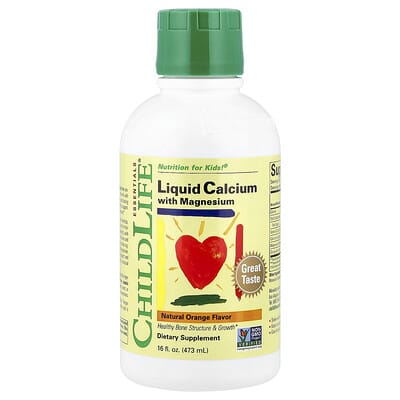
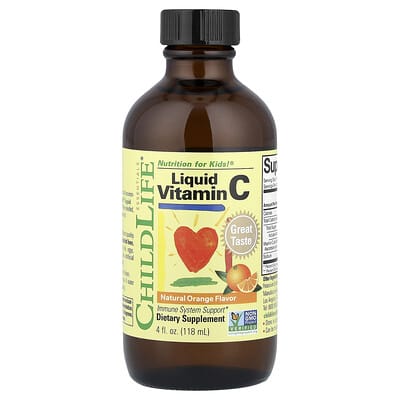
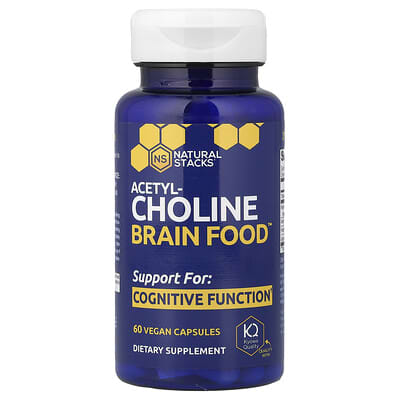
iHerb has one of the widest natural supplement ranges, including vitamins, minerals, herbs, probiotics, prebiotics, protein powders, collagen, sports nutrition and natural health products from many brands.
Best for: comparing brands, reading customer reviews and finding broad natural supplement options.
Good for mineral support, hydration and bone-health routines.
Natural Supplement Checklist Before You Buy
Before buying a natural supplement, ask:
What exact ingredient is in this product?
Is it a whole herb, extract, oil, powder, mineral or blend?
What is the dose per serving?
How many capsules, tablets or scoops make one serving?
Is the extract standardised?
Does it list the plant part used?
Does it contain caffeine, stimulants or sedatives?
Does it interact with my medications?
Is it safe for pregnancy, breastfeeding or children?
Does it contain allergens?
Is there an AUST L number where relevant in Australia?
Are the claims realistic?
Is the merchant reputable?
FAQs
What are natural supplements?
Natural supplements are products made from or inspired by natural sources such as herbs, plants, roots, seeds, fruits, fungi, minerals, animal-derived nutrients or fermented ingredients.
Are natural supplements safer than synthetic supplements?
Not automatically. Natural supplements can still cause side effects, interact with medicines or be unsuitable for certain health conditions.
Can natural supplements interact with medication?
Yes. Herbs and natural extracts can interact with blood thinners, antidepressants, diabetes medicines, blood pressure medicines, thyroid medication, heart medicines and other drugs.
Should I tell my doctor about natural supplements?
Yes. Tell your doctor, pharmacist, surgeon or anaesthetist about every supplement you take, including herbs, teas, powders, oils and gummies.
Are herbal supplements safe before surgery?
Some herbal supplements can affect bleeding, sedation, blood pressure, blood sugar or anaesthesia. Ask your healthcare team which supplements to stop and when.
What does standardised extract mean?
A standardised extract is made to contain a set amount of a key compound, such as curcuminoids in turmeric or silymarin in milk thistle. It helps make the product more consistent.
What does AUST L mean?
AUST L means the product is listed on the Australian Register of Therapeutic Goods. It is a useful label check for Australian complementary medicines.
Are natural weight-loss supplements safe?
Be very careful. Weight-loss supplements may contain stimulants, hidden ingredients or herbs that affect blood pressure, heart rhythm, liver function or medication levels.
Can I take several natural supplements together?
It is better to start one product at a time. Combining several products increases the risk of side effects, ingredient overlap and interactions.
Final Thoughts: Natural Can Be Helpful, But It Still Needs Care
Natural supplements can be useful when they are chosen for a clear reason, used at a sensible dose and checked for safety. They can support nutrition, digestion, active lifestyles, beauty routines, hydration, sleep-support routines and healthy ageing. But they can also be overhyped, duplicated or risky when combined with medicines or medical conditions.
If you want simple supplement staples, compare Nutricost. If you want protein, creatine and active-lifestyle products, compare Myprotein and Bulk. If you want electrolytes, magnesium or D3/K2-style wellness formulas, compare Dr. Berg. If you want collagen and bone broth products, compare Dr. Kellyann. If you want the widest range of natural supplements, browse iHerb Supplements.
Bottom line: natural supplements are not automatically safe or necessary. Read the label, check the dose, avoid miracle claims, consider food first, and ask a healthcare professional if you take medication or have a health condition.
Health disclaimer: This article is for general information only and is not medical advice. Natural supplements are not intended to diagnose, treat, cure or prevent disease unless specifically regulated and labelled as medicines. Speak with a healthcare professional before using natural supplements if you are pregnant or breastfeeding, take medication, have kidney disease, liver disease, heart disease, cancer, autoimmune disease, diabetes, high blood pressure, blood-clotting issues, are immunocompromised, are scheduled for surgery, or are buying for a child. Seek medical advice for persistent fatigue, unexplained weight loss, hair loss, anaemia, numbness, tingling, severe digestive symptoms, bone pain, chest pain, memory changes or other ongoing symptoms.
Vitamins, Minerals & Dietary Supplements for Health & Wellness | Health Supplements Offer now available for the Vitamins, Minerals & Dietary Supplements for Health & Wellness | Health Supplements. On sale with world wide delivery. Shop premium vitamins, minerals & dietary supplements for immunity, energy, digestion and overall wellness. Buy trusted health supplements online in Australia.. Browse our extensive range of products.…
PatchAid, Natural Weight Loss Enhancer Patch, 30 Patches Offer now available for the PatchAid, Natural Weight Loss Enhancer Patch, 30 Patches. On sale with world wide delivery. Contains Blue-Green Algae and Kelp With Vitamins B9 and B12 Includes Apple Cider Vinegar Extract May help maintain normal energy levels. May support normal red blood cell formation. May promote heart…
Quick take: iHerb makes it easy to browse supplements, protein, wellness products, and healthy pantry staples in one place. It’s a handy option for comparing ingredients, brands, and customer reviews before choosing what suits your goals.
Quick take: iHerb makes it easy to browse supplements, protein, wellness products, and healthy pantry staples in one place. It’s a handy option for comparing ingredients, brands, and customer reviews before choosing what suits your goals.