Daily supplements can be worth it when they fill a real nutrition gap, support a clear health goal, or are recommended by a doctor, pharmacist or dietitian. But taking supplements every day “just in case” is not always necessary, and in some situations it can be wasteful or even risky.
The most sensible approach is this: food first, testing where useful, then targeted supplements if needed. A balanced diet, enough protein, fibre-rich foods, sleep, sunlight, exercise and medical care matter more than a long list of pills.
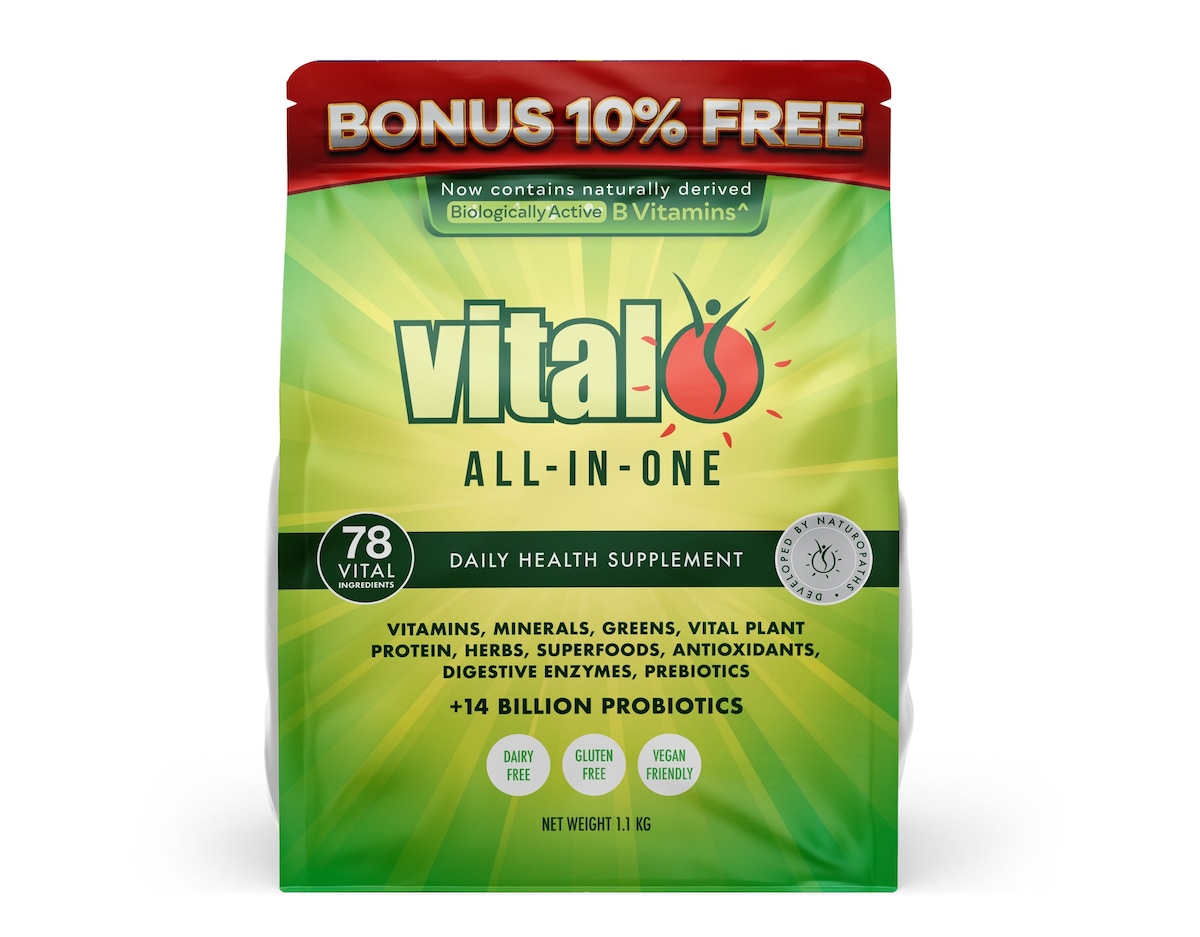
Vitamins, Minerals & Dietary Supplements for Health & Wellness | Health… Offer now available for the Vitamins, Minerals & Dietary Supplements for Health & Wellness | Health Supplements. On sale with world wide delivery. Shop premium vitamins, minerals & dietary supplements for immunity, energy, digestion and overall wellness. Buy trusted health supplements online in Australia.. Browse our extensive range of products.…
Quick take: iHerb makes it easy to browse supplements, protein, wellness products, and healthy pantry staples in one place. It’s a handy option for comparing ingredients, brands, and customer reviews before choosing what suits your goals.
That said, daily supplements can be very useful for some people — especially those with low Vitamin D, low B12, low iron, low calcium intake, restricted diets, older age, poor appetite, heavy training demands, gut issues, or specific medical needs.
Affiliate disclosure: This article may contain merchant links. If you purchase through a link, we may earn a commission at no extra cost to you. iHerb has been included at the reader’s request, although its affiliate cookie period may be shorter than the original merchant filter. Always check the product label, dose, ingredients, allergens, safety warnings, medicine interactions, shipping availability and import rules before buying any supplement.
Quick Answer: Are Daily Supplements Worth Taking?
Daily supplements may be worth taking if they:
Correct a confirmed deficiency
Fill a real dietary gap
Support a specific health goal
Are safe with your medication and health history
Use a sensible dose
Do not duplicate other supplements you already take
Are reviewed regularly rather than taken forever without a reason
Daily supplements may not be worth it if you:
Eat a varied, nutrient-rich diet
Have no known deficiencies
Take them only because of social media trends
Use several overlapping formulas
Take high doses “just in case”
Use supplements instead of improving food, sleep, protein, fibre or exercise
Daily Supplements That Can Make Sense
Some supplements are more suitable for daily use than others, especially when there is a clear reason for taking them.
Supplement
When Daily Use May Make Sense
Main Caution
Vitamin D3
Low Vitamin D, low sun exposure, bone-health routines
High doses can raise calcium too much; blood testing helps guide dose.
Kidney disease or kidney-risk medication needs medical advice.
Fibre / Prebiotics
Low fibre intake, bowel regularity, microbiome support
Start slowly; can worsen gas or bloating if increased too fast.
Omega-3
Low oily fish intake, heart-health routines, triglyceride support under guidance
High doses may increase bleeding concerns or interact with medicines.
Collagen Peptides
Skin, nail and joint-support routines
Not vegan and not a complete protein like whey or soy.
Probiotics
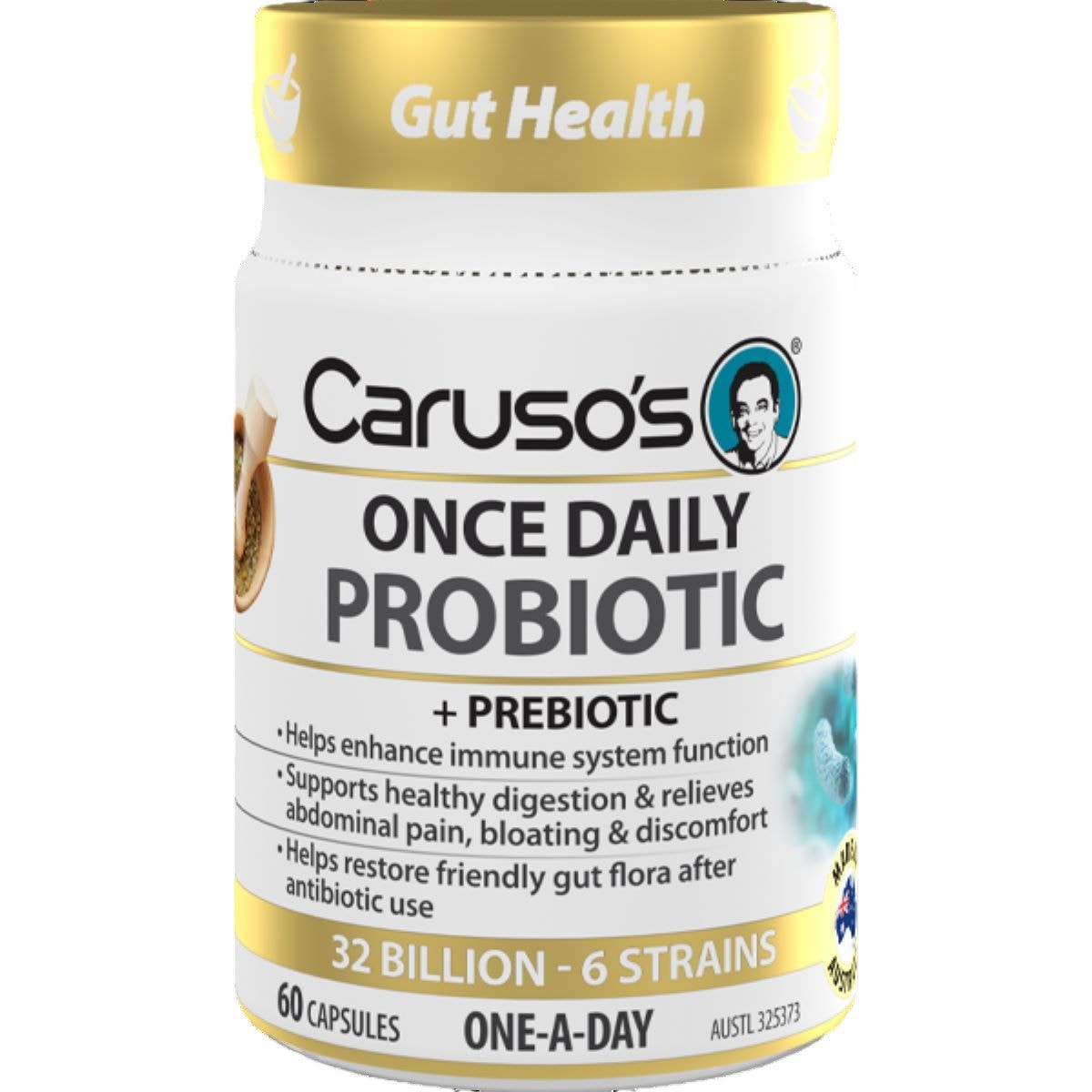
Targeted gut-health support or after antibiotics where appropriate
Not suitable for severely immunocompromised or critically ill people without advice.
Daily Supplements That Should Not Be Taken Casually
Some supplements should not be taken daily unless there is a clear reason, blood test result, or professional recommendation.
Iron
Iron can be very helpful when iron or ferritin is low, but it should not be taken casually. Too much iron can be harmful, and iron overload is a real concern for some people.
High-Dose Vitamin D
Vitamin D is useful when levels are low, but high doses taken long term can raise calcium levels too high. Blood testing is the best way to guide dose.
High-Dose Vitamin A
Preformed Vitamin A can build up in the body and may be toxic in high amounts. It is especially risky during pregnancy or when trying to conceive.
High-Dose Vitamin B6
Too much Vitamin B6 over time can cause nerve symptoms such as tingling, numbness or burning. Be careful because B6 can appear in multivitamins, magnesium blends, energy drinks, B-complex products and sleep formulas.
Selenium and Iodine
These nutrients are important but easy to overdo. Extra caution is needed with thyroid disease or thyroid medication.
Herbal “Detox” or Weight-Loss Products
Daily detox teas, fat burners and weight-loss blends may contain stimulants, laxatives, diuretics or herbs that interact with medicines. These are not good beginner products.
Who Is Most Likely to Benefit From Daily Supplements?
Daily supplements are more likely to be useful for people with a clear need.
Older Adults
Older adults may benefit from targeted support for Vitamin D, B12, calcium, magnesium, protein, creatine, omega-3 and fibre, depending on diet, blood tests, bone health, muscle strength and medication use.
Vegans and Vegetarians
Vegans usually need reliable Vitamin B12. Depending on diet quality, they may also need attention to iron, zinc, iodine, calcium, Vitamin D, omega-3 and protein.
People With Low Sun Exposure
People who spend most time indoors, cover most skin, avoid sun, have darker skin, are older, or live in low-sun seasons may need Vitamin D testing and possible supplementation.
People With Low Protein Intake
Protein powder can be useful if you struggle to eat enough protein, especially for strength training, muscle maintenance, healthy ageing or weight-management routines.
People With Bone-Health Concerns
Calcium, Vitamin D3, magnesium, protein and sometimes Vitamin K2 may be relevant for bone health. Osteoporosis or osteopenia should be managed with medical guidance.
People With Gut or Absorption Issues
Coeliac disease, inflammatory bowel disease, bariatric surgery, chronic diarrhoea and some medications can affect nutrient absorption. Supplements may be needed, but they should be guided properly.
People Who Train Regularly
Protein powder, creatine and electrolytes may be useful for active people, especially if food intake, sweat losses or recovery needs are hard to meet through diet alone.
When Daily Supplements Are Probably Not Worth It
Daily supplements may be unnecessary if you:
Eat a balanced diet with enough protein, plants, fibre and healthy fats
Have normal blood tests
Have no restricted diet
Get enough sun safely
Do not have bone, gut, absorption or medical concerns
Are taking them only for vague “wellness” reasons
Already take a multivitamin plus several overlapping formulas
In this situation, money may be better spent on better food, gym membership, strength training, dental care, good shoes, sleep support, sunscreen or medical checks.
Are Daily Multivitamins Worth It?
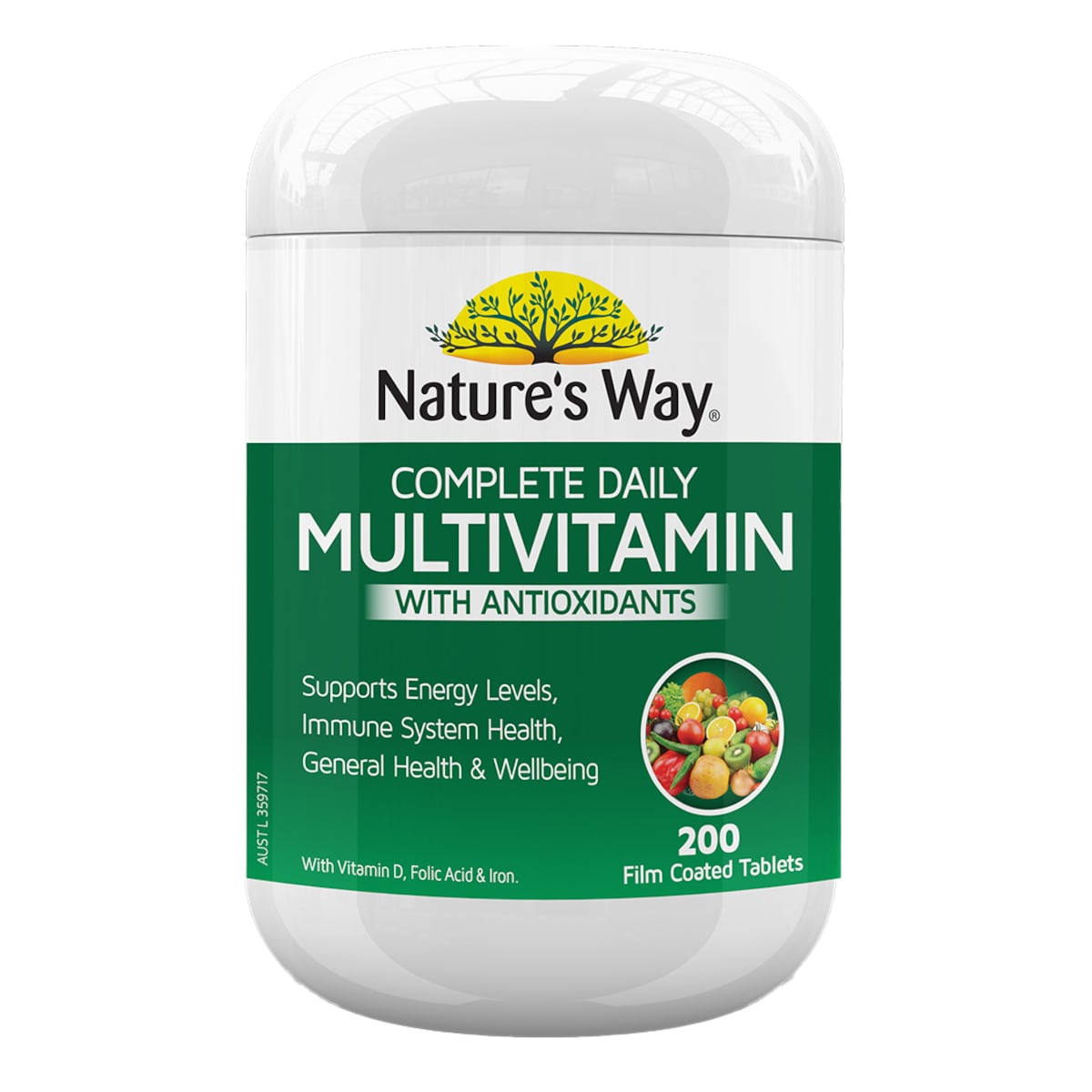
A daily multivitamin can be useful as a nutritional safety net for people with inconsistent diets, poor appetite, travel routines, older age or restricted food choices.
However, a multivitamin is not a shortcut to good health. It does not replace vegetables, protein, fibre, healthy fats, sleep, exercise or medical care.
A multivitamin may be worth considering if:
Your diet is inconsistent
You eat very little variety
Your appetite is low
You travel often
You are recovering from illness
You have been advised to use one
A multivitamin may not be worth it if:
You already eat a balanced diet
You take several other supplements with overlapping ingredients
It contains high doses you do not need
You are using it instead of addressing a specific deficiency
Daily Supplements vs Occasional Supplements
Not every supplement needs daily use. Some are more situational.
Daily Use May Suit
Occasional Use May Suit
Vitamin D3 if low or advised
Electrolytes during heat, travel or heavy sweating
B12 for vegans or low B12
Protein powder on days you miss protein goals
Creatine monohydrate for strength support
Digestive enzymes with difficult meals if appropriate
Magnesium if intake is low or useful for your routine
Travel probiotics or targeted gut support
Fibre if fibre intake is consistently low
Oral rehydration products during diarrhoea or vomiting under guidance
How to Tell If a Daily Supplement Is Working
Daily supplements should be reviewed. Do not keep taking something forever without checking whether it still makes sense.
Track These Things
Energy levels
Sleep quality
Digestive comfort
Bowel regularity
Muscle strength
Training recovery
Joint comfort
Skin or nail changes
Blood test results where relevant
Side effects or new symptoms
Typical Trial Periods
Supplement
Reasonable Trial Period
Best Way to Judge
Vitamin D, B12, iron or folate
Guided by blood tests
Repeat blood tests and symptom review.
Magnesium
2 to 4 weeks
Sleep, cramps, muscle tension and digestion.
Creatine
8 to 12 weeks
Strength, training performance and tolerance.
Collagen peptides
8 to 12 weeks
Skin hydration, nails and joint comfort.
Probiotics
2 to 8 weeks
Bloating, bowel pattern and digestive comfort.
Protein powder
2 to 6 weeks
Protein intake, fullness, recovery and muscle goals.
Daily Supplement Mistakes to Avoid
1. Taking Too Many Supplements at Once
If you start five supplements together, you will not know which one helped or caused side effects.
2. Duplicating Ingredients
A multivitamin, hair formula, sleep product and magnesium blend may all contain B6, zinc, magnesium, selenium or Vitamin D. This can push total intake too high.
3. Taking Iron Without Testing
Iron should usually be based on blood tests or professional advice. It is not a general energy supplement for everyone.
4. Ignoring Medication Interactions
Supplements can interact with blood thinners, thyroid medication, antibiotics, blood pressure medicines, diabetes medicines, antidepressants and heart medications.
5. Chasing “Detox” Claims
Your liver and kidneys already detoxify your body. Detox supplements often rely on vague claims and may contain laxatives, diuretics or herbs that are not suitable for everyone.
6. Assuming Natural Means Safe
Natural products can still have strong effects. Herbs, mushrooms, oils and plant extracts can interact with medicines and affect health conditions.
Daily Supplements and Medication Safety
Ask a pharmacist or doctor before taking daily supplements if you take regular medicine. This is especially important for:
Warfarin or other blood thinners
Heart medication
Blood pressure medication
Diabetes medication
Thyroid medication
Antibiotics
Osteoporosis medication
Antidepressants or anxiety medication
Immune-suppressing medicine
Diuretics or water tablets
Also tell your healthcare team about supplements before surgery, because some can affect bleeding, blood pressure, blood sugar, sedation or anaesthesia.
Australian Buyer Tip: Check AUST L Where Relevant
If you are buying complementary medicines in Australia, check the label for an AUST L number where relevant. This means the product is listed on the Australian Register of Therapeutic Goods.
An AUST L number does not guarantee that a supplement will work for every person, but it is a useful label check for Australian buyers. Be especially cautious with unverified overseas products promoted for weight loss, bodybuilding, hormones, sexual performance, sleep or detox.
Where to Buy Daily Supplements From Recommended Merchants
Using the recommended merchant list from this supplement series, these are practical places to compare daily supplements. Always read the full label before buying.
Nutricost
Nutricost is useful for simple vitamins, minerals, creatine, amino acids, protein powders, electrolytes, probiotics and targeted single-ingredient formulas.
Best for: straightforward daily supplement staples and clear serving sizes.
iHerb has one of the widest supplement ranges, including vitamins, minerals, herbs, probiotics, prebiotics, protein powders, collagen, sports nutrition and natural health products from many brands.
Best for: comparing brands, reading customer reviews and finding broad daily supplement options.
Does it duplicate anything in my multivitamin or other formulas?
Is it safe with my medication?
Is it safe with my health conditions?
Does the label show clear active ingredients?
Is there an AUST L number where relevant in Australia?
When will I review whether I still need it?
FAQs
Are daily supplements worth it?
Daily supplements are worth it when they fill a real nutrition gap, support a clear goal or are recommended after testing or professional advice. They are less useful when taken without a reason or used instead of food, sleep and exercise.
Should everyone take supplements every day?
No. Many people do not need daily supplements if they eat a varied diet and have no known deficiencies or special needs.
What daily supplements are most useful?
Common useful daily supplements include Vitamin D3 if low, B12 for vegans or low B12, magnesium if intake is low, protein powder if protein intake is low, creatine for strength training, and fibre if fibre intake is poor.
Are daily multivitamins worth it?
A daily multivitamin may be useful if your diet is inconsistent or restricted, but it is not necessary for everyone and should not replace a balanced diet.
Can daily supplements be harmful?
Yes. High doses, ingredient overlap, medication interactions and unnecessary long-term use can cause problems. Vitamins A, D, B6, iron, selenium, iodine and calcium need particular care.
Is it okay to take supplements every day for years?
Some supplements may be appropriate long term, but they should be reviewed regularly. Blood tests, diet changes, medications and health status can change your needs.
Should I take supplements with food?
Some supplements are better with food, including fat-soluble vitamins, fish oil, calcium carbonate and many multivitamins. Always check the label.
What daily supplements should not be taken without testing?
Iron, high-dose Vitamin D, high-dose Vitamin A, iodine and some high-dose mineral formulas should generally be guided by blood tests or professional advice.
Can supplements interact with medication?
Yes. Supplements can interact with blood thinners, thyroid medication, antibiotics, heart medicines, blood pressure medicines, diabetes medicines, antidepressants and more. Ask a pharmacist if you take regular medicine.
Final Thoughts: Daily Supplements Are Useful When They Have a Job
Daily supplements can be worth it, but only when they have a clear purpose. A daily Vitamin D3 supplement may be useful if your levels are low. Daily B12 may be important for vegans. Daily creatine can support strength training. Daily fibre may help if your diet is low in fibre. Daily collagen may support skin and joints modestly when used consistently.
But a large daily supplement stack is not automatically better. More products can mean more overlap, more cost, more side effects and more interaction risk.
If you want simple supplement staples, compare Nutricost. If you want protein, creatine and active-lifestyle products, compare Myprotein and Bulk. If you want electrolytes, magnesium or D3/K2-style wellness formulas, compare Dr. Berg. If you want collagen and bone broth products, compare Dr. Kellyann. If you want the widest range, browse iHerb Supplements.
Bottom line: daily supplements are worth it when they fill a real gap, use a sensible dose, and are safe for your body. They are not worth it when they are random, duplicated, overhyped or used as a replacement for good food and medical care.
Health disclaimer: This article is for general information only and is not medical advice. Supplements are not intended to diagnose, treat, cure or prevent disease unless specifically regulated and labelled as medicines. Speak with a healthcare professional before using daily supplements if you are pregnant or breastfeeding, take medication, have kidney disease, liver disease, heart disease, cancer, autoimmune disease, diabetes, high blood pressure, blood-clotting issues, are immunocompromised, are scheduled for surgery, or are buying for a child. Seek medical advice for persistent fatigue, unexplained weight loss, hair loss, anaemia, numbness, tingling, severe digestive symptoms, bone pain, chest pain, memory changes or other ongoing symptoms.
Most popular sponsored products
Vitamins, Minerals & Dietary Supplements for Health & Wellness | Health Supplements Offer now available for the Vitamins, Minerals & Dietary Supplements for Health & Wellness | Health Supplements. On sale with world wide delivery. Shop premium vitamins, minerals & dietary supplements for immunity, energy, digestion and overall wellness. Buy trusted health supplements online in Australia.. Browse our extensive range of products.…
Youtheory, Daily Fat Burner, 60 vegetarian capsules Offer now available for the Youtheory, Daily Fat Burner, 60 vegetarian capsules. On sale with world wide delivery. Non-stimulant Clinically supported† Promotes abdominal fat loss Food supplement Helps reduce body fat Sinetrol® citrus fruit blend Capsimax® non-burning cayenne Dairy free Soya free No gluten-containing ingredients Vegetarian capsules Youtheory® Daily Fat…
Vanicream, Daily Facial Moisturiser, For Sensitive Skin, Fragrance-Free, 89 ml (3 fl oz) Offer now available for the Vanicream, Daily Facial Moisturiser, For Sensitive Skin, Fragrance-Free, 89 ml (3 fl oz). On sale with world wide delivery. Dermatologist tested Hyaluronic Acid & Ceramides Non-comedogenic Gluten-Free Accepted National Eczema Association Non-greasy Dye free Lanolin free Free from parabens Formaldehyde free Won't clog pores The…
Lemme, Tone, Daily Metabolism Gummies, Watermelon Apple, 60 Gummies Offer now available for the Lemme, Tone, Daily Metabolism Gummies, Watermelon Apple, 60 Gummies. On sale with world wide delivery. Vitamin B12 & Ginger with Clinically-Studied Chromium Food Supplement Body Toning Metabolism Support Lean Body Mass With Other Natural Flavours No synthetic dyes Clinically Studied Chromax® Free from artificial sweeteners…
Quick take: iHerb makes it easy to browse supplements, protein, wellness products, and healthy pantry staples in one place. It’s a handy option for comparing ingredients, brands, and customer reviews before choosing what suits your goals.
Quick take: iHerb makes it easy to browse supplements, protein, wellness products, and healthy pantry staples in one place. It’s a handy option for comparing ingredients, brands, and customer reviews before choosing what suits your goals.