When it comes to supplements, timing can matter — but not always in the way people think. For many supplements, the most important thing is taking them consistently. For others, timing with food, fat, coffee, calcium, iron, thyroid medication or antibiotics can make a real difference.
The best time of day depends on the supplement, your stomach tolerance, your medication schedule and your health goal. A supplement that is ideal with breakfast may be wrong if you take thyroid medication first thing in the morning. A mineral that suits bedtime may need to be separated from antibiotics. Iron may absorb better away from meals, but some people need food to avoid nausea.
Nobi Nutrition, Night Time Fat Burner Gummies, Weight Management… Offer now available for the Nobi Nutrition, Night Time Fat Burner Gummies, Weight Management Support, Raspberry, 60 Pectin Based Gummies. On sale with world wide delivery. Burn+. Sleep. Rest. Made with Cannellini Bean Extract Food Supplement GMP Registered Night Time Fat Burner - designed like weight loss pills for women…
Quick take: iHerb makes it easy to browse supplements, protein, wellness products, and healthy pantry staples in one place. It’s a handy option for comparing ingredients, brands, and customer reviews before choosing what suits your goals.
Simple rule: do not chase a perfect clock time. Match the supplement to food, absorption, medication spacing and your daily routine.
Affiliate disclosure: This article may contain merchant links. If you purchase through a link, we may earn a commission at no extra cost to you. iHerb has been included at the reader’s request, although its affiliate cookie period may be shorter than the original merchant filter. Always check the product label, dose, ingredients, allergens, safety warnings, medicine interactions, shipping availability and import rules before buying any supplement.
Quick Answer: Best Time to Take Common Supplements
Supplement
Best Time
Why
Multivitamin
With breakfast or lunch
Food improves tolerance and helps absorb fat-soluble vitamins.
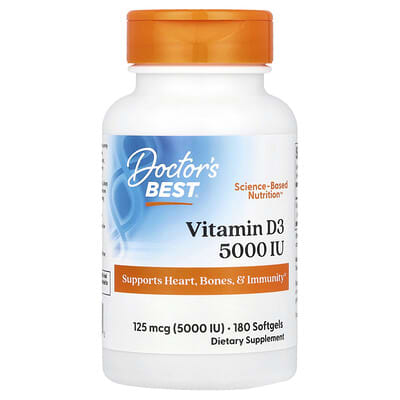
Vitamin D3
With a meal containing fat
Vitamin D is fat-soluble.
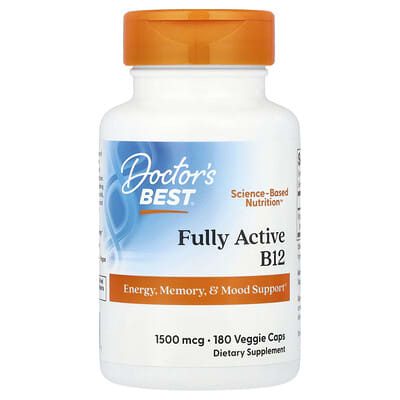
Vitamin B12
Morning or lunchtime
Easy to remember and commonly paired with daytime routines.
B-complex
Morning with food
May cause nausea on an empty stomach; often used for energy metabolism support.
Vitamin C
Any time; with food if sensitive
Water-soluble; can be paired with iron to support absorption.
Iron
Morning, away from calcium, tea, coffee and dairy
Absorption is often better away from inhibitors; take with food if it upsets your stomach.
Useful at breakfast, after training or as a protein top-up.
Collagen peptides
Any time daily
Consistency matters; can be taken with vitamin C-rich foods.
Electrolytes
During heat, sweating, exercise or travel
Use when fluid and mineral losses are higher.
Morning Supplements
Morning is a good time for supplements that fit naturally with breakfast, daytime energy routines or empty-stomach timing.
Good Morning Options
Vitamin B12
B-complex
Multivitamin with breakfast
Vitamin D3 with breakfast if the meal contains fat
Iron, if tolerated away from food and coffee
Creatine, if morning is when you remember it
Protein powder at breakfast if protein intake is low
Morning Caution: Thyroid Medication
If you take thyroid medication such as levothyroxine, it is often taken first thing in the morning on an empty stomach. Calcium, iron, magnesium and some other supplements can interfere with absorption, so they often need to be taken several hours away from thyroid medication.
Practical routine: take thyroid medication first, wait as directed before breakfast, then keep calcium and iron at least several hours away unless your doctor or pharmacist gives different instructions.
Supplements to Take With Food
Some supplements are better with food because food improves absorption or reduces stomach upset.
Fat-soluble vitamins such as A, D, E and K are usually best taken with a meal that contains some fat. That does not mean a greasy meal — eggs, yoghurt, avocado, nuts, olive oil, salmon or a balanced meal can be enough.
Supplements to Take Away From Food
Some supplements absorb better away from food, but stomach tolerance matters. If a supplement makes you nauseous, taking it with a small amount of food may be better than not taking it at all.
Iron
Iron is commonly recommended away from meals, tea, coffee, dairy and calcium because these can reduce absorption. Vitamin C can support iron absorption, so iron is often paired with orange juice, kiwi fruit, berries, capsicum or a Vitamin C supplement.
Important: do not take iron unless you need it. Iron should usually be guided by blood tests or professional advice.
Amino Acids
Some amino acid supplements are taken away from protein-rich meals, depending on the goal. Follow the product label and be cautious if using multiple amino acid products.
Evening Supplements
Evening is often used for supplements linked with relaxation, muscle function or routines that are easier to remember at night.
Good Evening Options
Magnesium glycinate
Magnesium taurate
Glycine
L-theanine
Some sleep-support herbal blends
Calcium citrate if it fits your medicine schedule
Collagen peptides if you prefer evening drinks
Magnesium is commonly taken at night because many people use it in sleep-support or muscle-relaxation routines. However, it does not have to be taken at night. If magnesium works better for you with breakfast or lunch, that is fine.
Best Time to Take Magnesium
Magnesium can be taken at any time of day, but many people prefer evening. The best time depends on the form and goal.
Magnesium Form
Common Timing
Notes
Magnesium glycinate
Evening or with dinner
Popular for relaxation and sleep-support routines.
Magnesium citrate
Morning, afternoon or evening
May loosen stools in some people.
Magnesium malate
Morning or daytime
Often used in daytime energy and muscle routines.
Medication caution: separate magnesium from thyroid medication and some antibiotics. Ask a pharmacist for exact spacing.
Best Time to Take Calcium
Calcium timing depends on the form.
Calcium carbonate: take with meals.
Calcium citrate: can be taken with or without food.
Large calcium doses: split into smaller doses across the day.
Many people absorb calcium better in smaller amounts, often around 500mg or less at one time. If you need a higher daily amount, splitting it between lunch and dinner may be more practical.
Ask your pharmacist how far apart to separate calcium from your medication.
Best Time to Take Iron
Iron is one of the supplements where timing matters most.
For best absorption, iron is often taken:
In the morning
Away from meals if tolerated
With Vitamin C or vitamin-C-rich food
Away from tea and coffee
Away from calcium, dairy, magnesium and zinc
However, iron can cause nausea, constipation or stomach pain. If this happens, taking it with food may be more realistic. The best iron routine is one you can tolerate and continue.
Important: iron should usually be taken only when blood tests or a healthcare professional show it is needed.
Best Time to Take Vitamin D3
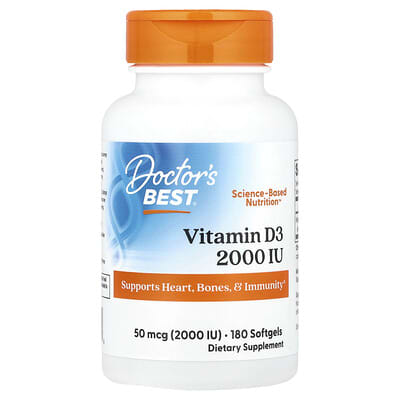
Vitamin D3 is fat-soluble, so it is usually best taken with a meal that contains some fat. Breakfast, lunch or dinner can all work.
Good pairings include:
Breakfast with eggs or yoghurt
Lunch with olive oil, avocado or fish
Dinner with a balanced meal
Vitamin D3/K2 formulas with a main meal
Do not overthink morning versus night. Consistency and appropriate dose matter more.
Best Time to Take B Vitamins
B vitamins are commonly taken in the morning or with lunch. They can sometimes cause nausea if taken on an empty stomach, especially B-complex products.
Best routine:
Take B-complex with breakfast or lunch.
Take B12 in the morning if it suits your routine.
Avoid taking energising B-complex products right before bed if you feel they disturb sleep.
Biotin note: high-dose biotin can interfere with some lab tests. Tell your doctor if you take biotin before blood testing.
Best Time to Take Probiotics
Probiotic timing depends on the strain and product. Some labels recommend taking them with food, others before meals, and some at any time.
Practical tips:
Follow the product label.
Take them at the same time daily for consistency.
Do not mix probiotic powder into very hot drinks.
Check whether the product needs refrigeration.
If taking antibiotics, ask your pharmacist how far apart to separate the probiotic.
People who are severely immunocompromised, critically ill or medically fragile should use probiotics only with medical advice.
Best Time to Take Creatine
Creatine monohydrate does not need perfect timing. The main goal is to take it consistently so muscle creatine stores stay topped up.
Easy options:
With breakfast
In a protein shake
After training
With lunch or dinner
Any time you remember daily
A common daily dose is 3g to 5g creatine monohydrate. Loading is optional and not necessary for most beginners.
Best Time to Take Protein Powder
Protein powder timing depends on your total daily protein intake. It is not only about the post-workout window.
Useful times include:
Breakfast if your first meal is low in protein
After strength training if your next meal is not soon
As an afternoon snack
Before bed if you struggle to meet protein goals
Any time that helps you reach your daily protein target
For muscle support, total daily protein and resistance training matter more than exact shake timing.
Best Time to Take Collagen Peptides
Collagen peptides can be taken at any time. Consistency matters more than timing.
Popular options include:
Morning coffee or tea
Smoothies
Oats or yoghurt
Evening warm drinks
With Vitamin C-rich foods
For tendon or ligament support routines, some people take collagen with Vitamin C before targeted rehab or loading exercises, but casual skin and joint routines do not need complicated timing.
Best Time to Take Electrolytes
Electrolytes are most useful when fluid and mineral losses are higher.
Good times to take electrolytes:
During hot weather
Before or during long exercise
After heavy sweating
During travel if dehydration risk is higher
During vomiting or diarrhoea only with appropriate advice
When following low-carb diets, if needed
For normal daily hydration, plain water and mineral-rich food are often enough.
Supplements You Should Separate From Coffee and Tea
Coffee and tea can interfere with absorption of some minerals, especially iron. They may also make some people feel nauseous when combined with certain supplements.
Consider separating coffee and tea from:
Iron
Calcium
Magnesium
Zinc
Multimineral formulas
A practical approach is to wait at least one to two hours between mineral supplements and strong tea or coffee, especially if you are taking iron for a deficiency.
Supplements to Separate From Medication
This is the most important timing section. Medication spacing matters more than whether a supplement is taken morning or night.
Medication Type
Supplements to Watch
Why
Thyroid medication
Calcium, iron, magnesium, zinc, fibre
Can reduce absorption of thyroid medication if taken too close together.
Antibiotics
Calcium, magnesium, iron, zinc, probiotics
Minerals can reduce absorption of some antibiotics; probiotics may need spacing.
Osteoporosis medicines
Calcium, magnesium, iron, food, coffee
Some bone medicines require strict empty-stomach timing.
Blood thinners
Vitamin K, fish oil, turmeric, ginkgo, garlic extract
Best advice: ask a pharmacist to help you build a supplement schedule if you take prescription medication.
Sample Supplement Timing Schedule
This is a general example only. Adjust based on your labels, medication and health advice.
Time
Possible Supplements
Notes
On waking
Thyroid medication if prescribed
Take as directed. Keep minerals away from it.
Breakfast
Multivitamin, B-complex, B12, Vitamin D3, omega-3
Food improves tolerance for many supplements.
Mid-morning
Iron with Vitamin C, if prescribed or needed
Keep away from coffee, tea, calcium and dairy if possible.
Lunch
Calcium carbonate, zinc, probiotics, creatine
Use food for stomach tolerance.
After training
Protein powder, creatine, electrolytes
Useful if it helps recovery and daily protein goals.
Dinner
Vitamin D3, omega-3, calcium, turmeric, CoQ10
Good for fat-soluble or food-tolerated supplements.
Evening
Magnesium glycinate, glycine, collagen
Often used in sleep or relaxation routines.
Where to Buy Supplements From Recommended Merchants
Using the recommended merchant list from this supplement series, these are practical places to compare supplements. Always read the timing instructions and warning panel on the label before buying.
Nutricost
Nutricost is useful for simple vitamins, minerals, creatine, amino acids, protein powders, electrolytes, probiotics and targeted single-ingredient formulas.
Best for: straightforward supplement staples and clear serving sizes.
iHerb has one of the widest supplement ranges, including vitamins, minerals, herbs, probiotics, prebiotics, protein powders, collagen, sports nutrition and natural health products from many brands.
Best for: comparing brands, reading customer reviews and finding broad supplement options.
The best time depends on the supplement. Fat-soluble vitamins are usually best with meals, magnesium is often taken in the evening, iron is usually taken away from calcium and coffee, and creatine can be taken any time daily.
Should I take supplements in the morning or at night?
Morning suits B vitamins, multivitamins and daytime routines. Evening suits magnesium, glycine and some sleep-support products. The best time is the one that works with food, medication spacing and consistency.
Should supplements be taken with food?
Many supplements are better with food, including multivitamins, Vitamin D3, fish oil, calcium carbonate and zinc. Iron may absorb better away from food, but some people need food to tolerate it.
Can I take all my supplements together?
Not always. Calcium can interfere with iron and some medications. Magnesium, zinc, calcium and iron may need to be separated from thyroid medication and some antibiotics. Ask a pharmacist if you take medication.
What supplements should not be taken with coffee?
Iron is the main one to separate from coffee and tea. It may also be sensible to separate coffee from calcium, magnesium, zinc and multimineral formulas.
When should I take Vitamin D3?
Take Vitamin D3 with a meal that contains some fat. Breakfast, lunch or dinner can all work.
When should I take magnesium?
Magnesium can be taken any time, but magnesium glycinate is often taken in the evening or with dinner because it is commonly used in relaxation routines.
When should I take calcium?
Take calcium carbonate with meals. Calcium citrate can be taken with or without food. Larger calcium amounts are usually better split into smaller doses.
When should I take iron?
Iron is often taken in the morning, away from tea, coffee, calcium, dairy and magnesium. Pairing it with Vitamin C may support absorption. Take it with food if it causes nausea.
When should I take probiotics?
Follow the product label. Some probiotics are taken with food, some before meals and some at any time. Consistency and proper storage matter.
When should I take creatine?
Creatine can be taken any time of day. Consistency matters more than exact timing. Many people take it with breakfast, after training or in a protein shake.
Final Thoughts: Timing Matters, But Consistency Matters More
The best time of day to take supplements depends on what you take. Vitamin D3, omega-3 and fat-soluble vitamins usually suit meals. Iron needs separation from calcium, coffee and tea. Calcium carbonate works best with food, while calcium citrate is more flexible. Magnesium is often used at night. Creatine and collagen are more about consistency than clock timing.
If you want simple supplement staples, compare Nutricost. If you want protein, creatine and active-lifestyle products, compare Myprotein and Bulk. If you want electrolytes, magnesium or D3/K2-style wellness formulas, compare Dr. Berg. If you want collagen and bone broth products, compare Dr. Kellyann. If you want the widest range, browse iHerb Supplements.
Bottom line: take supplements at the time that gives the best absorption, least stomach upset, safest medication spacing and easiest consistency. If you take prescription medicine, ask a pharmacist to help you build a safe schedule.
Health disclaimer: This article is for general information only and is not medical advice. Supplements are not intended to diagnose, treat, cure or prevent disease unless specifically regulated and labelled as medicines. Speak with a healthcare professional before using supplements if you are pregnant or breastfeeding, take medication, have kidney disease, liver disease, heart disease, cancer, autoimmune disease, diabetes, high blood pressure, blood-clotting issues, are immunocompromised, are scheduled for surgery, or are buying for a child. Ask a pharmacist about supplement timing if you take thyroid medication, antibiotics, osteoporosis medicines, blood thinners, diabetes medication, heart medication or blood pressure medication.
Most popular sponsored products
Nobi Nutrition, Night Time Fat Burner Gummies, Weight Management Support, Raspberry, 60 Pectin Based Gummies Offer now available for the Nobi Nutrition, Night Time Fat Burner Gummies, Weight Management Support, Raspberry, 60 Pectin Based Gummies. On sale with world wide delivery. Burn+. Sleep. Rest. Made with Cannellini Bean Extract Food Supplement GMP Registered Night Time Fat Burner - designed like weight loss pills for women…
Nature's Sunshine Vitamin C 1000 Time Release Nature's Sunshine Nature's Sunshine Vitamin C 1000 Time Release. Available from Health Supplements Australia; check current product details, price and availability before ordering.
Vitamins, Minerals & Dietary Supplements for Health & Wellness | Health Supplements Offer now available for the Vitamins, Minerals & Dietary Supplements for Health & Wellness | Health Supplements. On sale with world wide delivery. Shop premium vitamins, minerals & dietary supplements for immunity, energy, digestion and overall wellness. Buy trusted health supplements online in Australia.. Browse our extensive range of products.…
Doctor's Best, Ubiquinol, 200 mg, 30 Softgels Doctor's Best Doctor's Best, Ubiquinol, 200 mg, 30 Softgels. Includes 30 Softgels, 200 mg. Check current details, price and availability at iHerb.
Quick take: iHerb makes it easy to browse supplements, protein, wellness products, and healthy pantry staples in one place. It’s a handy option for comparing ingredients, brands, and customer reviews before choosing what suits your goals.
Quick take: iHerb makes it easy to browse supplements, protein, wellness products, and healthy pantry staples in one place. It’s a handy option for comparing ingredients, brands, and customer reviews before choosing what suits your goals.